
Here's a detailed product description for "Root Canal Therapy" in Markdown format:
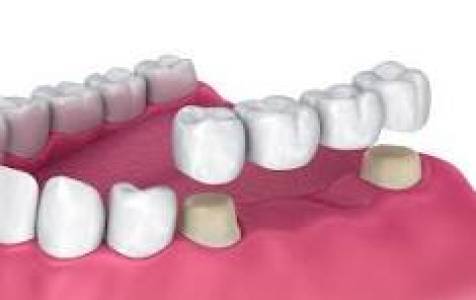
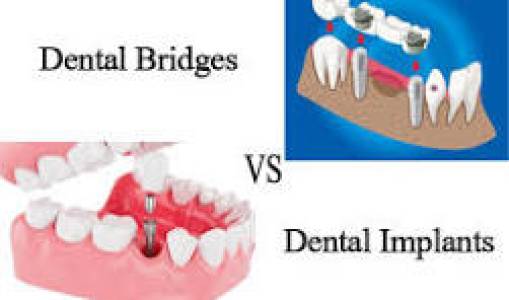
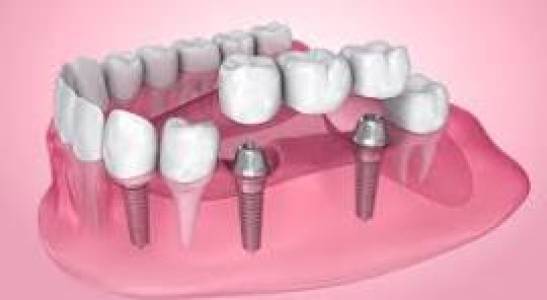
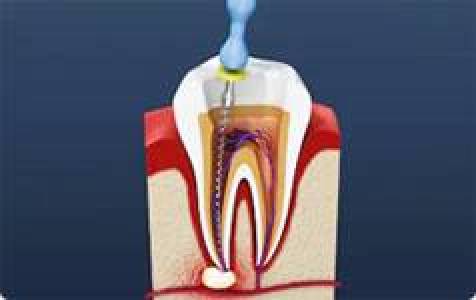
# Root Canal Therapy: Save Your Smile, End Your Pain ## Overview Don't let a throbbing tooth dictate your life. Root Canal Therapy, also known as endodontic treatment, is a highly effective and common dental procedure designed to alleviate severe tooth pain, eliminate infection, and save a tooth that might otherwise need extraction. By treating the infected or inflamed pulp inside your tooth, we help preserve your natural smile, chewing ability, and overall oral health. This procedure targets the root cause of discomfort, allowing you to return to a pain-free life and maintain your natural teeth for years to come. --- ## Key Features & Benefits * **Exceptional Pain Relief:** Effectively eliminates the debilitating pain and discomfort caused by an infected or inflamed tooth pulp. * **Tooth Preservation:** Saves your natural tooth, preventing the need for extraction and the subsequent complications (e.g., bone loss, shifting teeth, implant/bridge costs). * **Infection Eradication:** Thoroughly removes bacteria and infected tissue from the root canal system, preventing the spread of infection to other teeth or parts of the body. * **Maintains Oral Health:** Preserves the integrity of your dental arch, preventing adjacent teeth from shifting and maintaining your natural bite. * **Long-Lasting Solution:** With proper oral hygiene and a final restoration (often a crown), a treated tooth can last a lifetime. * **Natural Appearance:** By saving your natural tooth, you maintain your original smile without the need for artificial replacements. * **Improved Functionality:** Restores your ability to chew, speak, and bite without discomfort or sensitivity. --- ## Who Needs Root Canal Therapy? (Indications) You might be a candidate for root canal therapy if you experience any of the following symptoms: * **Persistent Tooth Pain:** Ranging from mild sensitivity to severe, throbbing pain, especially when chewing or applying pressure. * **Prolonged Sensitivity:** Sensitivity to hot or cold temperatures that lingers even after the source of the temperature is removed. * **Swelling and Tenderness:** Swelling in the gums around the affected tooth, or tenderness when touching the tooth or surrounding gum. * **Pimple-Like Bump (Abscess):** A small, pimple-like lesion on the gums near the infected tooth, indicating a draining abscess. * **Tooth Discoloration:** Darkening or discoloration of the tooth, often a sign of nerve damage. * **Deep Decay or Trauma:** A large cavity that has reached the pulp, or a tooth that has sustained a fracture or injury causing pulp damage. --- ## What to Expect: The Procedure Explained Root canal therapy is typically performed in one or two appointments, depending on the complexity of the case and the extent of the infection. ### Step 1: Diagnosis & Anesthesia * **Diagnosis:** X-rays and clinical examination confirm the need for treatment. * **Numbing:** The affected tooth and surrounding area are thoroughly numbed with local anesthetic, ensuring a pain-free experience during the procedure. ### Step 2: Access Opening * A small opening is made in the crown of the tooth to access the pulp chamber and root canals. ### Step 3: Cleaning & Shaping * Tiny instruments are used to carefully remove the infected or inflamed pulp, nerve tissue, and bacteria from inside the tooth's root canals. * The canals are then shaped to be thoroughly cleaned and prepared for filling. * Antiseptic solutions are used to rinse and disinfect the internal structures. ### Step 4: Filling (Obturation) * Once cleaned and disinfected, the root canals are filled with a biocompatible, rubber-like material called gutta-percha. This material is sealed with an adhesive cement to prevent reinfection. ### Step 5: Temporary or Permanent Restoration * A temporary filling is placed in the access opening to protect the tooth until a permanent restoration can be placed. * In some cases, a permanent filling might be placed immediately. ### Step 6: Final Restoration (Crown) * In most cases, a crown is recommended for a root canal-treated tooth. This is crucial as a root-canaled tooth can become brittle and prone to fracture. The crown provides strength, protection, and restores the tooth's natural appearance and function. This final step is usually completed in a separate appointment. --- ## Post-Procedure Care & Recovery * **Avoid Chewing:** Refrain from chewing or biting on the treated tooth until it receives its final restoration (e.g., crown) to prevent damage. * **Oral Hygiene:** Continue your regular brushing and flossing routine. * **Mild Discomfort:** It's normal to experience some mild sensitivity or discomfort for a few days, which can be managed with over-the-counter pain relievers. * **Follow-Up:** Attend all scheduled follow-up appointments, especially for the placement of your permanent crown or filling. * **Report Concerns:** Contact your dentist immediately if you experience severe pain, swelling, or loss of your temporary filling. --- ## Potential Alternatives While root canal therapy is highly effective for saving a tooth, the primary alternative is tooth extraction. If a tooth is extracted, options for replacement include: * **Dental Implant:** A titanium post surgically placed into the jawbone, topped with a crown. * **Dental Bridge:** A prosthetic tooth or teeth anchored to adjacent natural teeth or implants. * **Partial Denture:** A removable appliance to replace missing teeth. Choosing root canal therapy typically offers the most conservative and beneficial approach, as it preserves your natural tooth structure. --- ## Don't Let Pain Rule Your Life – Take Action! If you are experiencing tooth pain, sensitivity, or any of the symptoms mentioned above, don't wait for the problem to worsen. Early diagnosis and treatment can prevent further complications and ensure the best outcome for your oral health. **Contact Us Today for a Comprehensive Consultation!** 📞 [Your Clinic Phone Number] 📧 [Your Clinic Email Address] 🌐 [Your Clinic Website] --- ### Important Disclaimer *This product description is for informational purposes only and does not constitute medical advice. The decision to undergo Root Canal Therapy should be made in consultation with a qualified dental professional who can assess your specific condition and recommend the most appropriate course of treatment. Individual results may vary.*