Description
Root Canal Therapy: Save Your Smile, Relieve Your Pain
Preserve Your Natural Tooth with Advanced Endodontic Care
A severe toothache can be debilitating, often signaling an infection or inflammation deep within the tooth's pulp. At [Your Clinic Name/Practice Name], we offer Root Canal Therapy (Endodontics) – a highly effective and modern procedure designed to alleviate pain, eliminate infection, and save a damaged natural tooth from extraction. With advanced techniques and anesthesia, root canal therapy is often as comfortable as a routine filling, restoring your oral health and preserving your beautiful smile.
What is Root Canal Therapy?
Root Canal Therapy is a specialized dental procedure that treats infection or inflammation of the dental pulp. The pulp is the soft tissue inside your tooth that contains nerves, blood vessels, and connective tissue. When this pulp becomes infected or inflamed due to deep decay, repeated dental procedures, a crack or chip in the tooth, or trauma, it can cause severe pain and lead to an abscess if left untreated.
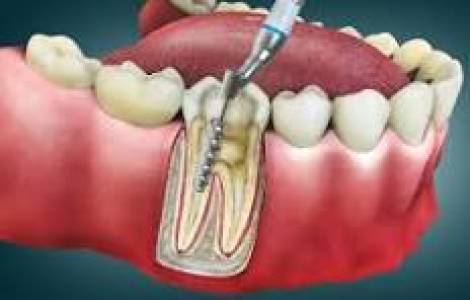
During a root canal, the infected or inflamed pulp is carefully removed, the inside of the tooth is thoroughly cleaned and disinfected, and then filled and sealed to prevent further infection. This process allows you to keep your natural tooth, which is always the best option for maintaining oral function and aesthetics.
Key Benefits of Root Canal Therapy
- Rapid Pain Relief: Eliminates the excruciating pain caused by infected or inflamed tooth pulp.
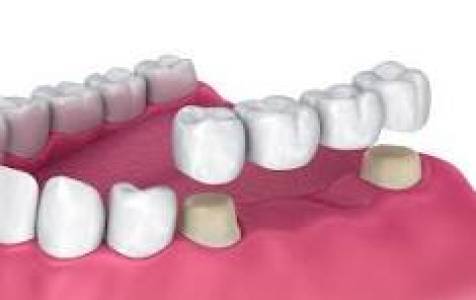
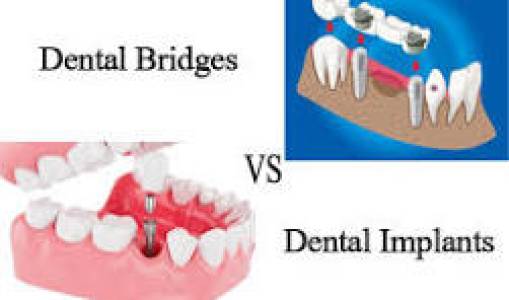
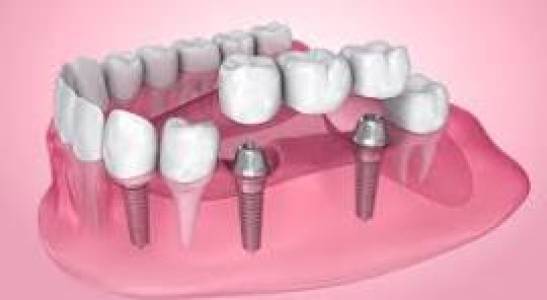
- Tooth Preservation: Saves your natural tooth, avoiding the need for costly bridges, implants, or removable dentures.
- Prevents Infection Spread: Stops bacteria from spreading to other teeth, gums, and potentially the jawbone or other parts of the body.
- Restores Oral Health & Function: Returns your tooth to a healthy, functional state, allowing you to chew and speak normally.
- Maintains Natural Appearance: Keeps your smile intact without gaps from missing teeth.
- Cost-Effective Long-Term: Often more economical than extraction followed by a prosthetic replacement.
When Is Root Canal Therapy Recommended?
You might be a candidate for root canal therapy if you experience any of the following symptoms:
- Persistent or Severe Toothache: Especially when chewing or applying pressure.
- Prolonged Sensitivity: To hot or cold temperatures, even after the stimulus is removed.
- Swelling and Tenderness: In the surrounding gums or face.
- A Small, Pimple-like Bump on the Gums: This could indicate an abscess (a fistula).
- Discoloration or Darkening of the Tooth: Signifying pulp damage.
- Deep Decay: That has reached the pulp chamber.
- A Cracked or Chipped Tooth: That has exposed the pulp.
The Procedure: What to Expect
Our root canal procedure is typically completed in one or two appointments and involves the following steps, performed with utmost precision and patient comfort in mind:
- Diagnosis & Anesthesia:
- A thorough examination, including digital X-rays, is performed to confirm the diagnosis.
- The area around the affected tooth is thoroughly numbed with local anesthesia to ensure a pain-free experience.
- Access Opening:
- A small opening is created in the crown of the tooth to access the pulp chamber and root canals.
- Pulp Removal & Cleaning:
- The infected or inflamed pulp is carefully removed from the pulp chamber and root canals using specialized, fine instruments.
- The root canals are then meticulously cleaned, shaped, and disinfected with antiseptic solutions to eliminate bacteria.
- Filling & Sealing:
- Once cleaned and dried, the root canals are filled with a biocompatible, rubber-like material called gutta-percha.
- A special adhesive cement is used to seal the canals completely, preventing future infection.
- Temporary Restoration:
- A temporary filling is placed in the access opening to protect the tooth until a permanent restoration can be applied.
- Permanent Restoration (Crown):
- In most cases, a dental crown is highly recommended after root canal therapy. This protects the treated tooth from fracture, restores its full strength, function, and natural appearance. This is typically done in a follow-up appointment.
Post-Treatment Care & Recovery
- Mild Discomfort: It's normal to experience some mild sensitivity or tenderness for a few days after the procedure, especially when chewing. This can be effectively managed with over-the-counter pain relievers.
- Avoid Chewing: Until your permanent crown or filling is placed, avoid chewing on the treated tooth to prevent potential damage.
- Oral Hygiene: Maintain excellent oral hygiene with regular brushing and flossing.
- Follow-Up: Attend your follow-up appointment to receive your permanent restoration (crown) as recommended by your dentist.
Why Choose [Your Clinic Name/Practice Name] for Your Root Canal?
- Experienced & Compassionate Dentists: Our team comprises highly skilled dentists with extensive experience in performing successful root canal therapies.
- State-of-the-Art Technology: We utilize advanced diagnostic tools (e.g., digital X-rays, intraoral cameras) and treatment techniques (e.g., rotary endodontics, dental microscopes) for precise and efficient procedures.
- Patient-Centered Comfort: Your comfort is our priority. We offer amenities and a calming environment to help ease any anxiety you may have about the procedure.
- Sterilization Excellence: We adhere to the highest standards of sterilization and infection control for your safety.
- Personalized Treatment Plans: We ensure each patient receives a tailored treatment plan based on their unique needs and oral health goals.
Don't Let Tooth Pain Control Your Life!
If you're experiencing symptoms that suggest the need for a root canal, don't delay. Early intervention can save your tooth, prevent further complications, and restore your comfort.
Contact [Your Clinic Name/Practice Name] today to schedule a consultation and take the first step towards a pain-free, healthy smile.
[Your Clinic Name] [Your Clinic Address] [Your Clinic Phone Number] [Your Clinic Website] [Your Clinic Email]