Description
Okay, this is an interesting challenge because "implants" is a very broad category (dental, orthopedic, breast, cochlear, drug delivery, etc.). To create a detailed product description that is generally applicable, I will focus on the qualities and benefits common to most medical implants, while also acknowledging the diverse applications.
I'll structure it to be adaptable, emphasizing safety, biocompatibility, and improved quality of life, which are universal goals for these devices.
Product Description: Advanced Medical Implants (General Category)
Restore. Reclaim. Revitalize. Experience Life Uninterrupted with Cutting-Edge Implant Technology.
Introduction
Medical implants are revolutionary devices meticulously designed to integrate with the human body, serving to replace, support, or enhance biological structures and functions. From restoring the joy of a healthy smile to enabling mobility or vital physiological processes, implants represent a pinnacle of biomedical engineering aimed at significantly improving patients' quality of life.
This description provides a general overview of the principles, features, and benefits associated with modern medical implants, acknowledging that specific applications will have their own detailed product specifications.
Key Features & Benefits
Our commitment to innovation and patient well-being is embedded in every implant, offering:
- Advanced Biocompatibility: Crafted from medical-grade materials (e.g., titanium alloys, medical-grade silicones, ceramics, specialized polymers) rigorously tested to ensure minimal immune response, allergic reactions, and rejection risks. This promotes seamless integration with surrounding tissues.
- Exceptional Durability & Longevity: Engineered for sustained performance within the demanding environment of the human body. Our implants are designed to withstand physiological stresses, offering long-term solutions that reduce the need for repeat procedures.
- Precision Design & Function: Meticulously engineered with anatomical precision to mimic natural form and function. Whether restoring articulation, sensory input, or structural support, the design aims for optimal integration and performance.
- Enhanced Quality of Life: By restoring lost function, alleviating chronic pain, improving aesthetics, or supporting critical bodily systems, implants empower individuals to regain independence, confidence, and participate more fully in daily activities.
- Rigorous Safety Standards: Manufactured under strict international quality control protocols (e.g., ISO, FDA, CE Mark). Each implant undergoes extensive testing for sterility, mechanical integrity, and material purity, ensuring patient safety is paramount.
- Minimally Invasive Options (where applicable): Advancements in surgical techniques and implant design often allow for less invasive placement procedures, leading to reduced recovery times, less post-operative discomfort, and improved cosmetic outcomes.
- Tailored Solutions (where applicable): Many implant types offer customization options or a range of sizes and configurations to best match individual patient anatomy and clinical needs, ensuring optimal fit and performance.
Common Applications (Illustrative Examples)
The field of medical implants is vast and continually expanding. Our technologies contribute to vital solutions across numerous specialties, including:
- Orthopedic Implants: Joint replacements (hips, knees, shoulders), spinal fusion devices, bone plates, screws, and rods for fracture fixation.
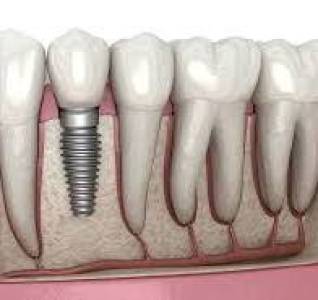
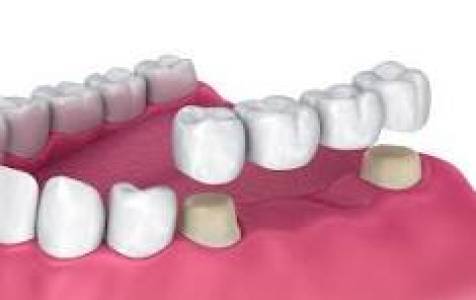
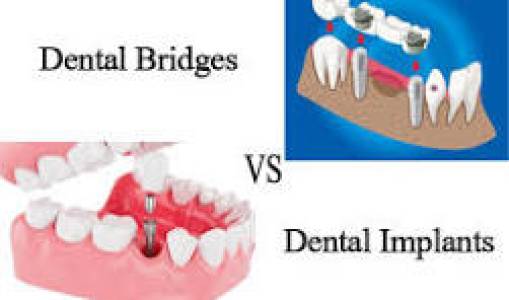
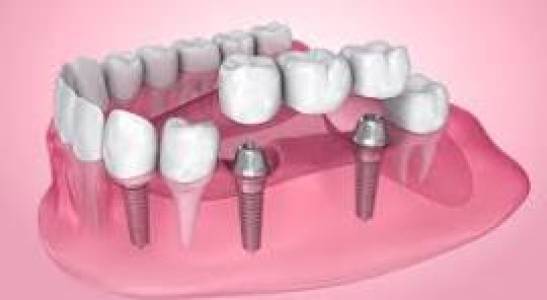
- Dental Implants: Replacement for tooth roots, supporting crowns, bridges, or dentures, restoring chewing function and aesthetic appearance.
- Cardiovascular Implants: Pacemakers, defibrillators, vascular stents, prosthetic heart valves, and ventricular assist devices.
- Neurological Implants: Cochlear implants for hearing restoration, deep brain stimulation (DBS) devices for neurological disorders, vagus nerve stimulators.
- Cosmetic & Reconstructive Implants: Breast implants (augmentation and reconstruction), tissue expanders, facial implants.
- Ocular Implants: Intraocular lenses (IOLs) for cataract surgery, glaucoma drainage devices.
- Drug Delivery Implants: Contraceptive implants, sustained-release drug implants for chronic conditions.
Advanced Technology & Materials
Our implants leverage the latest in biomedical science:
- Cutting-Edge Materials: Utilizing inert and bio-integrative materials such as medical-grade titanium and its alloys (known for osseointegration), high-strength ceramics (zirconia), durable medical-grade silicones, and advanced polymers (PEEK, UHMWPE).
- Surface Technologies: Innovative surface treatments and coatings (e.g., hydroxyapatite coatings for bone integration, antimicrobial coatings) enhance biocompatibility, reduce infection risk, and promote faster healing.
- Precision Manufacturing: Employing state-of-the-art manufacturing processes including Computer-Aided Design (CAD), Computer-Aided Manufacturing (CAM), and 3D printing for unparalleled precision, customization, and complex geometries.
The Procedure & Recovery
Implant placement is a surgical procedure performed by qualified medical professionals. Recovery times vary significantly depending on the type of implant, the patient's overall health, and the complexity of the surgery. Post-operative care typically involves managing discomfort, adhering to activity restrictions, and following rehabilitation protocols to ensure optimal healing and integration of the implant.
Who Benefits?
Individuals who may benefit from medical implants include:
- Patients suffering from debilitating pain or loss of function due due to injury, disease, or congenital conditions.
- Those seeking to restore aesthetic balance and confidence following trauma, surgery, or developmental issues.
- Individuals requiring long-term support for vital bodily functions or targeted drug delivery.
- Anyone whose quality of life can be significantly improved by replacing or augmenting a biological structure or function.
Important Considerations
- Individual Assessment: Not all implants are suitable for every individual. A thorough medical evaluation, including a review of medical history and diagnostic imaging, is essential to determine suitability.
- Surgical Risks: As with any surgical procedure, there are potential risks and complications, which will be discussed in detail by your healthcare provider.
- Maintenance: Depending on the implant type, periodic check-ups, lifestyle adjustments, and specific care routines may be required to ensure its longevity and effectiveness.
Important Disclaimer
This product description provides a general overview of medical implants. It is not a substitute for professional medical advice, diagnosis, or treatment. The suitability of any specific implant and the potential risks and benefits must be discussed in detail with a qualified healthcare professional.
Take the Next Step
If you or a loved one are considering a medical implant to improve health, function, or quality of life, we strongly encourage you to consult with your physician or a specialist to determine the best course of action for your individual needs.