Description
Dental Braces: Achieve Your Perfect Smile and Optimal Oral Health
Your Journey to a Straighter, Healthier Smile Starts Here.
Dental braces are time-tested, highly effective orthodontic appliances designed to gently and progressively realign your teeth and correct bite irregularities. More than just an aesthetic enhancement, properly aligned teeth contribute significantly to your overall oral health, making cleaning easier, preventing abnormal wear, and improving speech and chewing function. Embrace the journey to a confident, healthy smile that lasts a lifetime.
Key Features & How They Work:
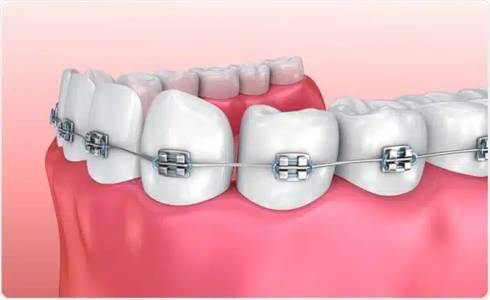
Dental braces consist of a precise system of components working in harmony to exert continuous, gentle pressure, gradually moving your teeth into their optimal positions.
- Fixed Appliance System: Unlike removable aligners, braces are bonded to your teeth, ensuring continuous, consistent pressure for predictable results.
- Brackets: Small, square-shaped attachments (available in metal, ceramic, or self-ligating designs) bonded to the front surface of each tooth. They act as "handles," guiding the teeth.
- Archwire: A thin, flexible wire threaded through the brackets. This is the primary force that moves your teeth into their desired positions. It is periodically adjusted or replaced to continue the movement.
- Ligatures/Elastics (Traditional Braces): Tiny rubber bands or specialized wires that hold the archwire securely within the brackets. These come in various colors, allowing for personalization.
- Orthodontic Bands (Optional): Metal rings often used on molars for robust anchorage or to attach additional appliances like headgear or expanders.
- Elastics (Rubber Bands): Used to apply inter-arch forces, correcting bite relationships between upper and lower jaws. These are typically worn by the patient and changed daily.
Are Dental Braces Right For You? Indications for Treatment:
Dental braces effectively treat a wide range of orthodontic issues in both children, teenagers, and adults. You may benefit from braces if you experience:
- Crowding: When there isn't enough space in the jaw for all teeth to erupt properly, leading to overlapping or rotated teeth.
- Spacing/Gaps: Excessive space between teeth, which can be aesthetic concerns and trap food.
- Overbite (Deep Bite): Upper front teeth significantly overlap the lower front teeth.
- Underbite: Lower front teeth extend forward beyond the upper front teeth.
- Crossbite: One or more upper teeth bite inside the lower teeth.
- Open Bite: A space remains between the upper and lower teeth when the jaws are closed, making it difficult to bite into certain foods.
- Misaligned Midline: The center of your upper front teeth doesn't align with the center of your lower front teeth.
- Impacted Teeth: Teeth that are unable to erupt into their proper position.
- General Aesthetic Improvement: For those desiring a straighter, more symmetrical smile.
Exploring Your Options: Types of Dental Braces:
Modern orthodontics offers various brace types, each with unique advantages, allowing for a personalized treatment plan.
1. Traditional Metal Braces:
- Description: The most common and recognizable type, made of high-grade stainless steel. Modern metal braces are smaller, less noticeable, and more comfortable than their predecessors.
- Key Features: Highly durable, extremely effective for complex cases, and often the most cost-effective option. You can customize them with colored ligatures.
- Ideal For: Patients of all ages, especially teenagers, where durability and affordability are key considerations.
2. Ceramic Braces:
- Description: Function identically to metal braces but use clear or tooth-colored ceramic brackets that blend in with your natural teeth, offering a more discreet appearance.
- Key Features: A significantly more aesthetic option, making them less visible than metal braces.
- Considerations: Can stain over time (especially with dark foods/drinks, though modern ceramics are more stain-resistant), may be slightly more fragile than metal, and potentially a bit more expensive.
3. Lingual Braces (Incognito/Hidden Braces):
- Description: Custom-made metal brackets that are bonded to the inside (tongue side) surface of your teeth, making them virtually invisible from the outside.
- Key Features: Completely discreet and aesthetically superior, as the entire appliance is hidden. Ideal for adults and professionals who want to hide their treatment.
- Considerations: Can be significantly more expensive, may cause initial speech difficulties or tongue irritation, and requires specialized orthodontists for placement and adjustments.
4. Self-Ligating Braces:
- Description: These can be metal or ceramic but feature a built-in clip, door, or slide mechanism to hold the archwire, eliminating the need for elastic ligatures.
- Key Features: May offer faster treatment times in some cases, potentially fewer adjustment appointments, and are often considered easier to clean due to the absence of elastic ties which can accumulate plaque.
- Ideal For: Patients seeking efficiency, potentially reduced discomfort, and an alternative to traditional ligatures.
Your Orthodontic Journey: What to Expect:
The path to a perfect smile with braces follows a well-established process:
- Initial Consultation: A comprehensive examination by an orthodontist, including digital scans, X-rays, and photos, to assess your oral health, jaw structure, and determine the best treatment plan.
- Treatment Planning: Your orthodontist will discuss the recommended brace type, estimated treatment duration, costs, and answer all your questions.
- Braces Placement: The brackets are bonded to your teeth, and the archwire is inserted. This appointment is painless and usually takes 1-2 hours.
- Regular Adjustments: You'll visit your orthodontist every 4-8 weeks for adjustments. This involves tightening or changing the wires, replacing ligatures, and monitoring your progress. You might experience mild soreness for a few days after adjustments.
- Braces Removal: Once your teeth are perfectly aligned and your bite is corrected, the braces are gently removed. This is a quick and comfortable procedure.
- Retention Phase: A crucial step! You'll be fitted with a retainer (removable or fixed) to ensure your teeth maintain their new positions. Wearing your retainer as instructed is vital to prevent relapse and preserve your beautiful new smile.
Beyond Aesthetics: The Transformative Benefits of Dental Braces:
While a beautiful smile is a primary outcome, the advantages of properly aligned teeth extend far beyond appearance.
- Enhanced Oral Health: Straighter teeth are easier to brush and floss, significantly reducing the risk of cavities, gum disease, and plaque buildup.
- Improved Function: Correcting bite issues can alleviate jaw pain (TMJ), improve chewing efficiency, and even enhance speech clarity.
- Prevention of Future Problems: Proper alignment can prevent abnormal wear and tear on tooth enamel, reduce stress on the jaw joints, and decrease the likelihood of tooth loss later in life.
- Boosted Self-Confidence: A beautiful, straight smile can dramatically improve self-esteem and positively impact social and professional interactions.
- Long-Term Investment: Orthodontic treatment is an investment in your health and well-being that yields lifelong benefits.
Caring for Your Braces:
Proper care is essential for successful treatment and maintaining oral hygiene.
- Oral Hygiene is Key: Brush thoroughly after every meal using a soft-bristled brush. Use interdental brushes, floss threaders, or a water flosser to clean around brackets and under wires.
- Dietary Adjustments: Avoid hard, sticky, or chewy foods (e.g., caramels, popcorn, hard nuts, crusty bread) that can damage brackets or wires. Cut harder fruits and vegetables into small pieces.
- Regular Check-ups: Continue with your general dental check-ups and professional cleanings as recommended by your general dentist.
- Wax for Comfort: Orthodontic wax can be used to alleviate irritation or sore spots from brackets or wires, especially during the initial stages.
- Report Issues: Contact your orthodontist immediately if you experience a broken bracket, a poking wire, or any significant discomfort.
Why Invest in Dental Braces?
Dental braces represent a tried-and-true solution for achieving precise, lasting orthodontic correction. With continuous advancements in materials and techniques, treatment is more comfortable, efficient, and discreet than ever before, offering tailored solutions for nearly every alignment concern.
Ready to Transform Your Smile?
Don't wait to achieve the healthy, confident smile you've always dreamed of. Contact us today to schedule your comprehensive orthodontic consultation and discover how dental braces can benefit you!
Disclaimer: Individual treatment times and results may vary. A thorough consultation with a qualified orthodontist is essential to determine the most suitable treatment plan for your specific needs.