Description
Here's a detailed product description for Orthodontic Braces, formatted in Markdown:
Orthodontic Braces: Achieve Your Straighter, Healthier Smile
Unlock Your Confident Future with Precision Orthodontics
Orthodontic braces are a time-tested and highly effective solution for correcting a wide range of dental and jaw alignment issues. More than just an aesthetic enhancement, braces provide a foundational path to improved oral health, comfortable chewing, clearer speech, and a boost in self-confidence.
What Are Orthodontic Braces?
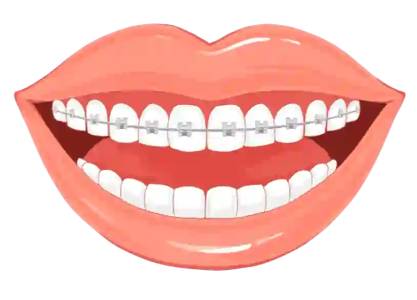
Orthodontic braces are dental devices used to straighten teeth and correct bite irregularities (malocclusions). They work by applying continuous, gentle pressure over a period of time to gradually move teeth into their optimal positions. This intricate system utilizes brackets, archwires, and ligatures to guide teeth along a prescribed path, resulting in a beautifully aligned and functional smile.
How Do Braces Work?
- Brackets: Small, square-shaped attachments, typically made of metal or ceramic, are bonded to the front surface of each tooth.
- Archwire: A thin, flexible metal wire is threaded through the brackets. This wire is carefully shaped by your orthodontist to apply specific forces.
- Ligatures/Elastics: Small elastic bands or thin wires secure the archwire to the brackets, transmitting the force from the wire to the teeth.
- Adjustments: During regular appointments (usually every 4-8 weeks), your orthodontist will adjust the archwire, replace ligatures, and make other modifications to continue the teeth's movement according to your personalized treatment plan.
Key Benefits of Orthodontic Braces
Investing in orthodontic treatment with braces offers a multitude of advantages:
- Enhanced Aesthetics & Confidence: Straight teeth create a more appealing smile, boosting self-esteem and confidence in social and professional settings.
- Improved Oral Hygiene: Properly aligned teeth are easier to brush and floss, significantly reducing the risk of plaque buildup, cavities, and gum disease.
- Optimal Bite Function: Correcting malocclusions (like overbites, underbites, crossbites) ensures teeth meet properly, improving chewing efficiency and reducing wear on tooth surfaces.
- Reduced Jaw Pain: A balanced bite can alleviate stress on the temporomandibular joints (TMJ), potentially reducing headaches, jaw pain, and other related discomforts.
- Clearer Speech: Misaligned teeth or jaw positions can sometimes affect speech patterns. Braces can help correct these issues, leading to improved articulation.
- Long-Term Dental Health: By preventing excessive wear, gum problems, and other issues associated with crooked teeth, braces contribute to the longevity and health of your natural teeth.
Types of Orthodontic Braces
We offer a range of brace options tailored to meet individual needs and preferences:
- 1. Traditional Metal Braces:
- Description: The most common and recognizable type, made from high-grade stainless steel.
- Features: Extremely durable, highly effective for complex cases, and often the most cost-effective option. Modern metal braces are smaller and more comfortable than ever before.
- Customization: Available with colored elastic ties, popular with younger patients to express their personality.
- 2. Ceramic Braces:
- Description: Function like metal braces but use clear or tooth-colored ceramic brackets.
- Features: Visually less noticeable than metal braces, making them a popular choice for adults and teenagers concerned about aesthetics.
- Note: While discreet, ceramic braces can be slightly more fragile and may stain if proper oral hygiene is not maintained, or with heavy consumption of staining foods/drinks.
- 3. Self-Ligating Braces (Metal or Ceramic):
- Description: Utilize a specialized clip or door mechanism built into the bracket to hold the archwire, eliminating the need for elastic ligatures.
- Features: Often allows for fewer and quicker adjustment appointments, potentially less friction, and can be easier to keep clean as there are no elastic ties to accumulate plaque.
- 4. Lingual Braces (Behind the Teeth Braces):
- Description: Custom-made brackets are placed on the inside (lingual side) of your teeth, making them virtually invisible from the outside.
- Features: The ultimate in discreet treatment. Ideal for those who want to straighten their teeth without anyone knowing they have braces.
- Considerations: Can sometimes affect speech initially and may be more challenging to clean.
The Orthodontic Journey: What to Expect
- Initial Consultation: A thorough examination, X-rays, and digital scans help your orthodontist assess your bite and develop a personalized treatment plan.
- Treatment Planning: We'll discuss your options, expected duration, costs, and answer all your questions.
- Brace Placement: Brackets are carefully bonded to your teeth, and the archwire is placed. This is a painless procedure.
- Regular Adjustments: Scheduled visits (typically every 4-8 weeks) allow your orthodontist to make necessary adjustments to guide your teeth.
- Brace Removal: Once your treatment goals are achieved, your braces are gently removed.
- Retention Phase: A crucial step! Retainers (removable or fixed) are provided to maintain your new smile and prevent teeth from shifting back.
Caring for Your Braces
Maintaining excellent oral hygiene is paramount during orthodontic treatment:
- Brush Regularly: After every meal and before bed, using an orthodontic toothbrush and fluoride toothpaste.
- Floss Daily: Special floss threaders or orthodontic floss can help navigate around wires and brackets.
- Avoid Certain Foods: Steer clear of sticky, hard, or chewy foods that can damage brackets or wires (e.g., gum, caramel, hard candies, popcorn, whole apples/carrots unless cut into small pieces).
- Regular Dental Check-ups: Continue your routine dental cleanings as recommended by your general dentist.
- Wax for Comfort: Orthodontic wax can be used to cover any brackets or wires that cause irritation to your lips or cheeks.
Who Can Benefit from Orthodontic Braces?
Orthodontic braces are suitable for:
- Children: To guide jaw growth, correct habits, and prepare for permanent teeth.
- Teenagers: The most common age group, as permanent teeth are in place and jawbones are still developing.
- Adults: It's never too late to achieve a straighter, healthier smile. Advances in orthodontics make treatment comfortable and discreet for adults of all ages.
Ready to Transform Your Smile?
Don't let crooked teeth or bite issues hold you back. Orthodontic braces offer a proven path to a beautiful, healthy, and confident smile that lasts a lifetime.
Contact us today to schedule your comprehensive consultation and discover how orthodontic braces can benefit you!
(Disclaimer: Individual results may vary. A professional orthodontic consultation is required to determine the most suitable treatment plan for your specific needs.)