Description
Here's a detailed product description for Crowns & Bridges, formatted in Markdown:
Crowns & Bridges: Restore Your Smile with Strength & Beauty
Transform Your Oral Health and Aesthetics
If you've experienced tooth damage, severe decay, or missing teeth, you know the impact it can have on your ability to eat, speak, and smile confidently. At [Your Clinic Name], we offer high-quality dental crowns and dental bridges – two highly effective restorative dental solutions designed to restore the strength, function, and aesthetics of your smile.
What is a Dental Crown?
A dental crown, often referred to as a "cap," is a custom-made, tooth-shaped restoration that completely covers the entire visible portion of a damaged tooth above the gum line. Like a custom-fitted helmet, it encases the entire surface of the tooth, restoring its original shape, size, strength, and appearance.
When is a Dental Crown Needed?
- To protect a weak tooth from fracturing or to hold parts of a cracked tooth together.
- To restore an already broken tooth or a tooth that has been severely worn down.
- To cover and support a tooth with a large filling when there isn't much tooth structure remaining.
- To cover a dental implant.
- To cover a discolored or poorly shaped tooth for cosmetic improvement.
- After a root canal procedure to protect the treated tooth, as it can become more brittle.
What is a Dental Bridge?
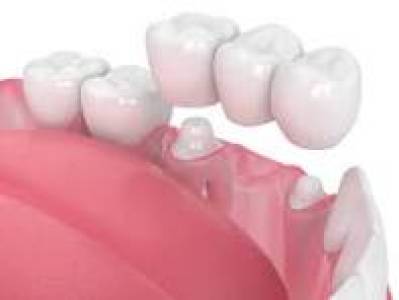
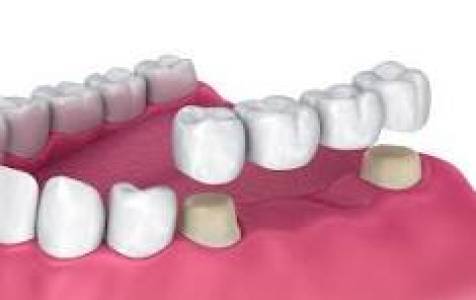
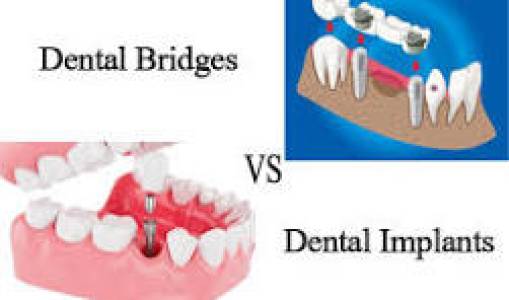
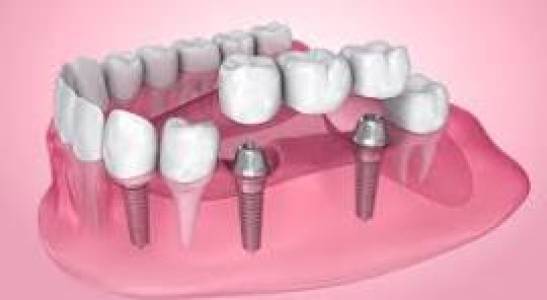
A dental bridge is a fixed prosthetic device used to replace one or more missing teeth. It literally "bridges" the gap created by missing teeth, preventing surrounding teeth from shifting and helping to maintain your facial shape. A bridge consists of one or more artificial teeth (called pontics) which are held in place by dental crowns placed on the natural teeth or dental implants on either side of the gap.
When is a Dental Bridge Needed?
- To replace one or more missing teeth.
- To maintain your facial shape and prevent changes in your bite.
- To prevent remaining teeth from drifting out of position into the empty space.
- To restore your ability to chew and speak properly.
- To upgrade from a removable partial denture to a fixed solution.
Materials Used for Crowns & Bridges
At [Your Clinic Name], we utilize a range of advanced materials to ensure optimal durability, biocompatibility, and aesthetic appeal for your crowns and bridges:
- Porcelain/Ceramic: The most popular choice for crowns, especially on front teeth, due to their ability to mimic the natural translucency and color of real teeth.
- Porcelain Fused to Metal (PFM): Offers a strong bond between the porcelain and a metal substructure, providing both strength and good aesthetics, suitable for both front and back teeth.
- Zirconia: An extremely durable and strong ceramic material, often used for back teeth where biting forces are higher. It's also highly biocompatible and can be color-matched to your existing teeth.
- E-max (Lithium Disilicate): A high-strength, all-ceramic material known for its superior aesthetics and translucency, making it ideal for crowns in the smile zone.
- Gold Alloys: Offer excellent strength, durability, and are gentle on opposing teeth. While less common aesthetically, they are still a viable option for some patients, particularly for molars.
Key Benefits of Crowns & Bridges
Both crowns and bridges offer significant advantages:
- Restored Function: Regain your ability to chew, bite, and speak comfortably and effectively.
- Enhanced Aesthetics: Achieve a natural-looking, symmetrical smile, boosting your confidence.
- Improved Oral Health: Prevent further decay, protect vulnerable teeth, and maintain proper bite alignment.
- Long-Lasting Solution: With proper care, crowns and bridges can last for many years, even decades.
- Prevention of Shifting Teeth: Bridges specifically prevent adjacent teeth from drifting into the gap, which can cause bite problems and jaw pain.
- Durability and Strength: Designed to withstand daily chewing forces.
The Treatment Process
The placement of a dental crown or bridge typically involves two appointments:
Appointment 1: Preparation & Impression
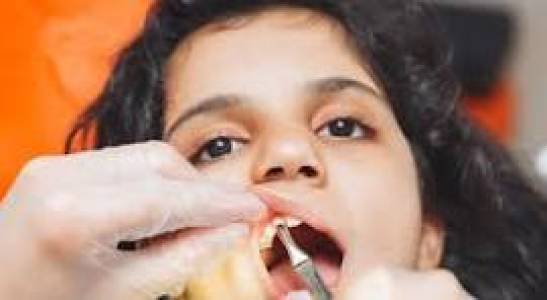
- Consultation & Examination: Your dentist will thoroughly examine your tooth/teeth, take X-rays, and discuss the best treatment plan.
- Tooth Preparation: The tooth (or teeth for a bridge) will be gently reshaped to create adequate space for the crown or bridge.
- Impressions/Digital Scans: Precise impressions or digital scans of your teeth are taken. These models are sent to a dental lab where your custom crown or bridge will be fabricated.
- Shade Matching: The dentist will work with you to select the perfect shade to match your existing teeth.
- Temporary Restoration: A temporary crown or bridge will be placed to protect the prepared tooth/teeth while your permanent restoration is being made.
Appointment 2: Permanent Placement
- Removal of Temporary: The temporary crown or bridge is carefully removed.
- Trial Fitting: Your new custom-made crown or bridge is placed and checked for fit, bite, and aesthetics. Any necessary minor adjustments are made.
- Final Cementation: Once you and your dentist are completely satisfied, the permanent crown or bridge is securely bonded or cemented onto your tooth/teeth.
- Final Polish & Instructions: The restoration is polished, and you'll receive detailed instructions on how to care for your new crown or bridge.
Care & Maintenance for Your Crowns & Bridges
With proper care, your dental crowns and bridges can last for many years:
- Maintain Excellent Oral Hygiene: Brush twice daily and floss at least once a day, paying special attention to the gum line around your restoration.
- Use an Antiseptic Mouthwash: Can help keep gums healthy around the restoration.
- Avoid Hard & Sticky Foods: Limit chewing on extremely hard foods (like ice or hard candies) and sticky foods (like caramels) that could potentially damage your crown or dislodge a bridge.
- Regular Dental Check-ups: Continue with your routine dental examinations and professional cleanings every six months to monitor the health of your restoration and overall oral health.
- Consider a Night Guard: If you grind or clench your teeth (bruxism), your dentist may recommend a custom night guard to protect your restorations.
Why Choose [Your Clinic Name] for Your Crowns & Bridges?
At [Your Clinic Name], we are committed to providing you with dental care that is both high-quality and comfortable.
- Experienced Team: Our dentists have extensive experience in restorative dentistry, ensuring precise and aesthetic results.
- State-of-the-Art Technology: We utilize advanced diagnostic and treatment tools for accurate preparation and placement.
- Customized Solutions: Every crown and bridge is custom-designed to perfectly fit your unique smile and bite.
- Patient-Centered Care: Your comfort and satisfaction are our top priorities throughout the entire process.
- Premium Materials: We select only the highest quality, durable, and natural-looking materials for your restorations.
Ready to Restore Your Smile?
Don't let damaged or missing teeth impact your quality of life. A beautiful, strong, and functional smile is within reach.
Contact [Your Clinic Name] today to schedule a consultation and find out if dental crowns or bridges are the right solution for you!
📞 Call us at: [Phone Number] 🌐 Visit our website: [Website Link] 📍 Find us at: [Your Clinic Address]