Description
Braces: Your Path to a Perfectly Aligned Smile
Straighten. Align. Confidently Shine.
Braces are a time-tested and highly effective orthodontic solution designed to correct a wide range of dental and jaw alignment issues. More than just an aesthetic enhancement, braces play a crucial role in improving oral health, function, and overall well-being. If you're seeking a durable, precise, and proven method to achieve a beautiful, healthy smile, braces offer a comprehensive solution.
What Are Braces?
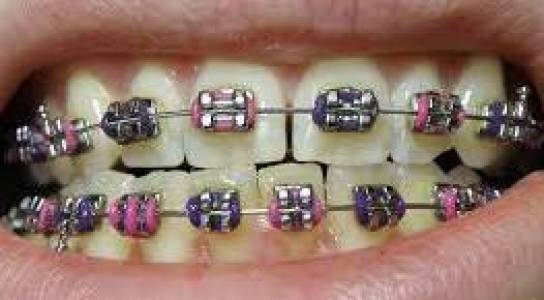
Braces are custom-designed orthodontic appliances that apply continuous, gentle pressure to gradually shift teeth into their correct positions. They consist of several key components working in harmony:
- Brackets: Small, square pieces (metal, ceramic, or clear) bonded to the front surface of each tooth. They act as handles for the archwire.
- Archwire: A thin, flexible wire that connects all the brackets. This wire is the primary force provider, guiding the teeth along the desired path.
- Ligatures/Elastics: Small rubber bands or thin wires that hold the archwire into the bracket slot. (Some modern braces are "self-ligating" and don't require these).
- Bands: Metal rings often used on molars to provide strong anchor points for the archwire.
- Elastics/Rubber Bands (Interarch): Used between upper and lower jaws to correct bite alignment.
Key Benefits of Braces
Investing in braces offers a multitude of advantages that extend beyond just a straight smile:
Aesthetic Enhancement
- Beautiful, Straight Smile: Achieve the symmetrical, aligned smile you've always dreamed of.
- Improved Facial Symmetry: Correcting bite issues can positively impact the overall balance of your facial features.
- Enhanced Confidence: A radiant smile boosts self-esteem in social and professional settings.
Oral Health & Function
- Easier Cleaning: Properly aligned teeth are simpler to brush and floss, significantly reducing plaque buildup, cavities, and gum disease risk.
- Corrected Bite: Resolve issues like overbites, underbites, crossbites, and open bites for improved chewing and speech.
- Reduced Wear & Tear: Prevent abnormal wear patterns on tooth enamel caused by misaligned teeth or improper bite.
- Alleviated Jaw Pain: Correcting bite problems can reduce stress on the temporomandibular joints (TMJ), potentially easing headaches and jaw discomfort.
- Improved Digestion: Better chewing efficiency can aid in digestion.
Long-Term Value
- Stable Results: With proper retention, the results of orthodontic treatment can last a lifetime.
- Investment in Health: A healthy bite and aligned teeth contribute to lifelong oral and overall health.
Who Can Benefit from Braces? (Common Indications)
Braces are effective for a wide range of orthodontic concerns in children, teenagers, and adults, including:
- Crowding: Not enough space for teeth, causing overlapping.
- Spacing: Gaps between teeth.
- Overbite: Upper front teeth significantly overlap the lower front teeth.
- Underbite: Lower front teeth extend beyond the upper front teeth.
- Crossbite: Upper teeth bite inside the lower teeth.
- Open Bite: Upper and lower front teeth don't meet when the mouth is closed.
- Misaligned Jaw: Issues with the alignment of the upper and lower jaws.
- Impacted Teeth: Teeth that are stuck and unable to emerge properly.
Types of Braces Available
Modern orthodontics offers various brace options, each with unique characteristics to suit different needs and preferences:
1. Traditional Metal Braces
- Description: The most common type, made of high-grade stainless steel.
- Features: Durable, highly effective for complex cases, smaller and more comfortable than ever before.
- Advantages: Most cost-effective, very strong, can be customized with colored elastics.
- Considerations: Most noticeable option.
2. Ceramic Braces
- Description: Similar in size and shape to metal braces, but made of clear or tooth-colored ceramic material.
- Features: Blends in with teeth, less noticeable than metal.
- Advantages: Aesthetically pleasing alternative to metal.
- Considerations: Can stain easily if not cared for, slightly larger than metal brackets, may be more fragile.
3. Lingual Braces
- Description: Custom-made brackets that are bonded to the inside surface of the teeth.
- Features: Completely invisible from the outside.
- Advantages: Maximum aesthetics, truly hidden treatment.
- Considerations: Generally more expensive, can be more challenging to clean, may initially affect speech more, requires a specialized orthodontist.
4. Self-Ligating Braces
- Description: Available in both metal and ceramic, these braces use a specialized clip or door mechanism to hold the archwire, eliminating the need for elastic ties.
- Features: May result in fewer adjustment appointments, potentially faster treatment, easier to clean.
- Advantages: Often considered more comfortable, potentially quicker overall treatment time for some cases.
- Considerations: Can be slightly more expensive than traditional tied braces.
5. Clear Aligners (e.g., Invisalign®) - An Alternative to Braces
- Description: While not "braces" in the traditional sense, clear aligners are a popular alternative using a series of custom-made, virtually invisible, removable plastic trays.
- Features: Nearly invisible, removable for eating and cleaning.
- Advantages: Excellent aesthetics, no dietary restrictions (when removed), easier oral hygiene.
- Considerations: Requires high patient compliance (must be worn 20-22 hours/day), not suitable for all complex cases.
The Braces Treatment Process (General Steps)
- Initial Consultation: Your orthodontist will assess your oral health, discuss your goals, and recommend the best treatment options.
- Diagnostic Records: This typically includes X-rays, digital scans or impressions, and photos of your teeth and face to create a precise treatment plan.
- Treatment Planning: Your orthodontist designs a personalized plan outlining the exact movements needed for your teeth and jaw.
- Braces Placement: Brackets are carefully bonded to your teeth, and the archwire is threaded through them. This appointment is generally painless.
- Regular Adjustments: You'll visit your orthodontist every 4-8 weeks for adjustments. The archwire may be changed, tightened, or bent, and elastics might be added to continue moving your teeth.
- Braces Removal: Once your teeth have reached their ideal positions, the braces are gently removed.
- Retention Phase: This crucial step involves wearing a retainer (removable or fixed) to prevent your teeth from shifting back to their original positions. This phase is essential for long-term stability.
Living with Braces: Care and Considerations
- Oral Hygiene: Meticulous brushing and flossing are vital. Special orthodontic toothbrushes, interdental brushes, and floss threaders can help clean around brackets and wires.
- Dietary Adjustments: Avoid hard, sticky, crunchy, or chewy foods (e.g., caramels, popcorn, hard candies, whole apples/carrots) that can damage brackets or wires.
- Discomfort: It's normal to experience some soreness or tenderness after placement and adjustments. Over-the-counter pain relievers can help.
- Wax for Irritation: Orthodontic wax can be applied to brackets or wires that irritate the cheeks or lips.
- Emergency Care: Contact your orthodontist immediately if a wire breaks, a bracket comes loose, or you experience significant pain.
Ready to Transform Your Smile?
Braces are a powerful and effective tool for achieving a healthy, beautiful, and confident smile. With advancements in orthodontic technology, there's a solution tailored to virtually every need and lifestyle.
[Contact Us Today for a Consultation!] Schedule an appointment with a qualified orthodontist to discuss which type of braces is right for you and embark on your journey to a perfectly aligned smile.
Disclaimer: The information provided is for general understanding and informational purposes only, and does not constitute medical advice. Always consult with a qualified orthodontist or dental professional for diagnosis and treatment recommendations tailored to your specific needs.