Description
Root Canal Treatment (RCT): Gentle Care for a Healthy, Pain-Free Tooth
What is Root Canal Treatment (RCT)?
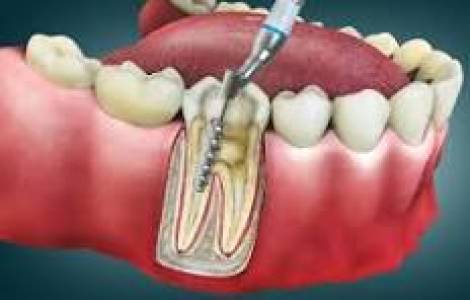
Root Canal Treatment, often referred to as RCT, is a specialized dental procedure designed to save a tooth that has become severely infected or inflamed due to deep decay, repeated dental procedures, cracks, or trauma. At its core, RCT involves carefully removing the infected or damaged pulp (the soft tissue inside your tooth containing nerves and blood vessels), cleaning and shaping the inside of the root canal system, and then filling and sealing it.
Often misunderstood, modern root canal treatment is a highly effective and comfortable procedure that can relieve pain and restore your tooth to its full function, preventing the need for extraction.
Why is a Root Canal Needed?
The pulp inside your tooth can become inflamed or infected when bacteria from decay or trauma reach it. If left untreated, this infection can lead to:
- Severe pain: Ranging from mild sensitivity to excruciating, persistent throbbing.
- Abscess formation: A pus-filled pocket at the end of the tooth's root.
- Swelling: In the face, neck, or head.
- Bone loss: Around the tip of the root.
- Systemic health problems: If the infection spreads.
- Loss of the tooth: Requiring extraction and subsequent replacement.
RCT addresses these issues by eliminating the infection and protecting the tooth from future microbial invasion.
Key Features & The RCT Process:
Our root canal treatment protocol is designed for precision, comfort, and long-term success. While the specific steps may vary slightly depending on your tooth's condition, the general process includes:
- Comprehensive Diagnosis:
- Clinical Examination: Your dentist will examine your tooth, gums, and surrounding tissues.
- Digital X-rays: High-resolution images help us visualize the extent of the infection, the anatomy of your root canals, and surrounding bone.
- Pulp Vitality Tests: To assess the health of the tooth's nerve.
- Local Anesthesia:
- Before starting, the area around the affected tooth will be thoroughly numbed to ensure a pain-free experience throughout the procedure. Sedation options may also be available for anxious patients.
- Isolation:
- A small protective sheet called a "dental dam" is placed around the tooth. This keeps the tooth dry, free from saliva, and isolated from bacteria during treatment, enhancing safety and sterility.
- Access Opening:
- A small opening is created through the crown of the tooth, allowing access to the pulp chamber and root canals.
- Pulp Removal & Cleaning:
- Using specialized, fine instruments (often rotary files), the infected or inflamed pulp tissue is carefully removed from the pulp chamber and the intricate root canal system.
- The canals are then meticulously cleaned, shaped, and disinfected using irrigating solutions to eliminate bacteria and debris.
- Filling & Sealing:
- Once the canals are thoroughly cleaned and shaped, they are filled with a biocompatible, rubber-like material called gutta-percha, combined with a special adhesive sealer. This step completely fills the canal system, preventing reinfection.
- Temporary or Permanent Restoration:
- A temporary filling is placed in the access opening to protect the tooth until your next appointment.
- In most cases, a permanent crown is recommended after RCT. This protects the treated tooth from fracture and restores its full strength and aesthetics, as root-canal-treated teeth can become more brittle over time.
Benefits of Root Canal Treatment:
- Eliminates Pain: Provides immediate and lasting relief from severe toothache and sensitivity.
- Saves Your Natural Tooth: Preserves your own tooth, maintaining your natural bite and smile, avoiding the need for extraction and costly replacements like implants or bridges.
- Prevents Infection Spread: Stops the spread of infection to adjacent teeth, gums, and other parts of your body.
- Restores Chewing Function: Allows you to chew comfortably and effectively again.
- Maintains Aesthetics: Your treated tooth, especially with a proper restoration like a crown, will look and function just like your other natural teeth.
- Cost-Effective: Often more economical in the long run than extraction followed by a dental implant or bridge.
- High Success Rate: With modern techniques and proper care, RCT has a success rate of over 95%.
Who Needs Root Canal Treatment? (Common Symptoms)
You might need a root canal if you experience any of the following:
- Severe, persistent toothache: Especially when chewing or applying pressure.
- Prolonged sensitivity: To hot or cold temperatures, even after the source is removed.
- Pimple-like bump on the gums: A "fistula" or "gum boil" indicating an abscess.
- Swelling and tenderness: In the surrounding gums or face.
- Discoloration or darkening: Of the affected tooth.
- Tenderness to touch: Or percussion.
If you experience any of these symptoms, it's crucial to seek prompt dental evaluation.
Why Choose Our Clinic for Your Root Canal Treatment?
- Experienced Dental Professionals: Our team includes highly trained dentists with extensive experience in performing root canal treatments, utilizing the latest techniques and protocols.
- Advanced Technology: We leverage state-of-the-art equipment such as digital X-rays, rotary endodontic instruments, and sometimes surgical microscopes, for enhanced precision and efficiency.
- Patient-Centric Comfort: We prioritize your comfort and well-being. From gentle anesthesia to compassionate care, we strive to make your RCT experience as stress-free as possible. Sedation options are available upon request.
- Strict Sterilization Protocols: Your health and safety are paramount. We adhere to the highest standards of sterilization and infection control.
- Comprehensive Follow-Up Care: We provide clear instructions for post-treatment care and guide you through the process of restoring your tooth with a permanent crown, ensuring long-term success.
Frequently Asked Questions (FAQs)
Is root canal treatment painful?
Modern root canal treatment is typically performed with local anesthesia, making the procedure itself comfortable and pain-free. Most patients report feeling little to no discomfort, often comparing it to a routine filling. The treatment's primary goal is to relieve the pain caused by infection.
How long does a root canal take?
The duration can vary depending on the complexity of the tooth (e.g., molars have more canals than front teeth). A root canal can often be completed in one or two appointments, each lasting from 60 to 90 minutes.
What happens after a root canal?
After the root canal is completed, a temporary filling will be placed. It's crucial to return to your dentist for a permanent restoration, usually a dental crown, within a few weeks. This crown protects the treated tooth from fracture and restores its full function and appearance.
How much does a root canal cost?
The cost of a root canal varies based on the tooth's location (front teeth are generally less complex than molars), the severity of the infection, and additional procedures like a permanent crown. We will provide a detailed estimate during your consultation, and we work with many insurance providers.
How long does a root canal last?
With proper oral hygiene and regular dental check-ups, a root canal treated tooth can last for many years, even a lifetime. The long-term success also heavily depends on placing a proper permanent restoration (like a crown) on the tooth.
Don't Let Dental Pain Dictate Your Life!
If you are experiencing severe tooth pain, sensitivity, or any of the symptoms mentioned above, don't delay. Root Canal Treatment can alleviate your discomfort, save your natural tooth, and restore your healthy smile.
Contact us today to schedule a consultation and see if Root Canal Treatment is the right solution for you.
- Phone: [Your Clinic Phone Number]
- Email: [Your Clinic Email Address]
- Website: [Your Clinic Website]
- Address: [Your Clinic Address]
Disclaimer: The information provided in this product description is for general educational purposes only and does not constitute medical advice. Every patient's dental needs are unique. A thorough clinical examination and diagnosis by a qualified dental professional are essential to determine the most appropriate treatment plan for your specific condition.