Description
Here's a detailed product description for dental crowns and bridges, formatted in Markdown:
Dental Crowns & Bridges: Restore Your Smile, Function, and Confidence
Reclaim Your Healthy, Beautiful Smile
At [Your Clinic Name/Practice Name], we understand the impact that damaged or missing teeth can have on your confidence, oral health, and overall well-being. Dental crowns and bridges are two of the most effective, time-tested restorative solutions designed to strengthen, protect, and beautifully complete your smile. These custom-made prosthetics seamlessly blend with your natural teeth, restoring both aesthetics and crucial chewing function.
What is a Dental Crown?
A dental crown, often referred to as a "cap," is a custom-fabricated, tooth-shaped covering that is permanently cemented over a damaged or weakened tooth. It encases the entire visible portion of the tooth, restoring its original shape, size, strength, and appearance.
When is a Dental Crown Recommended?
- To protect a weak tooth from fracturing or to hold parts of a cracked tooth together.
- To restore an already broken tooth or a tooth that has been severely worn down.
- To cover and support a tooth with a large filling when there isn't much tooth structure left.
- To hold a dental bridge in place.
- To cover misshapen or severely discolored teeth for cosmetic enhancement.
- To cover a dental implant.
- After root canal therapy to protect the treated tooth.
What is a Dental Bridge?
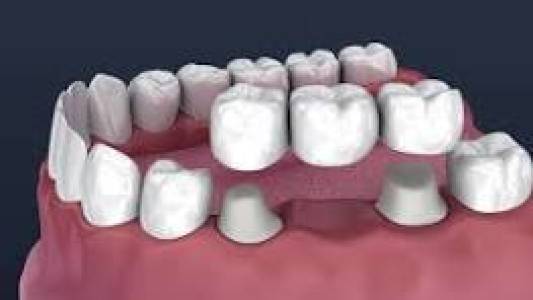
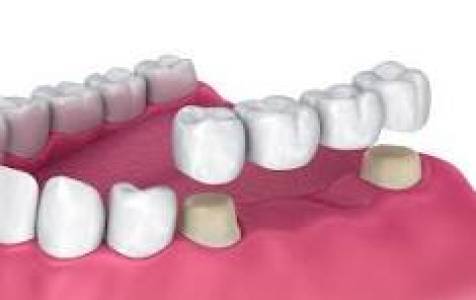
A dental bridge is a fixed dental prosthetic used to replace one or more missing teeth. It literally "bridges" the gap created by missing teeth, preventing the remaining teeth from shifting out of position. A traditional bridge typically consists of one or more artificial teeth (pontics) held in place by dental crowns that are cemented onto the natural teeth or implants adjacent to the gap (abutment teeth).
Types of Dental Bridges:
- Traditional Bridge: The most common type, consisting of one or more pontics held in place by crowns cemented onto abutment teeth on either side of the gap.
- Cantilever Bridge: Used when there are adjacent teeth on only one side of the missing tooth/teeth. It's less common due to potential for leverage issues.
- Maryland Bonded Bridge (Resin-bonded bridge): Consists of a pontic with metal or porcelain "wings" on each side that are bonded to the back of existing teeth. It's a more conservative option as it requires less preparation of adjacent teeth.
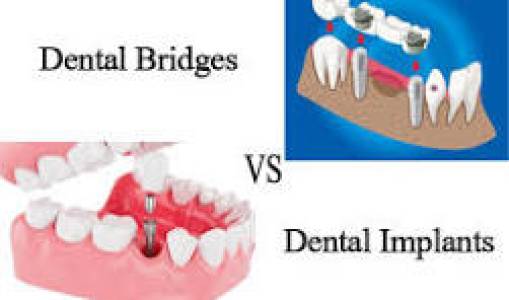
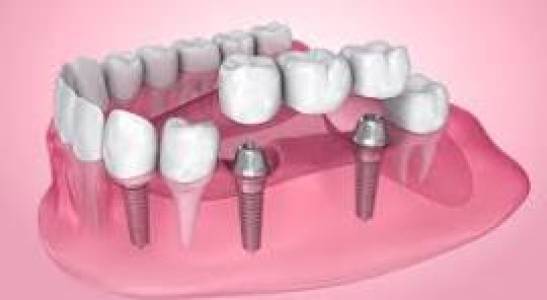
- Implant-Supported Bridge: Similar to a traditional bridge, but instead of being supported by natural teeth, the pontics are anchored by dental implants.
When is a Dental Bridge Recommended?
- To replace one or more missing teeth.
- To prevent remaining teeth from shifting into the empty space, which can lead to bite problems and other dental issues.
- To restore your chewing and speaking ability.
- To maintain the shape of your face by preventing the collapse of facial muscles that can occur with tooth loss.
- To distribute the forces in your bite properly by replacing missing teeth.
Common Materials Used for Crowns & Bridges
The choice of material depends on factors such as location in the mouth, desired aesthetics, durability, and patient preference.
- Porcelain/Ceramic:
- Pros: Highly aesthetic, mimics the natural translucency and color of teeth, ideal for front teeth.
- Cons: Can be more brittle than metal, may wear opposing teeth if not properly polished.
- Zirconia:
- Pros: Extremely strong and durable, highly biocompatible, excellent aesthetics (can be made to match tooth color), suitable for both front and back teeth.
- Cons: Can be harder to adjust, may require specific cementation techniques.
- Porcelain-Fused-to-Metal (PFM):
- Pros: Combines the strength of metal with the aesthetics of porcelain, very durable.
- Cons: Metal underlying can sometimes show through at the gum line (dark line), porcelain can chip.
- Metal Alloys (Gold, Platinum, Chromium, Nickel):
- Pros: Exceptionally strong, durable, long-lasting, requires minimal tooth removal, gentle on opposing teeth.
- Cons: Not aesthetically pleasing (metal color), typically used for molars where visibility is less of a concern.
The Procedure: What to Expect
The process for receiving a crown or bridge typically involves two appointments:
- Initial Consultation & Preparation:
- Your dentist will thoroughly examine your tooth/teeth, taking X-rays and discussing your treatment options.
- For a crown, the tooth will be reshaped to accommodate the crown. For a bridge, the abutment teeth will be prepared.
- An impression (digital or physical) of your prepared teeth will be taken.
- A temporary crown or bridge will be placed to protect your teeth while your permanent restoration is being fabricated in a dental lab.
- Placement of Permanent Restoration:
- Once your custom crown or bridge arrives from the lab (usually within 1-2 weeks), the temporary will be removed.
- Your dentist will check the fit, bite, and color of the permanent restoration.
- Once you and your dentist are satisfied, the crown or bridge will be permanently cemented onto your prepared teeth.
The Transformative Benefits You Can Expect
- Restored Strength & Durability: Protects weakened teeth and allows for normal chewing.
- Enhanced Aesthetics: Improves the appearance of damaged, discolored, or missing teeth, giving you a natural-looking, confident smile.
- Improved Function: Restores your ability to chew, speak, and digest food properly.
- Prevention of Shifting: Bridges prevent remaining teeth from moving into gaps, maintaining proper bite alignment.
- Long-Lasting Solution: With proper care, crowns and bridges can last for 10-15 years or even longer.
- Comfort & Stability: Fixed prosthetics feel natural and eliminate the inconvenience of removable appliances.
Care & Maintenance for Longevity
To ensure your crown or bridge lasts as long as possible:
- Maintain Excellent Oral Hygiene: Brush twice a day and floss daily, paying special attention around the crown or bridge. Use a floss threader or specialized bridge flossers to clean under bridges.
- Regular Dental Check-ups: Visit [Your Clinic Name/Practice Name] for routine exams and professional cleanings every six months.
- Avoid Harmful Habits: Refrain from biting hard objects (ice, hard candy), chewing on pens, or using your teeth as tools.
- Address Bruxism (Teeth Grinding): If you grind or clench your teeth, discuss a nightguard with your dentist to protect your restorations.
Is a Crown or Bridge Right for You?
If you have a tooth that is significantly damaged, decayed, fractured, or if you are missing one or more teeth, a dental crown or bridge might be the ideal solution to restore your oral health and smile.
Don't let damaged or missing teeth impact your quality of life. Our experienced team at [Your Clinic Name/Practice Name] is dedicated to providing personalized, high-quality restorative dental care. We use the latest techniques and materials to ensure beautiful, durable, and functional results.
Take the Next Step Towards a Complete Smile!
- Call us today at [Phone Number] to schedule your personalized consultation.
- Visit our website at [Website Address] to learn more and book online.
- Let us help you achieve the healthy, beautiful smile you deserve.
Disclaimer: This information is for educational purposes only and does not constitute medical advice. Please consult with a qualified dental professional at [Your Clinic Name/Practice Name] to determine the best treatment options for your individual needs.