Description
Here is a detailed product description for Root Canal Therapy, formatted in Markdown:
Root Canal Therapy: Restore Your Smile, Relieve Your Pain
Overview
Root Canal Therapy, also known as Endodontic Treatment, is a highly effective dental procedure designed to save a tooth that has become infected or severely inflamed due to deep decay, repeated dental procedures, cracks, or trauma. Rather than extracting the tooth, root canal therapy allows you to maintain your natural smile, chewing function, and overall oral health. It is a common, routine, and highly successful treatment performed under local anesthesia to ensure a pain-free experience.
Why Choose Root Canal Therapy?
Choosing root canal therapy offers numerous benefits over tooth extraction:
- Preserves Your Natural Tooth: The primary goal is to save your tooth, maintaining its natural position and preventing adjacent teeth from shifting.
- Eliminates Pain & Infection: Directly addresses the source of discomfort and prevents the spread of infection to other areas of your mouth and body.
- Restores Chewing Function: Allows you to eat comfortably and confidently, without fear of pain or sensitivity.
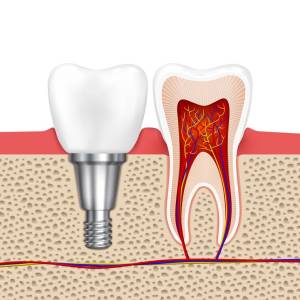
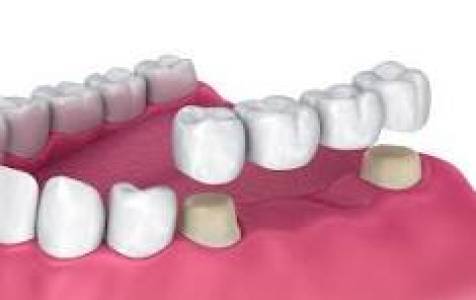
- Maintains Aesthetics: Keeps your natural smile intact, avoiding gaps or the need for more complex restorative solutions like bridges or implants.
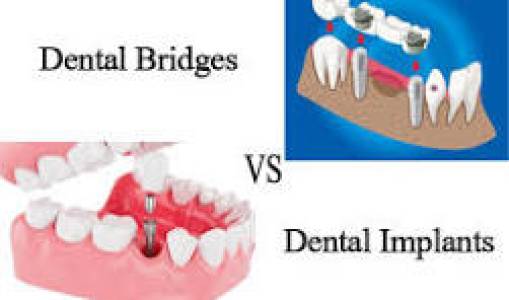
- Cost-Effective Long-Term: Often more economical over time compared to extraction followed by a tooth replacement option like a dental implant or bridge.
- High Success Rate: With modern techniques and materials, root canal therapy boasts a high success rate, and treated teeth can last a lifetime with proper care.
The Root Canal Procedure: What to Expect
The root canal procedure is typically completed in one or two appointments, depending on the tooth's condition. Here’s a step-by-step breakdown:
- Diagnosis & Anesthesia: Your dentist will take X-rays and perform a thorough examination to confirm the diagnosis. Local anesthesia will be administered to numb the tooth and surrounding area, ensuring you feel no pain during the procedure.
- Isolation: A small protective sheet called a dental dam is placed around the tooth to keep it dry and free from saliva during treatment, maintaining a sterile environment.
- Access Opening: A small opening is made in the crown of the tooth to access the pulp chamber and root canals.
- Pulp Removal: Using specialized instruments, the infected or inflamed pulp (nerve, blood vessels, and connective tissue) is carefully removed from the pulp chamber and root canals.
- Cleaning & Shaping: The root canals are meticulously cleaned, disinfected, and shaped to prepare them for filling. This step ensures all bacteria and debris are eliminated.
- Filling & Sealing: The cleaned and shaped canals are filled with a biocompatible, rubber-like material called gutta-percha. A special adhesive cement is used to seal the canals completely, preventing re-infection.
- Temporary or Permanent Filling: The access opening in the crown of the tooth is sealed with a temporary filling. In some cases, a permanent filling may be placed immediately.
- Final Restoration (Crucial!): In most cases, a root canal-treated tooth will require a final restoration, such as a dental crown or a permanent filling, to protect it from fracture and restore its full function and appearance. This usually occurs at a follow-up appointment.
Is a Root Canal Right for You? (Indications)
You might need root canal therapy if you experience any of the following symptoms:
- Severe toothache pain upon chewing or application of pressure.
- Prolonged sensitivity to hot or cold temperatures, even after the source is removed.
- Discoloration (darkening) of the tooth.
- Swelling and tenderness in the surrounding gums.
- A persistent or recurring pimple-like bump on the gums (a fistula), indicating a draining abscess.
- Chipped or cracked tooth with pulp exposure.
Post-Treatment Care & Recovery
After your root canal procedure, you might experience some mild sensitivity or tenderness for a few days, especially when chewing. This can typically be managed with over-the-counter pain relievers.
- Avoid chewing on the treated tooth until the final crown or permanent filling is placed.
- Maintain good oral hygiene with regular brushing and flossing.
- Attend your follow-up appointment for the final restoration, which is vital for the long-term success of the treatment.
Common Questions & Important Considerations
- Is Root Canal Therapy Painful? Modern root canal therapy is performed under local anesthetic and is designed to relieve pain, not cause it. Most patients report that the procedure itself is no more uncomfortable than having a filling placed.
- How Long Does a Root Canal-Treated Tooth Last? With proper restoration (like a crown) and good oral hygiene, a root canal-treated tooth can last a lifetime.
- What Happens if I Don't Get a Root Canal? Ignoring an infected or inflamed tooth can lead to severe pain, abscess formation, bone loss around the tooth, and eventually, the need for tooth extraction. The infection can also spread to other parts of your body.
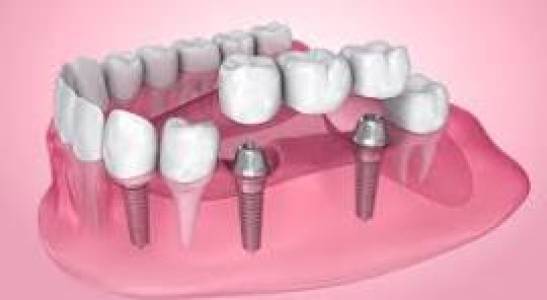
- Are There Alternatives? The only alternative to root canal therapy for a severely infected tooth is extraction. After extraction, you would need to consider options like a dental implant, bridge, or partial denture to replace the missing tooth.
Ready to Get Relief?
If you are experiencing symptoms of a compromised tooth, don't delay treatment. Contact us today to schedule a consultation. Our compassionate and experienced dental team is here to assess your needs, answer all your questions, and provide the highest quality root canal therapy to restore your dental health, comfort, and natural smile.