Description
Okay, here's a detailed product description for a Root Canal procedure, formatted in Markdown.
Root Canal: Preserve Your Natural Smile & Relieve Pain
Product Overview
The Root Canal, formally known as Endodontic Treatment, is a highly effective dental procedure designed to save a tooth when its pulp (the soft tissue inside) becomes infected or inflamed. Instead of extraction, we offer a path to preserve your natural tooth, alleviating severe pain, eliminating infection, and restoring its full function and aesthetic appeal.
This treatment is a cornerstone of modern dentistry, focusing on conservative tooth preservation to maintain your natural bite, chewing efficiency, and overall oral health.
Key Benefits
Opting for a root canal provides numerous advantages that significantly impact your long-term oral health and quality of life:
- Pain Relief: Eliminates the severe, persistent pain and discomfort caused by an infected or inflamed tooth pulp.
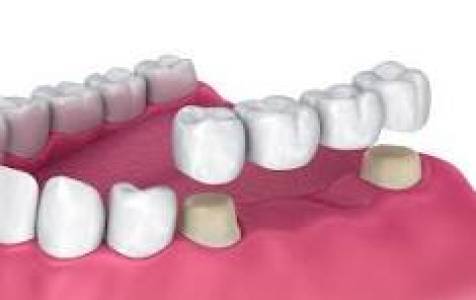
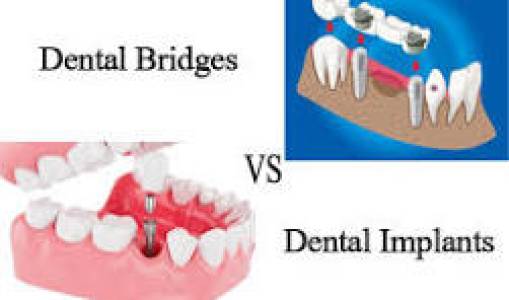
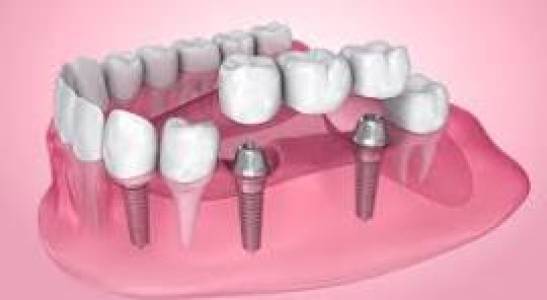
- Tooth Preservation: Saves your natural tooth, preventing the need for extraction and subsequent prosthetic solutions like bridges or implants.
- Maintained Oral Health: Prevents adjacent teeth from shifting into the gap left by a missing tooth, preserving your bite alignment and jaw health.
- Natural Appearance: Keeps your smile intact, as the treated tooth retains its original position and, with a proper crown, its natural look.
- Efficient Chewing: Restores full chewing function, allowing you to enjoy all types of food without discomfort or limitation.
- Prevents Spread of Infection: Stops the infection from spreading to other teeth, gums, or even into the jawbone and bloodstream.
- Cost-Effective Long-Term: Often a more cost-effective solution over time compared to extraction followed by a dental implant or bridge.
How It Works: The Procedure Explained
Our root canal procedure is performed with precision, comfort, and state-of-the-art technology, typically involving the following steps:
- Diagnosis & Anesthesia:
- A thorough examination, including X-rays, confirms the need for a root canal.
- Local anesthesia is administered to completely numb the affected tooth and surrounding area, ensuring a pain-free experience during the procedure.
- Access Opening:
- A small access opening is created on the biting surface of back teeth or the lingual (tongue side) surface of front teeth to reach the pulp chamber and root canals.
- Cleaning & Shaping:
- The infected and inflamed pulp tissue, bacteria, and debris are carefully removed from the pulp chamber and root canals using specialized dental instruments (files).
- The canals are thoroughly cleaned and shaped to facilitate effective filling, often with the aid of advanced irrigation solutions to disinfect the area.
- Filling (Obturation):
- Once the canals are meticulously cleaned and dried, they are filled with a biocompatible material, typically a rubber-like compound called gutta-percha.
- This material seals the canals to prevent re-infection.
- Restoration:
- A temporary filling is placed in the access opening to protect the tooth until a permanent restoration is prepared.
- In most cases, a permanent crown or a substantial filling is required to protect the treated tooth from fracture and restore its full function and aesthetic. This final restoration is crucial for the long-term success of the root canal.
Who Needs a Root Canal?
You might be a candidate for a root canal if you experience any of the following symptoms:
- Persistent Tooth Pain: Especially throbbing pain that can be mild to severe, and may worsen at night or when lying down.
- Sensitivity to Hot and Cold: Lingering sensitivity to temperature, even after the source of heat or cold has been removed.
- Swelling or Tenderness: Swelling in the gums around the affected tooth, or tenderness in the gum tissue or jawbone.
- Pimple-Like Bump on the Gums (Fistula): A small lesion or "zit" on the gums near the painful tooth, which may intermittently release pus.
- Tooth Discoloration: Darkening of the tooth, indicating pulp necrosis (death of the pulp tissue).
- Deep Decay or Crack/Chip: A significant cavity that has reached the pulp, or a severe crack or chip that exposes the pulp to bacteria.
- Pain Upon Chewing or Biting: Discomfort or pain when pressure is applied to the tooth.
What to Expect
Before Your Procedure
- Consultation & X-rays: A detailed discussion of your symptoms and dental history, accompanied by diagnostic X-rays to assess the extent of the infection.
- Expectation Setting: We will clearly explain the procedure, address any concerns, and outline what to expect during and after treatment.
During the Procedure
- Comfort: With modern anesthetics, the procedure itself is virtually pain-free. Most patients report feeling only pressure.
- Duration: A root canal typically takes one to two hours, though complex cases or multi-rooted teeth may require more time or multiple visits.
After Your Procedure
- Mild Sensitivity: It's normal to experience some mild sensitivity or discomfort for a few days, especially when chewing, as your body heals. This can usually be managed with over-the-counter pain relievers.
- Temporary Restoration: Avoid chewing on the treated tooth until the permanent crown or filling is placed to prevent fracture.
- Oral Hygiene: Continue regular brushing and flossing.
- Follow-Up: A follow-up appointment for the permanent restoration is crucial for the long-term success and protection of the treated tooth.
Important Considerations
- High Success Rate: Root canal treatment boasts a very high success rate, often allowing the treated tooth to last a lifetime with proper care.
- Permanent Restoration is Key: The final permanent filling or crown is essential for protecting the tooth from future damage and ensuring its longevity.
- Addressing Myths: Modern root canal therapy is vastly different from its historical reputation. With advanced techniques and effective anesthesia, it is no more uncomfortable than having a routine dental filling.
Ready to Say Goodbye to Tooth Pain?
If you're experiencing symptoms of an infected or inflamed tooth, don't delay seeking professional help. Early intervention can prevent further complications and increase the likelihood of saving your natural tooth.
Contact [Your Clinic Name/Dental Professional] today for a comprehensive consultation. Let us help you restore your oral health, alleviate your pain, and bring comfort back to your smile.