Description
Here's a detailed product description for Root Canal Therapy, formatted in Markdown:
Root Canal Therapy: Restore Your Smile, Preserve Your Natural Tooth
Suffering from a persistent toothache, sensitivity, or swollen gums? You might be experiencing an infection deep within your tooth. Root Canal Therapy, also known as Endodontic Treatment, is a highly effective and common procedure designed to alleviate pain, eliminate infection, and save your natural tooth from extraction.
Far from the outdated myths of excruciating pain, modern root canal therapy is a routine procedure, often no more uncomfortable than getting a standard filling, and its primary goal is to relieve your discomfort and restore your oral health.
Key Benefits of Root Canal Therapy:
- Pain Relief: Eliminates the source of infection and inflammation, providing immediate and lasting relief from severe toothaches.
- Preserves Natural Tooth: Avoids the need for extraction, maintaining your natural bite, alignment, and facial structure. Saving your natural tooth is always the preferred option.
- Prevents Further Infection: Stops the spread of bacteria to other teeth, gums, and even into your bloodstream, protecting your overall health.
- Restores Oral Health & Function: Allows you to chew, speak, and smile comfortably and confidently again, without fear of pain or further damage.
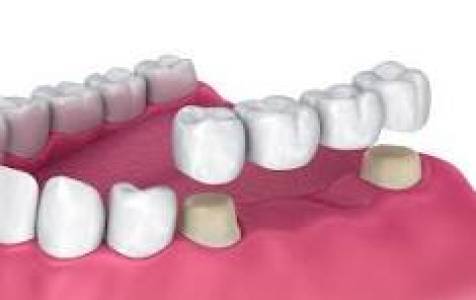
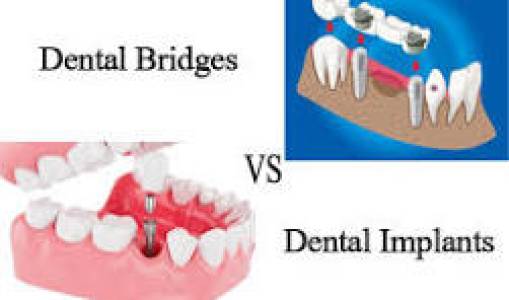
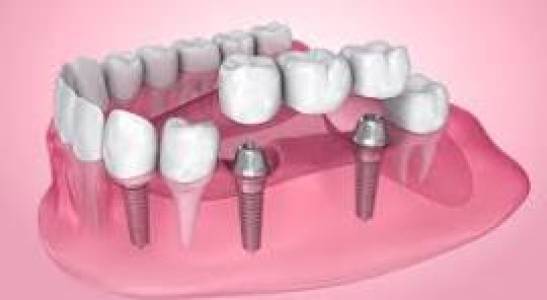
- Cost-Effective: Often more economical in the long run than tooth replacement options like dental implants or bridges, which become necessary if the tooth is extracted.
- Maintains Aesthetics: Keeps your natural smile intact, preventing gaps or shifting teeth that can occur with extractions.
When is Root Canal Therapy Necessary?
Root canal treatment becomes essential when the soft inner tissue of your tooth (the pulp), containing nerves and blood vessels, becomes inflamed or infected. This can be caused by:
- Deep Decay: Extensive cavities that penetrate the outer enamel and dentin, reaching the pulp chamber.
- Cracked or Chipped Teeth: Injuries that expose the pulp to bacteria.
- Trauma to the Tooth: A severe blow or injury that damages the pulp, even if there's no visible crack.
- Repeated Dental Procedures: Multiple fillings or dental work on the same tooth can sometimes irritate the pulp.
Common symptoms that may indicate the need for a root canal include:
- Severe toothache pain upon chewing or pressure.
- Prolonged sensitivity to hot or cold temperatures (even after the source is removed).
- Discoloration of the tooth (darkening).
- Swelling and tenderness in the surrounding gums.
- A persistent or recurring pimple-like bump on the gums (a fistula), indicating an abscess.
The Root Canal Procedure: What to Expect
Modern root canal therapy is a straightforward procedure, typically completed in one or two appointments, depending on the complexity of the case. Here's a general overview of the steps:
- Diagnosis & Anesthesia: Your dentist will take X-rays and perform a thorough examination to confirm the infection. Local anesthesia is administered to numb the tooth and surrounding area, ensuring a completely comfortable and pain-free experience.
- Isolation: A small protective sheet called a dental dam is placed over the tooth. This isolates the tooth, keeping it clean, dry, and free of saliva during the procedure.
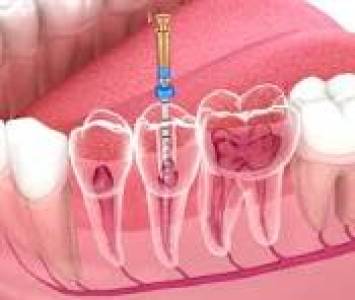
- Access Opening: A small opening is made in the crown of the tooth (the visible part) to access the pulp chamber and the root canals.
- Cleaning & Shaping: Using tiny, specialized instruments (endodontic files), the infected or inflamed pulp is carefully removed from the pulp chamber and root canals. The canals are then meticulously cleaned, disinfected, and shaped to prepare them for filling.
- Disinfection & Filling: The canals are thoroughly irrigated with antiseptic solutions to eliminate any remaining bacteria. Once clean and dry, the canals are filled with a biocompatible, rubber-like material called gutta-percha, along with an adhesive sealer, to completely seal them and prevent future re-infection.
- Temporary Restoration: A temporary filling is placed in the access opening to protect the tooth until your next appointment.
- Permanent Restoration (Crown): In most cases, a dental crown is recommended and crucial after root canal treatment. This permanent restoration strengthens the treated tooth, protects it from fracture, and restores its full function and natural appearance. This step typically occurs a few weeks after the root canal is completed.
Modern Root Canal Therapy: Dispelling Myths
The fear surrounding root canals is largely a thing of the past. Thanks to significant advancements in dental technology, local anesthetics, and techniques, modern root canal therapy is:
- Not painful: The procedure is designed to relieve pain, not cause it. With effective numbing, most patients report little to no discomfort during the treatment.
- Highly successful: Root canal therapy boasts a very high success rate (over 95%), saving teeth that would otherwise need extraction.
- A healthier choice: Saving your natural tooth is generally always preferred over extraction and subsequent replacement, as it maintains your natural bite and prevents adjacent teeth from shifting.
Aftercare and Longevity
Following your root canal, you may experience some mild soreness for a few days, which can be easily managed with over-the-counter pain relievers. It's crucial to:
- Avoid chewing on the treated tooth until your permanent restoration (crown) is placed.
- Maintain excellent oral hygiene with regular brushing and flossing.
- Attend regular dental check-ups to ensure the long-term health of your treated tooth and entire mouth.
With proper care and a timely permanent restoration, a root canal-treated tooth can last a lifetime, functioning just like your other natural teeth.
Don't Let Tooth Pain Control Your Life!
If you're experiencing symptoms that suggest an infected tooth, don't delay treatment. Early intervention with root canal therapy can prevent further complications, alleviate your pain, and preserve your natural smile.
Contact us today to schedule a consultation and find out if root canal therapy is the right solution to restore your oral health and comfort.