Description
Here's a detailed product description for Root Canal Therapy, formatted in Markdown:
Root Canal Therapy: Restore Health, Relieve Pain, Save Your Natural Tooth
Suffering from persistent tooth pain, sensitivity, or swelling? You might be experiencing an infection or inflammation deep within your tooth. While the thought of a "root canal" can sound intimidating, modern root canal therapy is a highly effective, comfortable, and often pain-relieving procedure designed to save your natural tooth and restore your oral health.
At [Your Clinic Name], our expert endodontists and dental team are dedicated to providing gentle, precise, and advanced root canal treatments, ensuring your comfort every step of the way.
What is a Root Canal (Endodontic Treatment)?
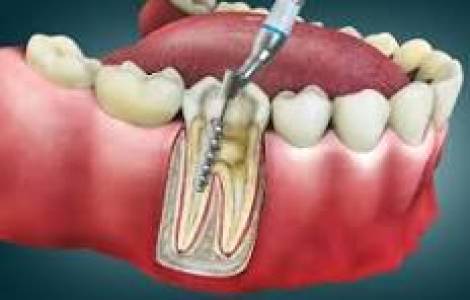
A root canal, also known as endodontic treatment, is a dental procedure that removes infected or inflamed pulp (the soft tissue, nerves, and blood vessels inside your tooth). Once the diseased pulp is removed, the inside of the tooth is carefully cleaned, disinfected, shaped, and then filled and sealed. This process eliminates pain, prevents the spread of infection, and saves the tooth from extraction.
Who Needs a Root Canal? (Indications)
Root canal therapy is necessary when the pulp inside your tooth becomes inflamed or infected. This can be caused by:
- Deep Decay: Untreated cavities can reach the pulp, causing infection.
- Trauma to the Tooth: A chip, crack, or severe blow can damage the pulp, even if there's no visible external damage.
- Repeated Dental Procedures: Multiple fillings or procedures on the same tooth can sometimes irritate the pulp.
- Cracked or Broken Tooth: These can expose the pulp to bacteria.
- Chronic Inflammation: Sometimes the pulp can become inflamed without obvious symptoms.
Common Symptoms That May Indicate a Need for Root Canal Therapy:
- Persistent Tooth Pain: Ranging from mild to severe, often throbbing, and sometimes radiating to the jaw or ear.
- Sensitivity to Hot and Cold: Lingering sensitivity, especially to hot foods and liquids, even after the source is removed.
- Swelling and Tenderness: Swelling in the gums around the affected tooth, tenderness when chewing or touching the tooth.
- Pimples on the Gums: A "pimple" or lesion (fistula) on the gums, which indicates an infection draining.
- Tooth Discoloration: The tooth may darken due to internal bleeding or dying pulp tissue.
- No Symptoms: In some cases, the pulp may die without causing pain, but an infection may still be present.
Key Benefits of Root Canal Therapy
Opting for a root canal offers numerous advantages:
- Pain Relief: Eliminates the source of infection and inflammation, providing lasting relief from toothache.
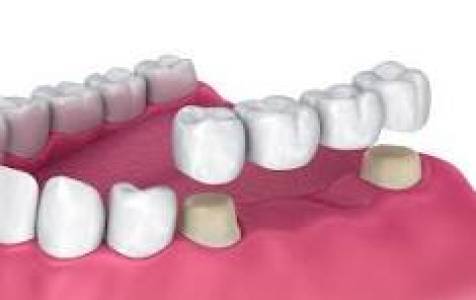
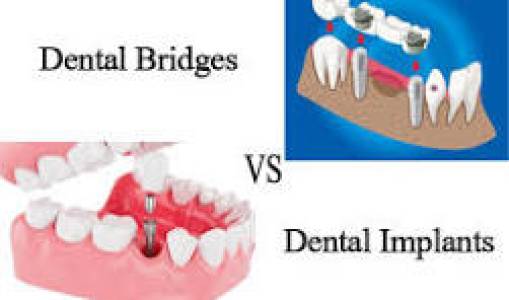
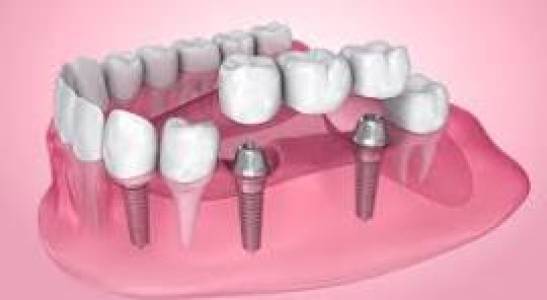
- Saves Your Natural Tooth: Preserves your natural tooth, preventing the need for extraction and costly replacements like implants or bridges.
- Prevents Infection Spread: Stops the infection from spreading to other teeth, gums, and potentially other parts of your body.
- Restores Chewing Function: Allows you to chew normally and comfortably once the tooth is restored.
- Maintains Your Smile: Keeps your natural smile intact, preventing the shifting of adjacent teeth that can occur after an extraction.
- Cost-Effective: Often a more economical long-term solution compared to tooth extraction followed by a prosthetic replacement.
The Root Canal Procedure: Step-by-Step
Our comprehensive root canal treatment typically involves the following stages, often completed in one or two appointments:
- Diagnosis and Planning: We begin with a thorough examination, including digital X-rays and possibly 3D imaging, to accurately assess the extent of the infection and plan your treatment.
- Anesthesia: Local anesthetic is administered to thoroughly numb the affected tooth and surrounding area, ensuring a completely pain-free procedure.
- Isolation: A small protective sheet called a dental dam is placed around the tooth. This isolates the tooth, keeping it clean and free from saliva and bacteria during the treatment.
- Access Opening: A small opening is made in the crown of the tooth to access the pulp chamber and root canals.
- Pulp Removal & Cleaning: Using specialized, flexible instruments (endodontic files) and irrigating solutions, the infected or inflamed pulp is carefully removed from the pulp chamber and root canals. The canals are meticulously cleaned and shaped.
- Disinfection: The cleaned canals are thoroughly disinfected to eliminate any remaining bacteria.
- Filling & Sealing: The cleaned and shaped canals are filled with a biocompatible, rubber-like material called gutta-percha, which is then sealed with an adhesive cement to prevent re-infection.
- Temporary Filling: A temporary filling is placed in the access opening to protect the tooth until your permanent restoration is placed.
- Permanent Restoration (Follow-Up): In most cases, a root canal-treated tooth will require a permanent filling or a dental crown. This final restoration is crucial to protect the weakened tooth from future fractures and restore its full strength and function. Our team will discuss the best restorative option for your tooth.
Post-Procedure Care and Recovery
After your root canal treatment, you might experience some mild tenderness or sensitivity for a few days, which can typically be managed with over-the-counter pain relievers.
- Avoid Chewing: Try to avoid chewing on the treated tooth until the permanent crown or filling is placed.
- Good Oral Hygiene: Continue your regular brushing and flossing routine.
- Medication: Take any prescribed antibiotics or pain medication as directed.
- Follow-Up: It is vital to return for your permanent restoration (filling or crown) as recommended by your dentist to ensure the long-term success and protection of your treated tooth.
Why Choose [Your Clinic Name] for Your Root Canal?
- Experienced Endodontists: Our team includes highly skilled endodontists specializing in root canal therapy, ensuring precise and effective treatment.
- Advanced Technology: We utilize state-of-the-art equipment, including digital X-rays, microscopes, and rotary endodontic instruments, for enhanced accuracy and patient comfort.
- Patient Comfort: We prioritize your comfort with local anesthesia, sedation options, and a compassionate approach to dental care.
- Comprehensive Care: From initial diagnosis to post-treatment follow-up and permanent restoration, we provide complete care under one roof.
- Commitment to Preservation: Our primary goal is always to save your natural teeth whenever possible.
Don't let dental pain dictate your life or compromise your oral health. If you are experiencing symptoms of an infected tooth, prompt diagnosis and treatment are crucial.
Call [Your Clinic Phone Number] or [Your Website Link] to schedule a consultation with our experienced team today. Let us help you relieve your pain and preserve your beautiful, natural smile with compassionate and effective root canal therapy.
Disclaimer: This product description is for informational purposes only and does not constitute medical advice. Please consult with a qualified dental professional at [Your Clinic Name] to discuss your specific condition and treatment options. Individual results may vary.