Description
Here's a detailed product description for Root Canal Treatment, formatted in Markdown:
Root Canal Treatment: Restore Your Oral Health & Preserve Your Natural Tooth
Experiencing severe tooth pain, sensitivity, or swelling? A root canal, also known as endodontic treatment, is a highly effective and commonly performed procedure designed to save a damaged or infected tooth, eliminate pain, and restore your oral health.
Don't let fear or misinformation prevent you from receiving the care you need. Modern root canal therapy is a routine, comfortable, and often pain-relieving procedure that can help you keep your natural smile for a lifetime.
Key Features & Benefits:
- ⚡️ Rapid Pain Relief: Eliminates the source of agonizing tooth pain, sensitivity, and discomfort almost immediately.
- 🦷 Tooth Preservation: Saves your natural tooth from extraction, maintaining your natural bite and smile.
- 🚫 Stops Infection Spread: Removes infected pulp, preventing bacteria from spreading to other teeth, your jawbone, or into your bloodstream.
- ✅ Restores Function: Allows you to chew and speak normally without pain or hesitation.
- 🌟 Long-Term Solution: With proper care and a protective crown, a root-canal-treated tooth can last for many years, often a lifetime.
- ✨ Maintains Aesthetics: Preserves your natural tooth structure and facial appearance, avoiding the need for a prosthetic replacement.
How a Root Canal Works (Simplified Process):
- Diagnosis: Your dentist or endodontist will examine your tooth, take X-rays, and test for sensitivity to accurately diagnose the infection and confirm the need for a root canal.
- Anesthesia: Local anesthetic is administered to completely numb the area, ensuring a pain-free experience during the procedure.
- Access Opening: A small opening is created in the crown of the tooth to access the infected pulp chamber and root canals.
- Cleaning & Shaping: The infected or inflamed pulp is carefully removed. The root canals are then thoroughly cleaned, disinfected, and shaped using specialized instruments to prepare them for filling.
- Filling (Obturation): The cleaned and disinfected canals are filled with a biocompatible, rubber-like material called gutta-percha, sealed with an adhesive cement to prevent re-infection.
- Temporary Filling: A temporary filling is placed in the access opening to protect the tooth until your permanent restoration.
- Permanent Restoration (Crown): In most cases, a custom-made crown is placed over the treated tooth in a follow-up appointment. This crown protects the tooth from fracture, restores its full strength, function, and natural appearance.
You Might Need a Root Canal If You Experience:
- Severe toothache pain when chewing or applying pressure.
- Prolonged sensitivity to hot or cold temperatures (even after the stimulus is removed).
- Discoloration (darkening) of the tooth.
- Swelling and tenderness in the surrounding gums.
- A persistent or recurring pimple-like bump on the gums (a fistula) indicating an abscess.
- A chipped or cracked tooth that exposes the pulp.
Why Choose Root Canal Treatment Over Extraction?
While extraction may seem like a quick fix, it often leads to further complications, including:
- Shifting of adjacent teeth
- Difficulty chewing
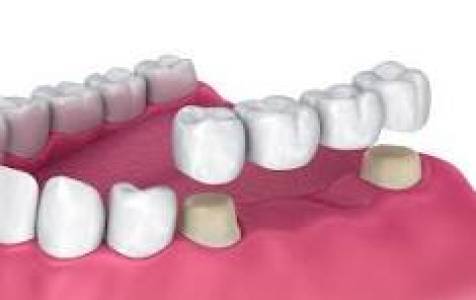
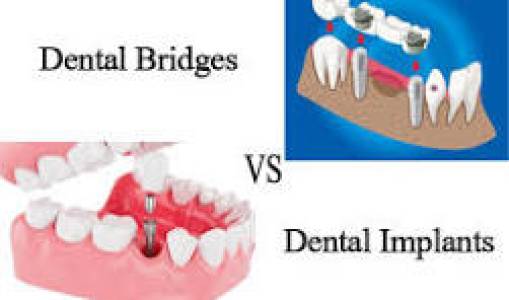
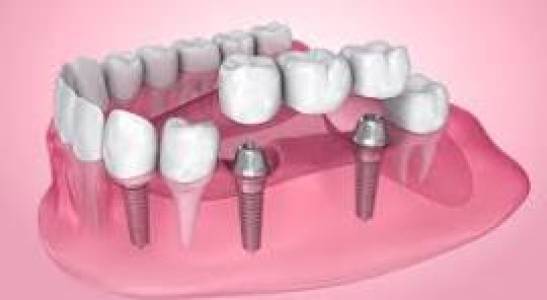
- The need for costly replacements like bridges or dental implants
Root canal treatment allows you to:
- Keep your natural tooth, which is always the best option.
- Maintain your natural bite and chewing efficiency.
- Prevent adjacent teeth from shifting out of alignment.
- Avoid the need for more extensive and potentially more expensive dental work in the future.
What to Expect:
- Before: A thorough examination and discussion of the procedure. You will receive clear instructions and have all your questions answered.
- During: The procedure is performed under local anesthesia. You should feel no pain, only pressure or vibration. It typically takes one to two appointments, depending on the complexity.
- After: Mild soreness or sensitivity is normal for a few days and can be managed with over-the-counter pain relievers. Avoid chewing on the treated tooth until your permanent restoration (crown) is placed. Follow all post-procedure care instructions diligently.
Important Considerations:
- Success Rate: Root canals have a very high success rate, often exceeding 95%, making them a reliable long-term solution.
- Pain: Modern techniques and effective anesthetics make the procedure virtually painless. The relief from your initial pain is usually immediate.
- Cost: The cost varies depending on the tooth's location (front vs. back) and complexity. It is generally less expensive than extracting a tooth and replacing it with a dental implant or bridge.
- Follow-Up: A permanent crown or filling is crucial to protect the treated tooth from fracture and ensure its long-term success.
Don't Delay Your Relief!
If you are experiencing symptoms of a compromised or infected tooth, don't wait for the pain to worsen. Contact us today for a comprehensive examination. Our experienced team is dedicated to providing comfortable, effective root canal treatment to save your tooth and restore your healthy smile.
Schedule your consultation today and take the first step towards a pain-free, healthy smile!
[Your Dental Practice Name] 📞 [Your Phone Number] 🌐 [Your Website Link] 📍 [Your Address]