Description
Dental Fillings: Restore Your Smile, Protect Your Health
Dental fillings are a common and effective restorative treatment used to repair teeth that have been damaged by decay (cavities), fractures, or other forms of trauma. By removing the damaged portion of the tooth and filling the void, dental fillings restore the tooth's structure, function, and aesthetics, preventing further decay and complications.
What Are Dental Fillings?
A dental filling is a material used by dentists to fill cavities in teeth, which are holes created by tooth decay. The process involves removing the decayed tooth material, cleaning the affected area, and then filling the cleaned cavity with a suitable material. This helps to eliminate pain, sensitivity, and prevent the decay from spreading deeper into the tooth, potentially leading to more severe issues like root canals or tooth loss.
Why Choose Dental Fillings? Key Benefits:
- Stop Decay Progression: Fillings remove decayed material and seal the tooth, halting the spread of bacteria and preventing further damage.
- Relieve Pain & Sensitivity: By covering exposed nerves and dentin, fillings can significantly reduce or eliminate tooth sensitivity and pain caused by cavities.
- Restore Tooth Function: Fillings rebuild the tooth's original shape, allowing you to bite, chew, and speak comfortably and effectively.
- Improve Aesthetics: Tooth-colored fillings seamlessly blend with your natural teeth, enhancing your smile's appearance.
- Prevent Further Damage: A weakened tooth is susceptible to cracks and fractures. Fillings reinforce the tooth structure, making it stronger and more resilient.
- Long-Lasting Solution: Depending on the material and your oral hygiene, fillings can last for many years, providing a durable solution.
Types of Dental Fillings Available:
We offer a range of filling materials, each with unique properties, advantages, and considerations. Your dentist will discuss the best option for your specific needs, considering factors like the location and size of the cavity, aesthetic concerns, cost, and durability.
1. Composite (Tooth-Colored) Fillings
- Material: Made from a mixture of plastic and fine glass particles (resin).
- Advantages:
- Aesthetic: Blends seamlessly with your natural tooth color, virtually invisible.
- Bonds to Tooth Structure: Requires less removal of healthy tooth structure compared to amalgam.
- Versatile: Can be used for small to medium-sized cavities and to repair chipped teeth.
- Considerations:
- May be less durable than amalgam for very large fillings in high-stress areas.
- Can stain over time from coffee, tea, or tobacco.
- Typically more expensive than amalgam.
2. Amalgam (Silver) Fillings
- Material: An alloy of mercury, silver, tin, and copper.
- Advantages:
- Durable & Strong: Excellent for large cavities and back teeth where chewing forces are high.
- Cost-Effective: Generally the least expensive option.
- Long-Lasting: Can last 10-15 years or even longer with proper care.
- Considerations:
- Visibility: Silver color is noticeable and does not match natural teeth.
- Mercury Content: While deemed safe by major dental organizations (ADA, FDA), some patients prefer mercury-free options.
- Can expand and contract with temperature changes, potentially leading to cracks in the tooth over many years.
3. Gold Fillings (Inlays/Onlays)
- Material: Gold alloy.
- Advantages:
- Exceptional Durability: Very strong and can last 15-20 years or more.
- Biocompatible: Well-tolerated by gum tissues.
- Non-Corrosive: Does not corrode or tarnish.
- Considerations:
- High Cost: Significantly more expensive than other options.
- Aesthetics: Gold color is highly noticeable.
- Multiple Visits: Usually requires two visits to the dentist for fabrication and placement.
4. Porcelain/Ceramic Fillings (Inlays/Onlays)
- Material: Custom-made ceramic material.
- Advantages:
- Superior Aesthetics: Mimics the natural translucency and color of tooth enamel.
- Durable: Very strong and resistant to staining.
- Custom Fit: Fabricated in a dental lab (or in-office with CAD/CAM technology) for a precise fit.
- Considerations:
- High Cost: Comparable to gold, often more expensive than composite.
- Brittle: Can be more brittle than composite or amalgam, requiring careful handling.
- Multiple Visits: Often requires two visits, similar to gold.
5. Glass Ionomer Fillings
- Material: Made from acrylic and fluoroaluminosilicate glass.
- Advantages:
- Fluoride Release: Releases fluoride, which can help prevent further decay around the filling.
- Good for Primary Teeth: Often used in children's teeth or in areas not subject to heavy chewing pressure.
- Bonds to Tooth: Chemically bonds to the tooth structure.
- Considerations:
- Less Durable: Not as strong or long-lasting as composite, amalgam, or gold.
- Limited Use: Best for small, non-load-bearing cavities or as a temporary filling.
The Dental Filling Procedure: What to Expect
The process of getting a dental filling is straightforward and typically completed in a single visit, depending on the material chosen.
- Diagnosis: Your dentist will examine your teeth, possibly using X-rays, to identify cavities or damaged areas.
- Anesthesia: A local anesthetic will be administered to numb the tooth and surrounding area, ensuring a pain-free experience.
- Decay Removal: The decayed or damaged tooth material is carefully removed using a dental drill.
- Tooth Preparation: The cavity is thoroughly cleaned and prepared. For composite fillings, a bonding agent is applied.
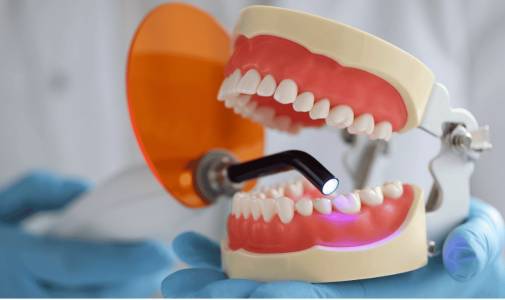
- Filling Placement: The chosen filling material is meticulously placed into the prepared cavity. For composite fillings, the material is applied in layers and hardened with a special light (curing light).
- Finishing & Polishing: The filling is shaped to match your tooth's natural contours and polished to a smooth finish, ensuring a comfortable bite.
After Your Filling: Care & Maintenance
- Temporary Sensitivity: It's normal to experience some sensitivity to hot, cold, or pressure for a few days or weeks after the procedure, especially with deeper fillings.
- Oral Hygiene: Maintain excellent oral hygiene with regular brushing (twice a day) and flossing (once a day) to prevent new decay.
- Avoid Hard Foods (Initially): If you received a composite filling, avoid chewing on hard or sticky foods for a few hours. For amalgam, avoid chewing on the filled tooth for 24 hours to allow it to fully harden.
- Regular Check-ups: Continue with your routine dental check-ups and cleanings (every six months) to monitor the health of your fillings and overall oral health.
- Report Issues: If you experience persistent pain, increased sensitivity, a fracture, or feel that your bite is uneven, contact our office immediately.
Who Can Benefit from Dental Fillings?
- Individuals with tooth decay (cavities), ranging from small to moderate.
- Patients with cracked, fractured, or chipped teeth where the damage is not extensive enough for a crown.
- Those experiencing tooth sensitivity due to exposed dentin or cavities.
- Anyone seeking to replace old, worn, broken, or discolored fillings.
Schedule Your Consultation Today!
Don't let tooth decay or damage compromise your oral health and well-being. Early detection and treatment with dental fillings can save your teeth, prevent pain, and maintain your beautiful smile for years to come.
Contact us today to schedule a comprehensive examination. Our experienced dental team will assess your needs and recommend the best filling material and treatment plan tailored just for you.
[Call Now: (XXX) XXX-XXXX] [Book Online: YourWebsite.com/appointment] [Visit Our Clinic: Your Clinic Address Here]
Important Note:
The information provided here is for general knowledge and informational purposes only, and does not constitute medical advice. It is not a substitute for professional medical advice, diagnosis, or treatment. Always seek the advice of your dentist or other qualified health provider with any questions you may have regarding a medical condition or treatment.