Description
Here's a detailed product description for Root Canal Therapy, formatted in Markdown:
Root Canal Therapy: Restore Your Oral Health & Preserve Your Natural Tooth
Are you suffering from persistent tooth pain, sensitivity, or a tender gum?
These could be signs of an infected or damaged tooth pulp, a condition that left untreated can lead to severe complications, including tooth loss. Root Canal Therapy (RCT), also known as endodontic treatment, is a highly effective and common procedure designed to alleviate pain, eliminate infection, and save your natural tooth from extraction.
At [Your Clinic Name], we combine advanced techniques with a patient-centered approach to make your root canal experience as comfortable and stress-free as possible. Don't let fear or misinformation prevent you from restoring your oral health.
What is Root Canal Therapy?
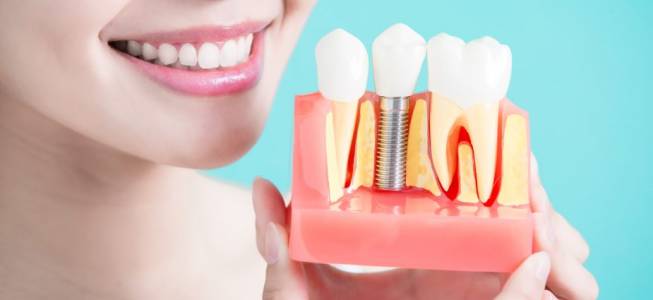
Inside each tooth, beneath the hard enamel and dentin layers, is a soft tissue called the pulp. This pulp contains nerves, blood vessels, and connective tissue, extending from the crown of the tooth down to the tip of the tooth roots. When the pulp becomes inflamed or infected due to deep decay, repeated dental procedures, cracks, or trauma, a root canal is necessary.
During root canal therapy, the inflamed or infected pulp is carefully removed, and the inside of the tooth is thoroughly cleaned, disinfected, and shaped. It is then filled and sealed with a rubber-like material called gutta-percha. Finally, the tooth is restored, often with a crown, to protect it and ensure it functions like any other natural tooth.
Key Benefits of Root Canal Therapy:
- Immediate & Lasting Pain Relief: The primary benefit is the elimination of the intense pain caused by an infected or inflamed pulp.
- Preserve Your Natural Tooth: Avoid the need for extraction and maintain your natural smile. This helps prevent shifting of adjacent teeth, which can lead to further dental problems.
- Stop Infection Spread: Eliminates bacteria and prevents the infection from spreading to other teeth or into the jawbone, which can cause abscesses or systemic health issues.
- Restore Chewing & Biting Function: Once restored, your treated tooth will function normally, allowing you to eat your favorite foods without discomfort.
- Maintain Facial Structure: Keeping your natural teeth helps preserve the structure of your jaw and face.
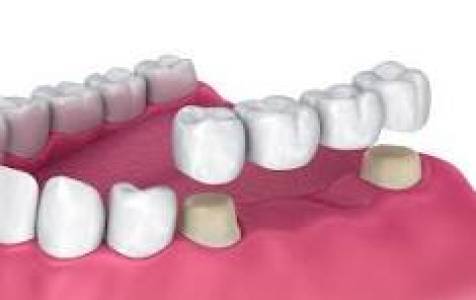
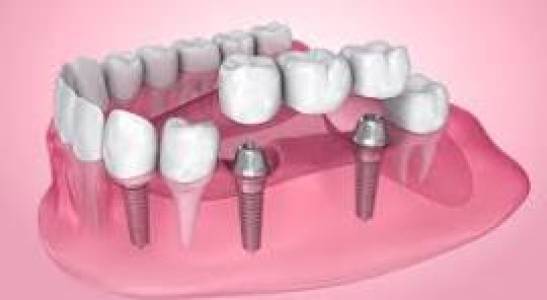
- Cost-Effective in the Long Run: Saving a natural tooth is often less expensive than replacing it with an implant or bridge after extraction.
Who Needs Root Canal Therapy? (Indications)
You might need a root canal if you experience:
- Severe Toothache: Persistent pain, especially when chewing or applying pressure, or spontaneous pain that wakes you up at night.
- Prolonged Sensitivity: Lingering sensitivity to hot or cold temperatures, even after the source is removed.
- Gum Tenderness & Swelling: Swelling or tenderness in the gums surrounding the affected tooth.
- Pimple-like Bump (Fistula): A small bump on the gums near the infected tooth, which may intermittently release pus.
- Tooth Discoloration: Darkening or discoloration of the tooth.
- Deep Decay or Trauma: An X-ray reveals decay reaching the pulp or a cracked/chipped tooth exposing the pulp.
Our Root Canal Procedure: What to Expect
We prioritize your comfort and understanding throughout the entire process:
- Diagnosis & Planning:
- A thorough examination, including digital X-rays and possibly 3D imaging, to accurately diagnose the infection and plan your treatment.
- We will discuss your options and answer all your questions.
- Anesthesia:
- Local anesthesia is administered to numb the affected tooth and surrounding area, ensuring a virtually pain-free procedure. Sedation options are also available for anxious patients.
- Access Opening:
- A small opening is created in the crown of the tooth to access the pulp chamber and root canals.
- Cleaning & Shaping:
- Using specialized, fine instruments (often rotary files), the infected or inflamed pulp is carefully removed from the pulp chamber and root canals. The canals are then thoroughly cleaned and shaped.
- Disinfection:
- Antiseptic solutions are used to disinfect the canals, eliminating any remaining bacteria.
- Filling & Sealing:
- The cleaned and shaped canals are filled with a biocompatible, rubber-like material called gutta-percha, sealed with an adhesive cement to prevent reinfection.
- Temporary Filling:
- A temporary filling is placed in the access opening to protect the tooth until the final restoration.
- Final Restoration (Crown):
- In most cases, a dental crown is placed over the treated tooth during a subsequent visit. This crown provides essential protection, reinforces the tooth's structure, and restores its natural appearance and function.
Why Choose [Your Clinic Name] for Your Root Canal Therapy?
- Experienced Endodontic Care: Our dentists are highly trained and experienced in performing root canal treatments, ensuring precision and optimal outcomes.
- Advanced Technology: We utilize state-of-the-art equipment, including digital X-rays, rotary endodontic instruments, and high-power magnification, for efficient and effective treatment.
- Patient Comfort Focus: Your comfort is our priority. We offer local anesthesia, gentle techniques, and various sedation options to help you relax throughout your procedure.
- Sterile Environment: We adhere to the highest standards of sterilization and infection control for your safety.
- Comprehensive Follow-Up: We provide clear post-treatment instructions and schedule follow-up appointments to ensure proper healing and long-term success.
Don't delay relief!
If you're experiencing symptoms of a compromised tooth, schedule a consultation with us today. Our compassionate team will assess your condition, explain your options, and help you take the first step towards a healthy, pain-free smile.
Contact us to learn more or to book your appointment!