Description
Restore Your Smile & Confidence with Crowns & Bridges
Damaged or missing teeth can impact more than just your smile – they can affect your ability to eat, speak, and even your self-confidence. At [Your Practice Name], we specialize in high-quality dental crowns and bridges, designed to restore the function, health, and aesthetics of your smile.
Dental Crowns: Protecting & Strengthening Your Teeth
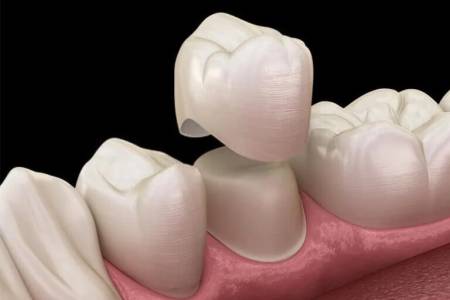
A dental crown is a custom-made "cap" that completely covers a damaged or weakened tooth, restoring its original shape, size, strength, and appearance. Think of it as a protective helmet for your tooth.
When Do You Need a Dental Crown?
- To protect a weak tooth from fracturing or to hold parts of a cracked tooth together.
- To restore an already broken tooth or a tooth severely worn down.
- To cover and support a tooth with a large filling when there isn't much tooth structure left.
- To cover a dental implant.
- To make a cosmetic modification.
- To cover a tooth that has undergone root canal treatment.
Benefits of Dental Crowns
- Restored Strength & Function: Allows you to chew and bite normally without discomfort.
- Protection: Shields damaged teeth from further decay or fracture.
- Improved Aesthetics: Custom-matched to your natural tooth color and shape for a seamless look.
- Long-Lasting Solution: With proper care, crowns can last for many years.
- Prevents Tooth Shifting: Maintains the alignment of surrounding teeth.
Types of Crown Materials
We offer a range of materials to suit your specific needs, aesthetic goals, and budget:
- Porcelain/Ceramic: Highly aesthetic, ideal for front teeth due to their natural appearance and ability to blend seamlessly with existing teeth.
- Zirconia: Extremely strong and durable, yet also highly aesthetic. A popular choice for both front and back teeth, offering excellent longevity.
- Porcelain Fused to Metal (PFM): Combines the strength of a metal substructure with the natural look of porcelain. A good option for posterior teeth where both strength and aesthetics are desired.
- Metal Alloys (Gold, etc.): Exceptionally strong and durable, making them ideal for back teeth where biting forces are strongest. While not as aesthetic, they are very long-lasting.
The Crown Procedure (Typically 2 Visits)
- Preparation: We prepare the tooth by removing a small amount of enamel to create space for the crown.
- Impressions: Accurate molds or digital scans of your tooth are taken and sent to a specialized dental laboratory.
- Temporary Crown: A temporary crown is placed to protect your tooth while your permanent crown is being crafted.
- Placement: Once your custom crown arrives (usually 2-3 weeks), we remove the temporary, check the fit and shade, and then permanently cement the new crown onto your tooth.
Dental Bridges: Bridging the Gap for Missing Teeth
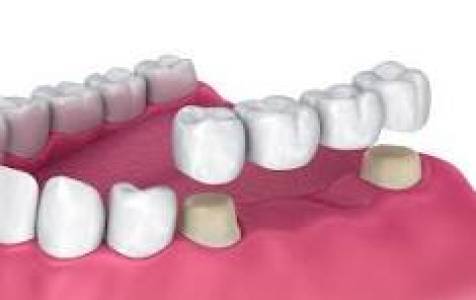
A dental bridge is a fixed (non-removable) prosthetic device used to replace one or more missing teeth. It "bridges" the gap created by missing teeth, typically by using the adjacent natural teeth or dental implants as anchors.
When Do You Need a Dental Bridge?
- To replace one or more missing teeth.
- To restore your ability to chew and speak properly.
- To maintain the shape of your face.
- To prevent remaining teeth from drifting out of position into the empty space.
- To upgrade from a removable partial denture to a fixed solution.
Benefits of Dental Bridges
- Complete Your Smile: Fills the gaps, giving you a full, natural-looking smile.
- Improved Chewing & Speaking: Restores normal oral function.
- Maintains Facial Structure: Prevents the sunken appearance that can result from missing teeth.
- Prevents Tooth Shifting: Keeps existing teeth in their proper alignment, protecting your bite.
- Durable & Stable: A long-lasting solution that stays securely in place.
Types of Dental Bridges
- Traditional Bridges: The most common type, consisting of one or more pontics (artificial teeth) held in place by dental crowns cemented onto the abutment teeth (the natural teeth on either side of the gap).
- Cantilever Bridges: Used when there are adjacent teeth on only one side of the missing tooth or teeth.
- Maryland Bonded Bridges: A more conservative option that uses a metal or porcelain framework with "wings" that are bonded to the back of the adjacent teeth, avoiding the need for full crown preparation.
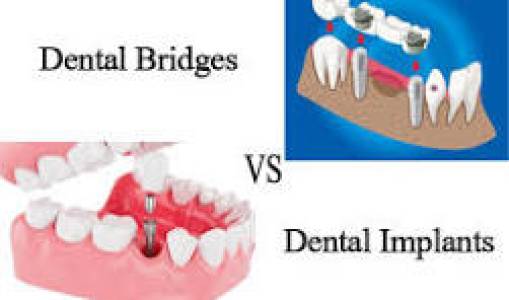
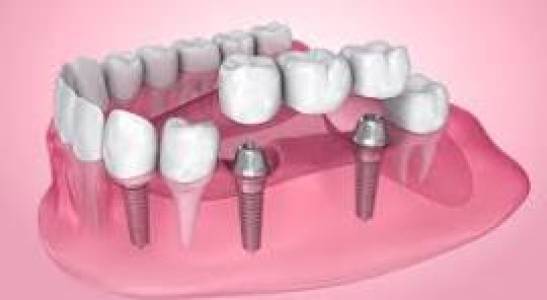
- Implant-Supported Bridges: For a bridge to be supported by dental implants rather than natural teeth, offering excellent stability and preserving healthy tooth structure.
The Bridge Procedure (Typically 2-3 Visits)
- Preparation: The abutment teeth (the teeth on either side of the gap) are prepared, similar to a crown procedure, to accommodate the crowns that will hold the bridge.
- Impressions: Molds or digital scans are taken and sent to the dental laboratory.
- Temporary Bridge: A temporary bridge is placed to protect the prepared teeth and the gum tissue.
- Placement: Once your custom bridge is ready, we meticulously check its fit, bite, and aesthetics before permanently cementing it into place.
Caring for Your New Crown or Bridge
To ensure the longevity of your crown or bridge, proper oral hygiene and regular dental check-ups are essential:
- Brush & Floss Daily: Pay special attention to the area around your crown or bridge to prevent plaque buildup and gum disease. Special floss threaders can help clean under bridges.
- Regular Dental Visits: Continue your routine cleanings and examinations.
- Avoid Hard & Sticky Foods: To prevent damage to the restoration.
- Address Teeth Grinding/Clenching: If you clench or grind your teeth (bruxism), a nightguard may be recommended to protect your crown or bridge.
Why Choose [Your Practice Name] for Your Restorative Needs?
- Experienced & Compassionate Team: Our dentists have extensive experience in crafting and placing beautiful, durable crowns and bridges.
- Advanced Technology: We utilize state-of-the-art equipment for precise diagnostics and treatment planning.
- Personalized Treatment Plans: We take the time to understand your unique needs and goals to recommend the best solution for you.
- Quality Materials: We use only the highest quality materials to ensure the longevity and natural appearance of your restorations.
- Comfort-Focused Environment: Your comfort is our priority throughout your treatment journey.
Ready to Restore Your Smile?
Don't let damaged or missing teeth hold you back. Dental crowns and bridges can significantly improve your oral health, chewing function, and overall confidence.
Contact us today at [Phone Number] or [Email Address] to schedule a consultation. Let's discuss how crowns and bridges can transform your smile!