Description
Here's a detailed product description for "Tooth Filling" in Markdown format, tailored as if for a dental practice's website or informational brochure.
Tooth Filling: Restore, Protect, & Enhance Your Natural Smile
Overview: What is a Tooth Filling?
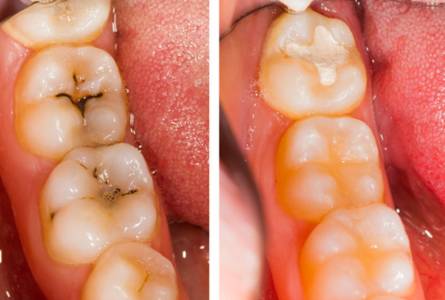
A tooth filling is a fundamental dental procedure designed to restore a tooth damaged by decay (cavities), cracks, or fractures to its normal function and shape. When you have a cavity, your dentist removes the decayed tooth material, cleans the affected area, and then fills the prepared cavity with a filling material. This process prevents further decay and protects the tooth from additional damage, sensitivity, and potential infection.
At [Your Clinic Name], we utilize the latest techniques and high-quality materials to provide durable, aesthetic, and long-lasting tooth fillings, ensuring your comfort and restoring your oral health.
Key Features & Benefits:
- Effective Cavity Treatment: Stops the progression of tooth decay, preventing further damage and potential tooth loss.
- Pain & Sensitivity Relief: Eliminates pain and discomfort caused by cavities or exposed dentin.
- Restores Tooth Structure: Rebuilds the damaged portion of the tooth, restoring its original shape and function for proper chewing.
- Prevents Further Damage: Seals off areas where bacteria could enter, protecting the inner pulp from infection.
- Improved Aesthetics: Modern filling materials, especially composite resins and ceramics, can be matched to your natural tooth color, making them virtually invisible.
- Enhanced Oral Health: Contributes to overall oral hygiene by eliminating decay-causing bacteria traps.
- Long-Lasting Solutions: With proper care, fillings can last for many years, providing a durable solution.
Types of Tooth Filling Materials:
We offer a range of filling materials, and your dentist will discuss the best option for your specific needs, considering factors like the location of the cavity, extent of decay, cost, durability, and aesthetic preferences.
1. Composite Resin Fillings (Tooth-Colored)
- Description: Made from a mixture of plastic and fine glass particles.
- Pros:
- Aesthetic: Matched to the color of your existing teeth, making them nearly invisible.
- Bonding: Chemically bonds to the tooth structure, providing extra support.
- Versatile: Can be used for small to medium-sized fillings, and for repairing chipped or broken teeth.
- Minimally Invasive: Less tooth structure needs to be removed compared to amalgam.
- Cons:
- Durability: May not be as durable as amalgam or gold for very large fillings or teeth under heavy chewing pressure.
- Staining: Can be susceptible to staining from coffee, tea, and tobacco over time.
- Cost: Generally more expensive than amalgam fillings.
2. Amalgam Fillings (Silver Fillings)
- Description: A mixture of mercury, silver, tin, and copper.
- Pros:
- Durability: Extremely strong and durable, ideal for back teeth that endure heavy chewing forces.
- Cost-Effective: Generally the least expensive type of filling.
- Longevity: Can last 10-15 years or longer with proper care.
- Cons:
- Aesthetics: Silver color is noticeable, making them less suitable for visible teeth.
- Expansion/Contraction: Can expand and contract more than natural tooth structure, potentially leading to cracks over time.
- Mercury Content: While deemed safe by major dental organizations (like the ADA and FDA), some patients prefer mercury-free options.
3. Gold Fillings (Inlays/Onlays)
- Description: Custom-made in a dental laboratory and then cemented into place.
- Pros:
- Durability: Extremely long-lasting (15-20 years or more) and very strong.
- Biocompatible: Well-tolerated by gum tissues.
- Strength: Highly resistant to wear and tear.
- Cons:
- Cost: The most expensive filling material.
- Aesthetics: Clearly visible (gold color).
- Multiple Visits: Requires at least two dental visits for preparation and placement.
4. Ceramic Fillings (Porcelain Inlays/Onlays)
- Description: Made from porcelain, custom-created in a lab and bonded to the tooth.
- Pros:
- Aesthetic: Very natural-looking and resistant to staining.
- Durability: Strong and resistant to wear.
- Biocompatible: Very well-tolerated by the body.
- Cons:
- Cost: Similar to gold fillings, they are quite expensive.
- Brittleness: Can be more brittle than composite resin and may chip if not properly placed.
- Multiple Visits: Typically requires two appointments.
The Tooth Filling Procedure: What to Expect
- Diagnosis: Your dentist will examine your teeth and may take X-rays to determine the extent of the decay.
- Anesthesia: A local anesthetic will be administered to numb the tooth and surrounding area, ensuring a comfortable experience.
- Decay Removal: The decayed or damaged tooth material is carefully removed using a dental drill. The area is then thoroughly cleaned to eliminate any bacteria or debris.
- Preparation: Depending on the type of filling, the tooth might be etched with an acid gel or a bonding agent applied to help the filling material adhere.
- Filling Placement:
- Composite: The resin material is applied in layers, with each layer hardened (cured) using a special light.
- Amalgam: The malleable amalgam is packed into the cavity and shaped.
- Gold/Ceramic: For inlays/onlays, an impression is taken, and a temporary filling is placed. You return for a second visit to have the custom-made filling bonded into place.
- Shaping & Polishing: The filling is shaped to match the contours of your natural tooth and polished for a smooth finish, ensuring proper bite alignment and comfort.
Aftercare & Maintenance:
- Temporary Sensitivity: It's normal to experience some sensitivity to hot, cold, or pressure for a few days after a filling. This usually subsides quickly.
- Chewing: Avoid chewing on the filled tooth until the numbness wears off. For amalgam fillings, avoid heavy chewing for the first 24 hours to allow it to fully harden.
- Oral Hygiene: Maintain excellent oral hygiene by brushing twice daily and flossing once a day.
- Regular Check-ups: Visit your dentist for regular check-ups and cleanings as recommended (typically every six months) to monitor the condition of your fillings and overall oral health.
- Avoid Hard Foods: Be mindful of extremely hard, sticky, or chewy foods that could potentially damage or dislodge your filling.
Is a Tooth Filling Right for You?
If you are experiencing tooth pain, sensitivity, have visible holes in your teeth, or suspect you might have a cavity, a tooth filling may be the solution you need. Early detection and treatment of cavities can prevent more extensive and costly dental procedures in the future.
Don't let tooth decay compromise your smile or your health. Contact [Your Clinic Name] today to schedule a comprehensive dental examination and determine the best tooth filling option for you!
[Your Clinic Name] [Your Address] [Your Phone Number] [Your Website/Email]