Description
Arthroscopy: Precision Joint Care, Minimally Invasive
Unlock Your Mobility with Advanced Arthroscopic Solutions
Arthroscopy is a revolutionary, minimally invasive surgical procedure that allows orthopedic surgeons to visualize, diagnose, and treat problems inside a joint. Utilizing a small incision and a specialized camera called an arthroscope, this technique offers a less traumatic alternative to traditional open surgery, leading to faster recovery, less pain, and superior outcomes for a wide range of joint conditions.
What is Arthroscopy?
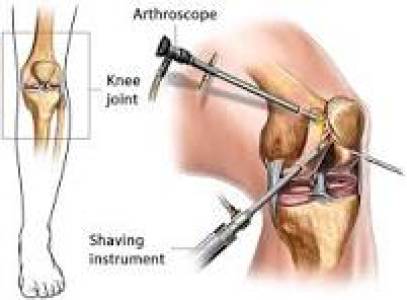
At its core, Arthroscopy involves making one or more small incisions (often less than a centimeter) around the affected joint. A pencil-sized instrument called an arthroscope, equipped with a tiny lens and a fiber-optic lighting system, is inserted through one of these incisions. The arthroscope is connected to a high-definition video camera, which projects magnified images of the joint's interior onto a monitor.
This clear, real-time visualization enables the surgeon to thoroughly examine the joint structures – including cartilage, ligaments, tendons, and bone – for damage or disease. If treatment is required, specialized miniature surgical instruments can be inserted through additional small incisions to repair, remove, or reconstruct the damaged tissues.
Key Features & Benefits:
- Minimally Invasive:
- Smaller Incisions: Typically 2-4 small "portals" instead of a large open cut.
- Reduced Trauma: Less disruption to surrounding healthy tissues, muscles, and skin.
- Less Scarring: Cosmetically more appealing with minimal visible scars.
- Superior Visualization:
- High-Definition Clarity: Magnified, illuminated view of the joint's internal structures on a monitor.
- Enhanced Diagnostic Accuracy: Allows for precise identification of even subtle damage or pathology that might be missed on MRI or during open surgery.
- Faster Recovery & Rehabilitation:
- Reduced Pain: Significantly less post-operative pain compared to open surgery.
- Quicker Healing: Faster tissue recovery due to minimal invasion.
- Expedited Return to Activity: Patients can often begin physical therapy sooner and return to work, sports, and daily activities more quickly.
- Lower Risk Profile:
- Reduced Risk of Infection: Smaller entry points inherently decrease exposure.
- Less Blood Loss: Minimizing the surgical field reduces bleeding.
- Potential for Outpatient Procedure: Many arthroscopic surgeries can be performed on an outpatient basis, allowing patients to return home the same day.
- Versatility:
- Applicable to nearly every joint in the body.
- Treats a vast array of orthopedic conditions, from acute injuries to chronic degenerative issues.
Common Applications & Indications:
Arthroscopy is widely used to diagnose and treat conditions in various joints, including:
- Knee Arthroscopy:
- Meniscus tears (trimming or repair)
- ACL (Anterior Cruciate Ligament) reconstruction
- PCL (Posterior Cruciate Ligament) repair/reconstruction
- Cartilage repair or removal (chondroplasty)
- Removal of loose bodies
- Synovectomy (removal of inflamed joint lining)
- Patellar (kneecap) issues
- Shoulder Arthroscopy:
- Rotator cuff repair
- Labral tears (SLAP lesions, Bankart lesions)
- Impingement syndrome (acromioplasty)
- Biceps tenodesis/tenotomy
- Removal of loose bodies
- Treatment for shoulder instability
- Hip Arthroscopy:
- Labral tears
- Femoroacetabular Impingement (FAI)
- Removal of loose bodies
- Treatment of snapping hip syndrome
- Cartilage damage
- Ankle Arthroscopy:
- Treatment of ankle impingement (bone spurs)
- Cartilage damage
- Removal of loose bodies
- Ligament stabilization
- Wrist Arthroscopy:
- Treatment of triangular fibrocartilage complex (TFCC) tears
- Ganglion cyst removal
- Cartilage repair
- Ligament reconstruction
- Elbow Arthroscopy:
- Removal of loose bodies
- Treatment of osteochondritis dissecans (OCD)
- Release for tennis elbow (lateral epicondylitis) or golfer's elbow (medial epicondylitis)
Why Choose Arthroscopy?
For patients experiencing joint pain, stiffness, instability, or limited mobility, Arthroscopy offers a state-of-the-art solution that prioritizes healing, comfort, and a swift return to an active lifestyle. Its precision, coupled with minimal invasiveness, makes it the preferred choice for countless individuals and a gold standard in modern orthopedic care.
What to Expect:
- Pre-operative: Comprehensive evaluation, imaging (X-rays, MRI), and discussion with your surgeon about the procedure, risks, and expected outcomes.
- Procedure Day: Typically performed under general, regional, or local anesthesia. The duration varies based on the complexity of the procedure.
- Post-operative: Dressings, pain management plan, and often immediate initiation of physical therapy or rehabilitation exercises.
- Recovery: While immediate recovery is faster than open surgery, full recovery and return to strenuous activities will depend on the specific procedure and individual healing capacity, guided by your physical therapist and surgeon.
Target Audience:
- Patients: Individuals suffering from joint pain, injury, or degenerative conditions seeking effective, minimally invasive treatment options.
- Orthopedic Surgeons & Sports Medicine Physicians: Healthcare professionals seeking advanced, reliable tools and techniques for precise joint diagnosis and treatment.
- Hospitals & Surgical Centers: Medical facilities aiming to offer cutting-edge orthopedic services with improved patient outcomes and reduced recovery times.
Consult Your Specialist Today:
If you are experiencing joint pain or have been diagnosed with a joint condition, discuss with your orthopedic specialist whether Arthroscopy is the right solution for you. Embrace the future of joint care and take the first step towards renewed mobility and a pain-free life.
Disclaimer: This information is intended for educational purposes only and does not constitute medical advice. Always consult with a qualified healthcare professional for diagnosis and treatment of any medical condition. Individual results may vary.