Description
Here's a detailed product description for Wisdom Tooth Extraction, formatted in Markdown:
Professional Wisdom Tooth Extraction Service
Restore Your Comfort & Protect Your Oral Health
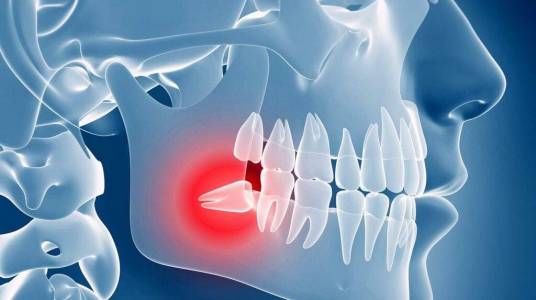
Wisdom teeth, also known as third molars, are the last set of teeth to erupt, typically between the ages of 17 and 25. While some individuals have enough room for them to emerge without issues, for many, wisdom teeth can cause a host of painful problems and threaten overall oral health.
Our professional wisdom tooth extraction service is designed to safely and effectively remove problematic wisdom teeth, alleviating pain, preventing future complications, and setting you on the path to improved oral well-being.
What is Wisdom Tooth Extraction?
Wisdom tooth extraction is a common oral surgical procedure to remove one or more wisdom teeth. The complexity of the extraction can vary significantly depending on whether the tooth has fully erupted, is partially impacted (partially emerged), or fully impacted (fully enclosed within the gum and bone).
Why Might You Need Wisdom Tooth Extraction?
We recommend a thorough consultation to determine if extraction is right for you. Common reasons for wisdom tooth removal include:
- Impacted Wisdom Teeth: When a wisdom tooth doesn't have enough space to erupt properly, it can become trapped (impacted) beneath the gum line or against another tooth. This can lead to pain, swelling, and damage to adjacent teeth.
- Pain & Discomfort: Persistent or throbbing pain in the back of your jaw.
- Infection (Pericoronitis): When a partially erupted wisdom tooth creates a flap of gum tissue where food particles and bacteria can get trapped, leading to painful infection.
- Damage to Adjacent Teeth: Impacted wisdom teeth can push against the second molars, potentially causing damage, increasing the risk of decay, or leading to root resorption.
- Cysts or Tumors: In rare cases, impacted wisdom teeth can lead to the formation of cysts or tumors that can damage the jawbone and surrounding structures.
- Overcrowding: Wisdom teeth can contribute to orthodontic issues by pushing other teeth, leading to misalignment.
- Difficulty Cleaning: Even fully erupted wisdom teeth can be hard to clean, making them prone to decay and gum disease.
The Extraction Process: What to Expect
Your comfort and safety are our top priorities. Here's a general overview of the extraction process:
- Comprehensive Consultation & X-rays: We'll begin with a thorough examination of your mouth, including digital X-rays (often 3D CBCT scans) to assess the position of your wisdom teeth, their roots, proximity to nerves, and surrounding bone structure.
- Personalized Treatment Plan: Based on the assessment, we'll discuss your specific situation, the recommended extraction approach, anesthesia options, potential risks, and post-operative care instructions. All your questions will be answered.
- Anesthesia Administration: We offer various options to ensure a pain-free experience:
- Local Anesthesia: Numbing the area around the tooth while you remain fully conscious.
- IV Sedation (Conscious Sedation): You will be in a deeply relaxed state, often with little memory of the procedure, but still able to respond to commands.
- General Anesthesia: For complex cases or highly anxious patients, you will be completely asleep during the procedure.
- The Extraction:
- For fully erupted teeth, the procedure is often straightforward, involving loosening and removing the tooth.
- For impacted teeth, a small incision may be made in the gum tissue. Bone might need to be gently removed to access the tooth, and the tooth itself may be divided into smaller pieces for easier removal.
- Suturing & Gauze: After removal, the socket is cleaned, and sutures (stitches) may be placed to help the gum heal. Gauze is applied to control bleeding.
- Post-Operative Instructions: You will receive detailed instructions for at-home care, including pain management, swelling control, diet, and oral hygiene.
Benefits of Choosing Our Service
- Experienced Oral Surgeons & Dentists: Our team consists of highly qualified professionals with extensive experience in complex wisdom tooth extractions.
- Advanced Technology: We utilize state-of-the-art diagnostic imaging (e.g., 3D CBCT scans) and surgical tools for precise and efficient extractions.
- Patient-Centered Care: We prioritize your comfort, offering a range of sedation options and a supportive environment.
- Sterile & Safe Environment: Adherence to the highest standards of sterilization and infection control.
- Clear Communication: We ensure you are fully informed about every step of your treatment.
- Comprehensive Post-Care Support: Detailed instructions and follow-up care to ensure a smooth recovery.
Preparing for Your Extraction
- Arrange a Ride: If you are receiving IV sedation or general anesthesia, you must arrange for someone to drive you home and stay with you for several hours.
- Follow Fasting Instructions: If undergoing sedation, adhere strictly to any fasting guidelines provided.
- Ask Questions: Don't hesitate to ask our team any questions you have prior to your appointment.
Post-Procedure Care & Recovery (Crucial for Healing)
Proper post-operative care is vital for a smooth recovery and to prevent complications like dry socket.
- Pain Management: Take prescribed pain medication as directed.
- Swelling: Apply ice packs to your face for the first 24-48 hours.
- Bleeding: Bite gently on gauze pads as instructed. Change them regularly.
- Diet: Stick to soft foods (yogurt, soup, mashed potatoes, smoothies) for the first few days. Gradually reintroduce normal foods as tolerated.
- Oral Hygiene: Gently rinse your mouth with warm salt water after 24 hours (avoid vigorous rinsing). Brush carefully, avoiding the extraction sites.
- Avoid Straws & Smoking: These actions can dislodge the blood clot and lead to dry socket.
- Rest: Get plenty of rest to aid healing.
- Follow-Up: Attend your scheduled follow-up appointment so we can monitor your healing.
Potential Risks & Considerations
While wisdom tooth extraction is generally safe, as with any surgical procedure, there are potential risks, which will be discussed with you in detail:
- Pain & Swelling: Common but manageable with medication and ice.
- Bruising: May occur around the jaw and neck.
- Infection: Rare, but can be treated with antibiotics.
- Dry Socket (Alveolar Osteitis): Occurs if the blood clot dislodges, exposing the bone. It's painful but treatable.
- Nerve Damage: Very rare, temporary or permanent numbness of the lip, chin, or tongue.
- Sinus Issues: For upper wisdom teeth, there's a small risk of communication with the sinus cavity.
Take the First Step Towards Relief
Don't let problematic wisdom teeth impact your quality of life. Our dedicated team is here to provide you with expert care in a comfortable and reassuring environment.
Schedule your comprehensive consultation today to discuss your wisdom tooth needs and receive a personalized treatment plan.
Disclaimer: This product description provides general information about wisdom tooth extraction. It is not a substitute for professional medical advice, diagnosis, or treatment. Individual results and recovery times may vary. Always consult with a qualified dental professional or oral surgeon to discuss your specific condition and treatment options.