Description
Preprosthetic Surgery: The Foundation for Your Perfect Smile & Prosthetic Comfort
What is Preprosthetic Surgery?
Preprosthetic surgery encompasses a range of specialized surgical procedures performed before the placement of dental prostheses such as dentures, dental implants, or fixed bridges. The primary goal of these procedures is to prepare the underlying bone and soft tissues (gums) of the mouth, creating an optimal and stable foundation for your new prosthetic device.
Think of it as preparing the ground before building a house – a well-prepared foundation ensures the structure's stability, comfort, and longevity.
Why is Preprosthetic Surgery Essential?
After tooth loss, the jawbone naturally begins to resorb (shrink) and remodel. This can lead to various irregularities that make wearing a prosthesis difficult, uncomfortable, or even impossible without proper preparation. Without preprosthetic surgery, you might experience:
- Poor Fit and Stability: Dentures that rock, slip, or move during chewing and speaking.
- Discomfort and Pain: Sharp bony edges, excess gum tissue, or muscle attachments can cause chronic sores and pain under a prosthesis.
- Reduced Functionality: Difficulty chewing, speaking clearly, and enjoying food.
- Compromised Aesthetics: A poorly fitting prosthesis can look unnatural or cause facial changes.
- Increased Risk of Implant Failure: Insufficient bone volume or quality can prevent successful implant placement and integration.
- Shorter Prosthesis Lifespan: Increased wear and tear on the prosthetic due to an uneven foundation.
Key Benefits of Preprosthetic Surgery
By optimizing the oral environment, preprosthetic surgery provides numerous advantages for patients:
- Enhanced Comfort: Eliminates pressure points, sharp edges, and ensures a smooth, even surface.
- Superior Stability & Fit: Creates a stable base, allowing dentures to seat securely and implants to integrate predictably.
- Improved Function: Facilitates more efficient chewing, clearer speech, and a return to a normal diet.
- Optimal Aesthetics: Ensures your new prosthesis looks natural and contributes positively to your facial appearance.
- Increased Prosthesis Longevity: A proper foundation extends the life of your dentures, implants, or bridges.
- Reduced Need for Future Adjustments: Minimizes ongoing visits for relines or adjustments.
- Successful Implant Integration: Provides the necessary bone volume and quality for durable implant support.
Common Preprosthetic Surgical Procedures
Based on your individual needs, a customized treatment plan may include one or more of the following procedures:
Alveoloplasty
- What it is: Reshaping and smoothing of the jawbone after tooth extraction to eliminate sharp edges and irregularities.
- Why it's done: Creates a smooth ridge for comfortable denture seating.
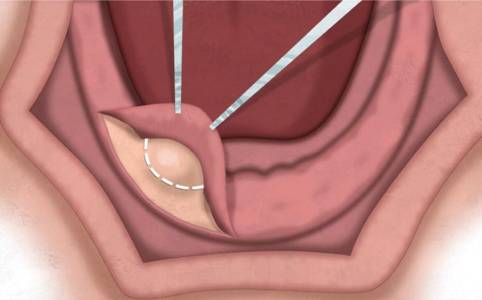
Tori Removal (Exostosis Removal)
- What it is: Surgical removal of abnormal bony growths (tori) that can occur on the roof of the mouth (torus palatinus) or on the inner side of the lower jaw (torus mandibularis).
- Why it's done: These bony bumps can interfere with denture fit, cause pain, and harbor food particles.
Vestibuloplasty
- What it is: A procedure to deepen the sulcus (the groove between the lip/cheek and the gum tissue).
- Why it's done: Increases the height of the alveolar ridge available for denture retention, improving stability and preventing dentures from being dislodged by muscle attachments.
Frenectomy
- What it is: Surgical removal or repositioning of a frenum (small folds of tissue that connect the lips or tongue to the gum).
- Why it's done: An overly prominent frenum can pull on the gum tissue, create gaps, or dislodge dentures.
Ridge Augmentation & Bone Grafting
- What it is: Procedures to rebuild or augment the jawbone that has been lost due to disease, trauma, or prolonged tooth loss. Bone graft material (from your own body, a donor, or synthetic) is used.
- Why it's done: Essential for creating sufficient bone volume and density to support dental implants or improve the fit of dentures.
Sinus Lift (Sinus Augmentation)
- What it is: A specific type of bone grafting procedure performed in the upper jaw (maxilla) when there isn't enough bone height in the posterior region due to an enlarged sinus cavity.
- Why it's done: Lifts the sinus membrane and places bone graft material to create sufficient bone for dental implant placement.
Immediate Denture Preparation
- What it is: Often involves extractions and alveoloplasty in preparation for placing a "temporary" denture immediately after teeth are removed.
- Why it's done: Allows the patient to avoid being without teeth during the healing phase and guides the healing process for the final prosthesis.
Who is a Candidate for Preprosthetic Surgery?
You may be a candidate for preprosthetic surgery if you:
- Are considering complete or partial dentures, dental implants, or fixed bridges.
- Have irregular, sharp, or uneven jaw ridges.
- Experience excess or insufficient gum tissue.
- Have prominent bony growths (tori) that interfere with prosthesis placement.
- Lack sufficient bone volume or density for dental implants.
- Have muscle attachments (frena) that could dislodge your prosthesis.
- Have recently had teeth extracted and require ridge smoothing.
The Preprosthetic Surgery Process
- Comprehensive Consultation & Diagnosis: Your journey begins with a thorough examination, including digital X-rays and potentially 3D CBCT scans, to assess the condition of your bone and soft tissues. We will discuss your prosthetic goals and create a personalized treatment plan.
- Procedure: Most preprosthetic surgeries are performed under local anesthesia, often combined with various sedation options (oral, IV) to ensure your comfort and relaxation. The specific procedure will be explained in detail before your appointment.
- Recovery & Healing: Post-operative instructions will be provided to ensure a smooth recovery. Healing times vary depending on the complexity of the procedure, but typically range from a few weeks to several months, especially for bone grafting.
- Prosthesis Fabrication: Once the healing is complete and your mouth is optimally prepared, your prosthodontist or dentist will proceed with impressions and the fabrication of your new dentures, implants, or bridges.
Why Choose [Your Practice Name] for Your Preprosthetic Surgery?
At [Your Practice Name], we are dedicated to providing the highest standard of oral surgical care. Our commitment includes:
- Experienced Specialists: Our board-certified oral and maxillofacial surgeons possess extensive expertise in all aspects of preprosthetic surgery.
- Advanced Technology: We utilize state-of-the-art diagnostic and surgical equipment for precision and optimal outcomes.
- Personalized Care: Every treatment plan is tailored to your unique needs and prosthetic goals.
- Patient Comfort: We prioritize your comfort and offer various sedation options to ensure a calm and anxiety-free experience.
- Collaborative Approach: We work closely with your general dentist or prosthodontist to ensure seamless coordination of your overall treatment.
Schedule Your Consultation
Don't let an imperfect foundation compromise the comfort, function, and aesthetics of your new smile. Contact [Your Practice Name] today to schedule a comprehensive consultation and discover how preprosthetic surgery can pave the way for your successful prosthetic journey.
Call us at [Phone Number] or visit our website at [Website Address] to learn more.
Disclaimer: The information provided in this product description is for general informational purposes only and does not constitute medical advice. It is essential to consult with a qualified healthcare professional, such as an oral surgeon or prosthodontist, to discuss your specific condition, treatment options, and potential risks. Individual results may vary.