Description
Expert Impaction & Surgical Tooth Extraction Services
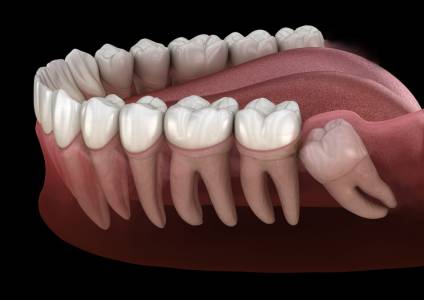
An impacted tooth is one that fails to fully erupt through the gum line, often remaining partially or completely embedded within the jawbone or soft tissue. Most commonly associated with wisdom teeth (third molars), impaction can also affect canines, premolars, or supernumerary teeth. When an impacted tooth causes pain, infection, damage to adjacent teeth, or poses a risk to overall oral health, a surgical extraction becomes necessary.
Our specialized dental practice offers comprehensive, compassionate, and precise surgical extraction services for impacted teeth, ensuring optimal patient comfort and successful outcomes.
What is an Impacted Tooth?
A tooth is considered impacted when it does not emerge fully into its correct position in the mouth. This can happen for several reasons:
- Lack of Space: The jaw may be too small to accommodate all teeth.
- Angle of Growth: The tooth grows at an angle, pushing against neighboring teeth.
- Obstruction: Bone, gum tissue, or another tooth blocks its path.
Common Types of Impaction:
- Wisdom Teeth (Third Molars): The most frequently impacted teeth, often emerging in late teens or early twenties. They can be mesial, distal, horizontal, vertical, or soft tissue/bony impacted.
- Canines (Cuspids): Upper canines are the second most common impacted teeth, often requiring surgical exposure and orthodontic traction.
- Premolars & Supernumerary Teeth: Less common, but can also become impacted and require removal.
Why Surgical Extraction is Necessary
While not all impacted teeth require immediate removal, surgical extraction is recommended or necessary when they lead to, or are likely to lead to, significant problems:
- Pain & Discomfort: Persistent or intermittent pain in the jaw, ear, or head.
- Infection (Pericoronitis): When bacteria accumulate around a partially erupted tooth, leading to inflammation, swelling, and pus formation.
- Damage to Adjacent Teeth: Impacted teeth can push against and damage the roots or crown of neighboring healthy teeth, leading to resorption or decay.
- Cysts & Tumors: In rare cases, the sac surrounding an impacted tooth can fill with fluid, forming a cyst that can damage bone and adjacent teeth.
- Crowding & Malocclusion: Impacted teeth can exacerbate existing orthodontic issues or cause healthy teeth to shift out of alignment.
- Risk of Future Complications: Proactive removal of problematic impacted teeth can prevent more severe issues down the line.
- Pre-Orthodontic Treatment: Sometimes, removal is necessary to create space for orthodontic treatment or to facilitate the eruption of another tooth.
Our Expert Surgical Extraction Services Include:
1. Comprehensive Diagnosis & Treatment Planning
- Advanced Imaging: Utilizing state-of-the-art digital X-rays and 3D Cone Beam Computed Tomography (CBCT) scans to accurately assess the tooth's position, its relationship to vital structures (nerves, sinuses), and the surrounding bone.
- Thorough Examination: A detailed clinical examination by our experienced oral surgeon to evaluate your oral health and specific needs.
- Personalized Consultation: A clear explanation of your diagnosis, treatment options, potential risks, and benefits, ensuring you are fully informed and comfortable with the proposed plan.
2. Tailored Anesthesia & Sedation Options
- Local Anesthesia: To numb the surgical area completely.
- Nitrous Oxide (Laughing Gas): For mild anxiety relief.
- Oral Sedation: Medication taken before the procedure to induce a state of relaxation.
- IV Sedation (Conscious Sedation): Administered intravenously to achieve a deeper state of relaxation, allowing you to remain aware but feeling detached and comfortable.
- General Anesthesia: For complex cases or extreme anxiety, administered by a qualified anesthesiologist.
3. Precise Surgical Procedure
- Gentle Tissue Management: Careful incision and reflection of gum tissue to access the impacted tooth.
- Controlled Bone Removal: Minimally invasive removal of any bone obstructing the tooth's path using specialized instruments.
- Tooth Sectioning: If necessary, the tooth may be carefully divided into smaller pieces for easier and less traumatic removal.
- Thorough Cleansing: Irrigation of the socket to remove any debris or bacteria.
- Suturing: Placement of dissolvable or removable sutures to close the gum tissue, promote healing, and minimize post-operative bleeding.
4. Comprehensive Post-Operative Care
- Detailed Instructions: Clear written and verbal instructions for managing discomfort, swelling, diet, and oral hygiene during recovery.
- Prescription Medications: Pain relievers and, if necessary, antibiotics to prevent infection.
- Follow-up Appointments: Scheduled visits to monitor healing, remove sutures (if non-dissolvable), and address any concerns.
- Emergency Support: Access to our team for urgent questions or complications.
Why Choose Us for Your Surgical Extraction?
- Experienced Oral Surgeon: Our board-certified oral surgeon possesses extensive experience and specialized training in complex dental extractions and oral surgery.
- State-of-the-Art Facility: We utilize advanced surgical equipment, sterilization techniques, and comfortable treatment rooms to ensure a safe and efficient procedure.
- Patient-Centered Approach: Your comfort, safety, and well-being are our top priorities. We strive to make your experience as stress-free and pain-free as possible.
- Dedicated & Caring Team: Our friendly and professional staff are here to support you every step of the way, from your initial consultation through your recovery.
- Focus on Minimally Invasive Techniques: We employ techniques designed to reduce trauma, promote faster healing, and minimize post-operative discomfort.
Recovery & Post-Operative Expectations:
Following a surgical extraction, it's normal to experience:
- Swelling: Typically peaks 24-48 hours after surgery. Apply ice packs externally.
- Mild to Moderate Discomfort: Managed with prescribed pain medication and over-the-counter pain relievers.
- Limited Jaw Opening: May last for a few days.
- Slight Bleeding: Some oozing is normal; apply gentle pressure with gauze.
We will provide you with specific instructions on diet, oral hygiene, activity restrictions, and medication use to ensure a smooth and comfortable recovery. Adhering to these instructions is crucial for preventing complications like dry socket and promoting optimal healing.
Schedule Your Consultation
If you are experiencing symptoms related to an impacted tooth, or if your general dentist has recommended surgical extraction, we invite you to schedule a comprehensive consultation with our oral surgeon. We are dedicated to providing the highest standard of care for your oral health needs.
Contact us today to learn more and book your appointment.