Description
Here's a detailed product description for a root canal, formatted in Markdown:
Root Canal Therapy: Preserve Your Natural Smile, End Your Pain
Introduction
At [Your Dental Practice Name], we understand that the thought of a root canal can be daunting. However, Root Canal Therapy (RCT) is a highly effective, common, and often pain-relieving procedure designed to save a severely damaged or infected tooth. Despite its reputation, modern root canal treatment is typically no more uncomfortable than a routine dental filling, thanks to advanced techniques and local anesthesia.
Our compassionate and experienced team is dedicated to providing you with gentle, state-of-the-art care, ensuring your comfort and restoring your oral health.
What is a Root Canal?
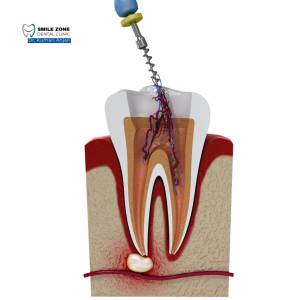
A root canal is a dental procedure that removes the infected or inflamed pulp from the inside of your tooth. The tooth's pulp, located in the center of the tooth, contains nerves, blood vessels, and connective tissue. When this pulp becomes infected due to deep decay, repeated dental procedures, cracks, or trauma, it can cause severe pain and lead to an abscess if left untreated.
During the procedure, the infected pulp is carefully removed, the inside of the tooth is thoroughly cleaned and disinfected, and then filled with a sterile, rubber-like material called gutta-percha. Finally, the tooth is sealed, often with a dental crown, to protect it from future damage and restore its function.
Key Benefits of Root Canal Therapy
- Eliminate Pain: The primary and most immediate benefit is the relief from the agonizing pain caused by an infected tooth.
- Save Your Natural Tooth: RCT prevents the need for tooth extraction, allowing you to keep your natural tooth and maintain your smile.
- Prevent Infection Spread: It stops the infection from spreading to other teeth, gums, or even into the bloodstream, preserving your overall health.
- Restore Chewing Function: Once treated and restored (often with a crown), the tooth can function normally again, allowing you to eat comfortably.
- Maintain Aesthetics: Keeping your natural tooth helps maintain the natural appearance of your smile and prevents the shifting of adjacent teeth.
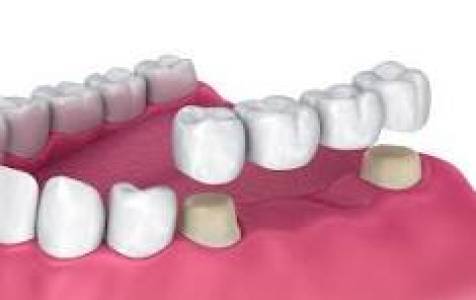
- Cost-Effective in the Long Run: Saving your natural tooth is often less costly than extracting it and replacing it with an artificial tooth, such as an implant or bridge.
When is a Root Canal Needed? (Indications)
You might need a root canal if you experience any of the following symptoms:
- Severe, persistent toothache that doesn't go away, often worsening when lying down.
- Prolonged sensitivity to hot or cold temperatures, even after the source is removed.
- Swelling and tenderness in the surrounding gums or face.
- A "pimple" or lesion on the gums near the infected tooth (a sign of an abscess).
- Discoloration or darkening of the tooth.
- Pain when chewing or applying pressure to the tooth.
- Deep decay that has reached the pulp.
- A chipped or cracked tooth that exposes the pulp.
The Root Canal Procedure: What to Expect
Our goal is to make your root canal experience as comfortable and stress-free as possible. The procedure typically involves a few steps:
- Anesthesia: Local anesthesia is administered to thoroughly numb the tooth and surrounding area, ensuring you feel no pain during the procedure. Sedation options are also available for anxious patients.
- Isolation: A small rubber dam is placed around the tooth to keep it dry and free from saliva and bacteria during treatment.
- Access Opening: A small opening is created in the crown of the tooth to access the pulp chamber and root canals.
- Cleaning and Shaping: Tiny instruments are used to carefully remove the infected pulp tissue, bacteria, and debris from the root canals. The canals are then thoroughly cleaned and shaped for filling.
- Filling and Sealing: Once cleaned and disinfected, the root canals are filled with a biocompatible material called gutta-percha. A temporary filling is then placed to seal the opening.
- Restoration: After the root canal, a permanent restoration – often a dental crown – is essential. This protects the treated tooth from fracture and restores its full strength and function. We will schedule a follow-up appointment for this final step.
Post-Procedure Care & Recovery
It's normal to experience some mild sensitivity or discomfort for a few days after your root canal, especially when chewing. This can typically be managed with over-the-counter pain relievers. We will provide detailed aftercare instructions and are always available to answer any questions.
Important: Avoid chewing on the treated tooth until your permanent crown or restoration is placed to prevent damage.
Why Choose [Your Dental Practice Name] for Your Root Canal?
- Experienced & Skilled Team: Our dentists have extensive experience in performing root canal therapy with precision and care.
- Advanced Technology: We utilize state-of-the-art equipment, including digital X-rays, rotary instruments, and apex locators, for accurate and efficient treatment.
- Patient-Centered Comfort: We prioritize your comfort, offering various sedation options and a gentle approach to minimize anxiety.
- Comprehensive Care: From initial diagnosis to the final restoration, we provide complete care under one roof.
- Transparent Communication: We believe in educating our patients, explaining every step of the procedure and addressing all your concerns.
FAQs About Root Canal Therapy
Is a root canal painful?
With modern techniques and effective local anesthesia, most patients report that a root canal is no more painful than getting a filling. The procedure actually relieves the pain caused by the infection.
How long does a root canal take?
A single root canal procedure typically takes between 60 to 90 minutes, depending on the complexity of the tooth and the number of root canals.
How long does a tooth last after a root canal?
With proper care and a good final restoration (like a crown), a tooth treated with a root canal can last a lifetime.
What happens if I don't get a root canal when it's needed?
If left untreated, the infection can spread, leading to severe pain, abscess formation, bone loss around the tooth, and eventually, the need for extraction.
Are there alternatives to a root canal?
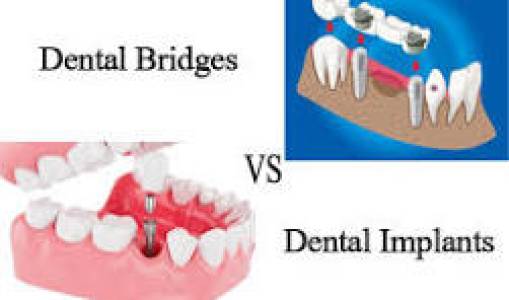
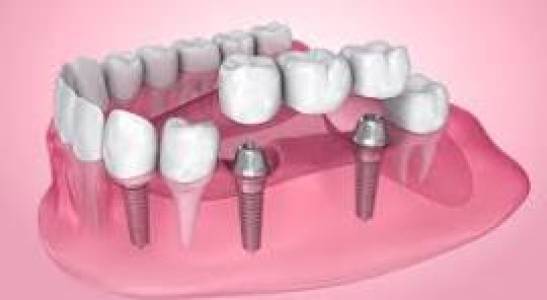
The only alternative to a root canal for an infected tooth is extraction (removing the tooth). However, tooth extraction requires a subsequent procedure (like an implant or bridge) to prevent surrounding teeth from shifting and to restore chewing function, which can be more complex and costly.
Don't Let Tooth Pain Dictate Your Life!
If you are experiencing persistent tooth pain, sensitivity, or swelling, it's crucial to seek professional dental care immediately. A timely root canal can save your tooth and alleviate your discomfort.
Contact [Your Dental Practice Name] today at [Your Phone Number] or schedule an appointment online at [Your Website Link] for a consultation. Let us help you regain your healthy, pain-free smile!
Disclaimer: This product description is for informational purposes only and does not constitute medical advice. Please consult with a qualified dental professional for a diagnosis and personalized treatment plan. Individual results may vary.