Description
Root Canal Treatment: Preserving Your Natural Smile & Relieving Pain
Overview
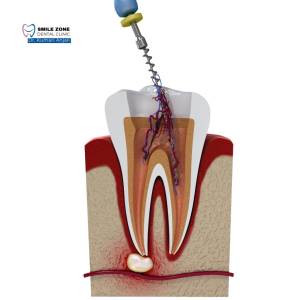
Root canal treatment, also known as endodontic treatment, is a highly effective dental procedure designed to save a tooth that has been severely damaged by deep decay, fractures, or infection. When the soft inner part of your tooth – the pulp – becomes inflamed or infected, it can cause severe pain and lead to serious oral health issues. Our advanced root canal therapy aims to eliminate the infection, relieve your pain, and restore the tooth's health and functionality, allowing you to keep your natural tooth for many years to come.
Key Features & Benefits
- Pain Relief: The primary benefit is the dramatic reduction or complete elimination of the severe toothache and discomfort caused by an infected or inflamed pulp.
- Tooth Preservation: Instead of extraction, root canal treatment allows you to keep your natural tooth, which is always the best option for maintaining proper bite, chewing function, and the natural alignment of your other teeth.
- Prevents Further Infection: By removing the infected pulp and sealing the root canals, the procedure stops the spread of bacteria, preventing abscess formation and protecting surrounding teeth and bone.
- Restores Functionality: Once treated and properly restored (often with a crown), the tooth can function normally, allowing you to chew, speak, and smile with confidence.
- Aesthetically Pleasing: With the appropriate final restoration (filling or crown), the treated tooth will blend seamlessly with your natural smile.
- Long-Term Solution: With good oral hygiene and regular dental check-ups, a root canal-treated tooth can last a lifetime.
- Modern & Comfortable: Utilizing advanced techniques, local anesthesia, and often sedation options, modern root canal therapy is far more comfortable and efficient than many people anticipate.
When Is a Root Canal Needed? (Indications)
You may need root canal treatment if you experience any of the following symptoms:
- Persistent, Severe Tooth Pain: Especially when chewing or applying pressure, or pain that wakes you up at night.
- Prolonged Sensitivity: Lingering sensitivity to hot or cold temperatures, even after the stimulus has been removed.
- Swelling and Tenderness: Swelling in the gums around the affected tooth, or tenderness when touching the tooth or surrounding gums.
- Pimple-Like Bump on the Gums (Fistula): This indicates an abscess and drainage of pus.
- Tooth Discoloration: A darkening or yellowing of the tooth, often due to pulp necrosis.
- Deep Decay or Crack: A cavity or fracture that has reached the pulp chamber, exposing it to bacteria.
The Procedure: What to Expect
Root canal treatment is typically performed in one or two appointments, depending on the complexity of the case and the extent of the infection.
- Diagnosis & Anesthesia:
- The dentist will examine your tooth and take X-rays to confirm the diagnosis and assess the extent of the infection.
- Local anesthesia will be administered to numb the tooth and surrounding area, ensuring a pain-free experience.
- Access Opening:
- A small opening is created in the crown of the tooth to access the pulp chamber and root canals.
- Cleaning & Shaping:
- The infected or inflamed pulp is carefully removed from the pulp chamber and root canals using specialized instruments.
- The canals are then cleaned, disinfected, and shaped to prepare them for filling.
- Filling & Sealing:
- After thorough cleaning, the empty root canals are filled with a biocompatible, rubber-like material called gutta-percha, often combined with an adhesive sealer.
- This seals the canals to prevent future bacterial invasion.
- Restoration:
- A temporary filling is placed in the access opening to protect the tooth.
- In most cases, a permanent restoration, such as a dental crown, is recommended to protect the treated tooth from fracture and restore its full function and appearance. This usually happens at a subsequent appointment.
Why Choose Us for Your Root Canal Treatment?
- Experienced Endodontists & Dentists: Our team comprises highly skilled and experienced professionals dedicated to providing the highest standard of care.
- Advanced Technology: We utilize state-of-the-art equipment, including digital X-rays, microscopes, and advanced rotary instruments, for precise and efficient treatment.
- Patient-Centered Comfort: Your comfort is our priority. We offer various comfort options, including local anesthesia and sedation, to ensure a relaxed and stress-free experience.
- Personalized Treatment Plans: We develop customized treatment plans tailored to your specific needs, ensuring optimal results and long-term success.
- Gentle & Compassionate Care: We understand dental anxiety and strive to create a calm and supportive environment for all our patients.
Post-Procedure Care & Expectations
- It's normal to experience some mild discomfort or sensitivity for a few days after the procedure, especially if there was pre-existing infection. This can usually be managed with over-the-counter pain relievers.
- Avoid chewing on the treated tooth until your permanent restoration (crown) is in place, as the tooth may be more brittle before the final restoration.
- Maintain excellent oral hygiene with regular brushing and flossing.
- Attend your follow-up appointments for the placement of your permanent crown or filling.
Take the First Step Towards Pain Relief!
Don't let tooth pain dictate your life. If you're experiencing symptoms of an infected or damaged tooth, a root canal may be the solution you need to restore your oral health and comfort.
Contact us today to schedule a consultation and see if root canal treatment is right for you.
[Your Clinic Name] [Your Phone Number] [Your Website/Email Address] [Your Clinic Address]
Disclaimer: This information is for general educational purposes only and should not be considered medical advice. Always consult with a qualified dental professional for diagnosis and treatment recommendations tailored to your individual needs.