
Are you experiencing persistent tooth pain, sensitivity, or swelling that just won't go away? You might be suffering from an infected tooth, and advanced root canal therapy could be the solution you need to find relief and save your natural tooth.
At [Your Practice Name], we specialize in gentle, effective root canal treatments designed to alleviate your discomfort and restore your oral health. Despite common misconceptions, modern root canal procedures are often as comfortable as a routine filling, thanks to advanced techniques and anesthesia.
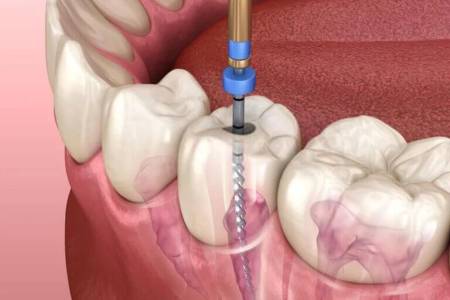
Root canal therapy, also known as endodontic treatment, is a procedure designed to remove infected or damaged pulp from inside your tooth. The pulp is the soft tissue containing nerves, blood vessels, and connective tissue, and when it becomes inflamed or infected (often due to deep decay, repeated dental procedures, cracks, or trauma), it can cause severe pain and lead to an abscess.
During a root canal, the inflamed or infected pulp is carefully removed, the inside of the tooth is thoroughly cleaned and disinfected, and then it's filled and sealed. This process saves the tooth from extraction, eliminates pain, and prevents further infection spread.
If you're experiencing any of these symptoms, it's crucial to schedule a consultation promptly to prevent further complications.
Your comfort and well-being are our top priorities. Here’s a general overview of what you can expect during your root canal procedure at [Your Practice Name]:
If you're experiencing symptoms of an infected tooth, don't delay seeking treatment. Early intervention with root canal therapy can prevent more serious complications and help you preserve your natural smile for years to come.
Ready to find relief?
Call us at: [Your Phone Number] Visit our website: [Your Website] Find us at: [Your Practice Address]
Q: Is a root canal painful? A: No. Thanks to modern anesthetics and advanced techniques, a root canal procedure is typically no more uncomfortable than a standard filling. We ensure you are completely numb before beginning. Any discomfort experienced afterward is usually mild and can be managed with over-the-counter pain relievers.
Q: How long does a root canal procedure take? A: A root canal typically takes 1 to 2 hours, depending on the complexity of the tooth (e.g., molars have more canals than front teeth) and the extent of the infection. Some complex cases might require two visits.
Q: What happens after the root canal? A: After the root canal, a temporary filling will be placed. It's crucial to return for your permanent restoration (usually a dental crown) as soon as recommended. This crown protects the treated tooth from fracture and restores its full strength and function.
Q: How long will my treated tooth last? A: With proper oral hygiene and regular dental check-ups, a tooth treated with a root canal and a permanent restoration can last a lifetime.
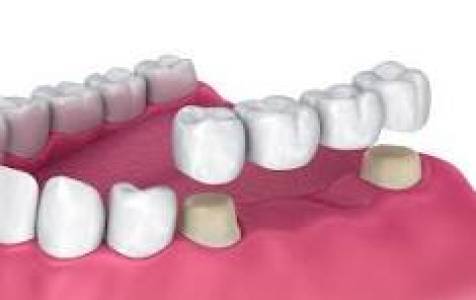
Q: Are there any alternatives to a root canal? A: The only alternative to root canal therapy for an infected tooth is extraction (removing the tooth). While extraction resolves the immediate problem, it leaves a gap that can lead to other issues like shifting teeth, difficulty chewing, and bone loss. Replacing a missing tooth with a bridge or implant is often more complex and costly than preserving your natural tooth with a root canal.
Important Disclaimer: This product description is for informational purposes only and does not constitute medical advice. The information provided is not intended to be a substitute for professional medical advice, diagnosis, or treatment. Always seek the advice of your qualified dental professional with any questions you may have regarding a medical condition or before making any decisions related to your health or treatment. Individual results may vary.