Description
Root Canal Treatment (RCT): Preserving Your Natural Smile, Alleviating Pain
What is a Root Canal?
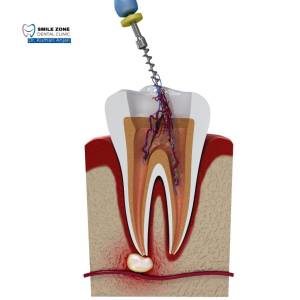
A Root Canal Treatment, often simply called a "root canal," is a highly effective dental procedure designed to save a tooth that has been severely damaged due to deep decay, cracks, or injury, leading to infection or inflammation of the tooth's innermost part – the pulp.
The pulp, located in the center of the tooth, contains nerves, blood vessels, and connective tissue. When it becomes infected or inflamed, it can cause severe pain and, if left untreated, can lead to abscess formation, bone loss, and eventually tooth loss.
During a root canal, your dentist carefully removes the damaged or infected pulp, thoroughly cleans and disinfects the inside of the tooth, and then fills and seals it to prevent further infection. The tooth is then typically restored with a crown or filling to protect it and restore its full function.
Is a Root Canal Right for You? (Symptoms & Indications)
You might need a root canal if you experience any of the following symptoms:
- Persistent Toothache: Moderate to severe pain that doesn't subside, especially when chewing or applying pressure.
- Sensitivity to Hot and Cold: Lingering sensitivity (pain lasting more than a few seconds) after consuming hot or cold foods/drinks.
- Swelling or Tenderness in Gums: Around the affected tooth.
- Pimple-Like Bump on the Gums: A "fistula" or abscess that may periodically release pus.
- Darkening or Discoloration of the Tooth: The tooth may appear grayish or darker than surrounding teeth.
- Pain Upon Palpation: Tenderness or pain when the gum area around the tooth is touched.
- Deep Decay: X-rays reveal decay extending into the pulp chamber.
- Chipped or Cracked Tooth: Leading to pulp exposure and potential infection.
- Trauma to the Tooth: An injury that has damaged the pulp, even if there's no visible crack.
Key Benefits of Root Canal Treatment
Choosing a root canal offers numerous advantages over tooth extraction:
- Pain Relief: Eliminates the source of your severe toothache and discomfort.
- Tooth Preservation: Saves your natural tooth, allowing you to keep it for many years to come.
- Prevents Infection Spread: Stops the infection from spreading to other teeth, gums, or even into your bloodstream.
- Maintains Natural Appearance: Keeps your smile intact without gaps.
- Normal Chewing and Biting: Restores full function, allowing you to eat your favorite foods comfortably.
- Protects Other Teeth: Prevents adjacent teeth from shifting into the gap that would be created by an extraction.
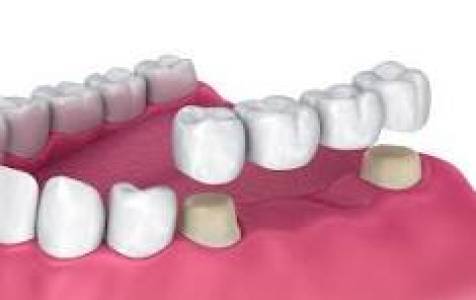
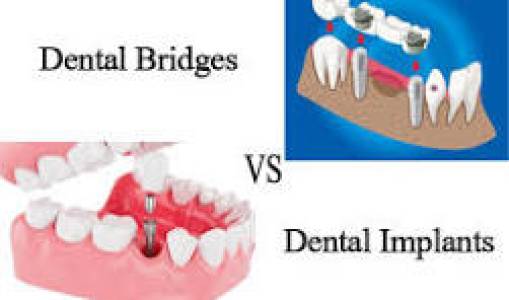
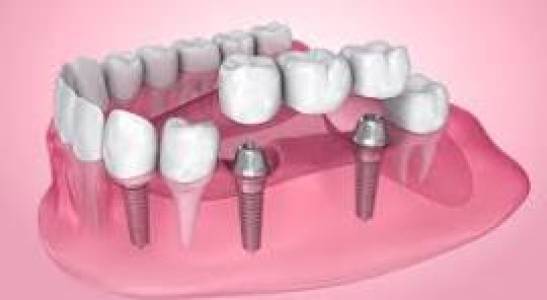
- Cost-Effective Long-Term: Often more economical than extraction followed by a bridge or dental implant.
- High Success Rate: Modern root canal procedures are highly successful and can last a lifetime with proper care.
The Root Canal Procedure: What to Expect
The root canal procedure is typically performed in one or two visits, depending on the complexity of the case and the extent of the infection.
1. Diagnosis and Anesthesia
- Examination: Your dentist will examine your tooth, take X-rays, and test its sensitivity to confirm the diagnosis.
- Local Anesthesia: The area around the affected tooth will be numbed completely, ensuring you feel no pain during the procedure. You may feel pressure, but no sharpness.
2. Access and Pulp Removal
- Dental Dam: A small protective sheet (dental dam) is placed around the tooth to keep it dry and free from saliva during the treatment.
- Access Opening: A small opening is made on the top of the tooth (for molars/premolars) or the back (for front teeth) to access the pulp chamber and root canals.
- Pulp Removal: Using specialized instruments, the infected or inflamed pulp is carefully removed from the pulp chamber and root canals.
3. Cleaning, Shaping, and Disinfection
- Cleaning & Shaping: The root canals are meticulously cleaned, disinfected, and shaped to prepare them for filling. This step removes bacteria and debris.
- Irrigation: Antiseptic solutions are used to thoroughly wash and disinfect the inside of the tooth.
4. Filling and Sealing
- Gutta-Percha: The cleaned and shaped root canals are filled with a biocompatible, rubber-like material called gutta-percha, which helps to seal the canals and prevent re-infection.
- Temporary Filling: A temporary filling is usually placed in the access opening to protect the tooth until your next visit.
5. Final Restoration (Crucial Step!)
- Permanent Restoration: In a subsequent visit, the temporary filling is removed, and the tooth is permanently restored. This usually involves placing a custom-made dental crown or a permanent filling. A crown is often recommended for back teeth and teeth with extensive damage to provide strength and protection, preventing fracture.
Post-Treatment Care and Recovery
- Mild Discomfort: It's normal to experience some mild soreness or tenderness for a few days after the procedure, especially when chewing. This can usually be managed with over-the-counter pain relievers.
- Avoid Chewing: Avoid chewing on the treated tooth until your permanent restoration (crown or filling) is in place.
- Oral Hygiene: Continue to practice excellent oral hygiene with regular brushing and flossing.
- Follow-Up: Attend all scheduled follow-up appointments with your dentist to ensure proper healing and the placement of your final restoration.
Why Choose Us for Your Root Canal?
At [Your Clinic Name/Practice Name], we understand that the thought of a root canal can be daunting. Our experienced team utilizes:
- Advanced Technology: Modern techniques and equipment for efficient and precise treatment.
- Gentle Care: Our priority is your comfort, and we take every measure to ensure a pain-free experience.
- Experienced Dentists: Highly skilled professionals dedicated to saving your natural teeth.
- Personalized Treatment Plans: Tailored to your specific needs and oral health goals.
- Clear Communication: We explain every step, so you feel informed and confident throughout your treatment.
Don't let tooth pain dictate your life. If you're experiencing symptoms that suggest the need for a root canal, early intervention is key to saving your tooth and preserving your oral health.
Contact us today at [Your Phone Number] or visit our website at [Your Website] to schedule a consultation. Let us help you achieve a healthy, pain-free smile!
Disclaimer: This information is for general educational purposes only and is not a substitute for professional medical advice. Always consult with a qualified dental professional for diagnosis and treatment of any dental condition.