Description
Here's a detailed product description for Root Canal Treatment, formatted in Markdown:
Relieve Pain, Save Your Natural Tooth: Advanced Root Canal Therapy
Are you experiencing severe tooth pain, sensitivity to hot and cold, or swelling around a tooth? Don't let dental infection compromise your health and your smile. Root Canal Therapy (also known as Endodontic Treatment) is a highly effective, modern procedure designed to eliminate pain, clear infection, and save your natural tooth from extraction.
At [Your Clinic Name], we combine cutting-edge technology with compassionate care to make your root canal experience as comfortable and successful as possible.
What is Root Canal Therapy?
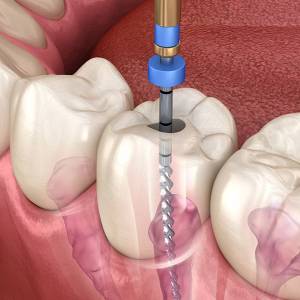
Root Canal Therapy is a specialized dental procedure performed when the pulp inside your tooth (containing nerves, blood vessels, and connective tissue) becomes infected or inflamed. This can happen due to deep decay, repeated dental procedures, cracks, chips, or trauma to the tooth.
During the treatment, our skilled dentists will:
- Remove the infected or inflamed pulp.
- Carefully clean and shape the inside of the root canal.
- Fill and seal the space with a biocompatible material (gutta-percha).
- Restore the tooth with a crown or filling to protect it and return it to full function.
Why Choose Root Canal Therapy?
Choosing Root Canal Therapy offers numerous benefits:
- Immediate Pain Relief: Eliminates the excruciating pain caused by infected pulp.
- Save Your Natural Tooth: Prevents the need for extraction, preserving your natural smile and bite alignment.
- Prevent Further Infection: Stops the spread of bacteria to other teeth and surrounding bone.
- Restore Chewing Function: Allows you to chew comfortably and effectively on the treated tooth.
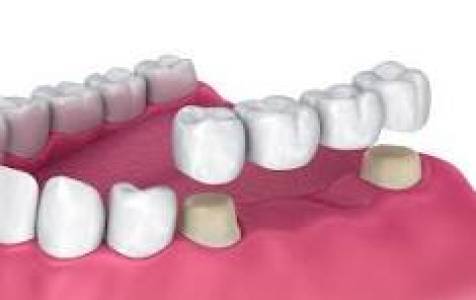
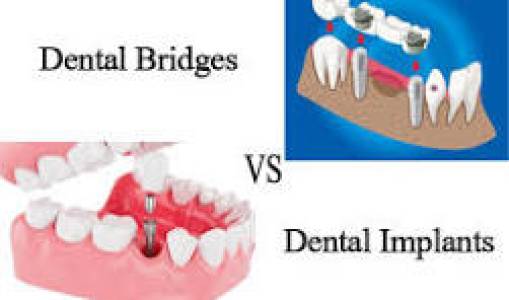
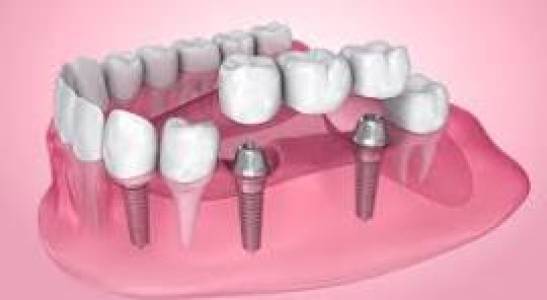
- Maintain Aesthetics: Keeps your natural tooth in place, avoiding gaps or the need for more complex replacements like bridges or implants.
- Long-Term Solution: With proper care and a protective restoration (like a crown), a treated tooth can last a lifetime.
When You Might Need a Root Canal
Common symptoms that indicate the need for Root Canal Therapy include:
- Persistent Tooth Pain: Ranging from mild sensitivity to severe, throbbing pain that keeps you awake at night.
- Sensitivity to Hot and Cold: Lingering discomfort after exposure to temperature extremes.
- Swelling and Tenderness: Around the affected tooth or in the surrounding gums.
- Pimple-Like Bump on Gums: A "fistula" or abscess indicating ongoing infection.
- Tooth Discoloration: Darkening of the tooth, suggesting nerve damage.
- Pain When Chewing or Biting: Especially noticeable on the affected tooth.
If you experience any of these symptoms, it's crucial to seek prompt dental evaluation.
Our Advanced Root Canal Process
We prioritize your comfort and the success of your treatment. Our procedure typically involves:
- Thorough Diagnosis: Using digital X-rays and clinical examination, we accurately diagnose the extent of the infection.
- Local Anesthesia: We ensure the area around your tooth is completely numb, so you won't feel any pain during the procedure.
- Isolation: A dental dam is placed around the tooth to keep it clean and dry, protecting it from saliva and bacteria during treatment.
- Access Opening: A small opening is made in the crown of the tooth to access the pulp chamber and root canals.
- Cleaning and Shaping: Using specialized instruments and irrigating solutions, the infected pulp is removed, and the canals are thoroughly cleaned and shaped.
- Filling and Sealing: The cleaned canals are filled with a sterile, rubber-like material called gutta-percha and sealed to prevent re-infection.
- Temporary Restoration: A temporary filling is placed to protect the tooth until your permanent restoration.
- Permanent Restoration (Crown): In most cases, a dental crown is recommended after root canal therapy to protect the treated tooth from fracture and restore its full function and appearance.
Post-Treatment Care & Expectations
- Mild Sensitivity: It's normal to experience some mild sensitivity or tenderness for a few days after the procedure, which can be managed with over-the-counter pain relievers.
- Avoid Hard Chewing: Until your permanent crown or filling is placed, avoid chewing on the treated tooth to prevent fracture.
- Oral Hygiene: Continue your regular brushing and flossing routine.
- Follow-Up: Attend your scheduled appointment for the final restoration to ensure the long-term success of your root canal.
Why Choose [Your Clinic Name] for Your Root Canal?
- Experienced & Gentle Dentists: Our team is highly trained in modern endodontic techniques, focusing on patient comfort.
- State-of-the-Art Technology: We utilize advanced tools like digital X-rays, rotary instruments, and apex locators for precise and efficient treatment.
- Patient-Centered Approach: We take the time to explain every step, address your concerns, and ensure a calm and relaxed environment.
- Sterilization Excellence: Adherence to the highest standards of sterilization and infection control for your safety.
- Comprehensive Care: From diagnosis to the final restoration, we provide complete care under one roof.
Ready to Find Relief?
Don't let a damaged tooth compromise your comfort and oral health. Root Canal Therapy is a proven way to alleviate pain and preserve your natural smile.
Contact [Your Clinic Name] today at [Phone Number] or visit our website at [Website Address] to schedule a consultation. Let us help you get back to a pain-free, healthy smile!
Disclaimer: This description provides general information and does not substitute professional medical advice. A thorough examination by a qualified dental professional is necessary to determine if root canal treatment is suitable for your specific condition.