Description
Dental Bridges: Restore Your Smile and Function with Confidence
Missing teeth can impact more than just your appearance; they can affect your ability to chew, speak clearly, and even lead to shifting of remaining teeth and changes in facial structure. At [Your Practice Name], we offer dental bridges as a reliable, natural-looking, and fixed solution to replace one or more missing teeth, restoring both the aesthetics and functionality of your smile.
What are Dental Bridges?
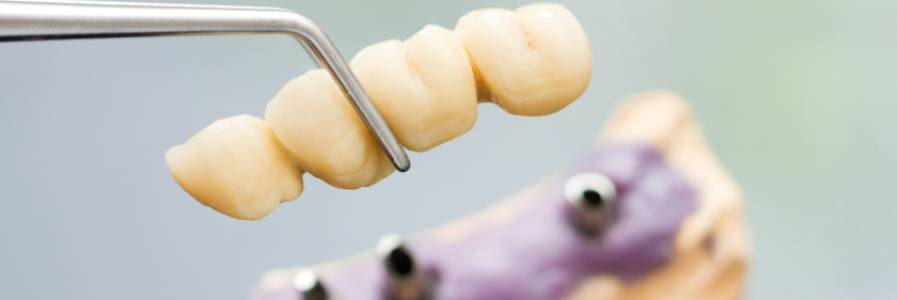
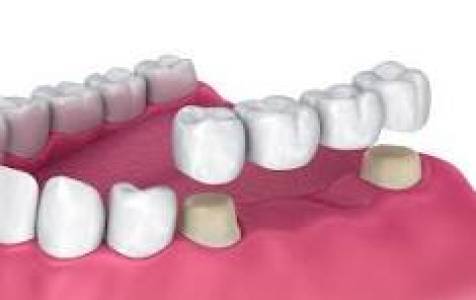
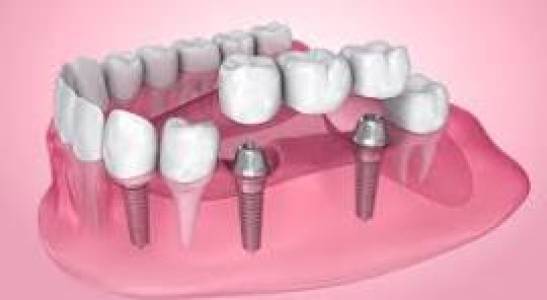
A dental bridge is a custom-made, fixed dental restoration designed to "bridge" the gap created by one or more missing teeth. It typically consists of:
- Pontics: The artificial tooth or teeth that replace the missing ones.
- Abutments: Crowns placed on the natural teeth (or dental implants) on either side of the gap. These strong, healthy teeth serve as anchors for the bridge.
The pontics and abutment crowns are crafted as a single, contiguous unit, providing a stable and durable replacement that looks and feels like your natural teeth.
Key Benefits of Choosing a Dental Bridge
Opting for a dental bridge offers a multitude of advantages for your oral health and overall well-being:
- Restore Your Smile's Aesthetics: Replaces missing teeth with natural-looking prosthetics, enhancing your facial appearance and boosting self-confidence.
- Improve Chewing Ability: Allows you to chew and bite food properly, improving digestion and nutrition.
- Enhance Speech: Missing teeth can affect pronunciation; a bridge helps restore clear speech.
- Maintain Facial Structure: Prevents the collapse of facial tissues that can occur with tooth loss, helping to preserve a more youthful appearance.
- Prevent Tooth Shifting: Keeps surrounding natural teeth from drifting into the empty space, which can lead to bite problems and further tooth loss.
- Distribute Bite Forces: Helps to evenly distribute the forces in your bite, protecting remaining teeth.
- Fixed & Permanent Solution: Unlike removable dentures, bridges are cemented into place and become a stable part of your mouth.
- Durability: With proper care, dental bridges can last 10-15 years or even longer.
Who is a Candidate for Dental Bridges?
You may be an ideal candidate for a dental bridge if you:
- Are missing one or more adjacent teeth.
- Have healthy natural teeth on either side of the gap that are strong enough to support the bridge.
- Are seeking a fixed, non-removable solution for tooth replacement.
- Maintain good overall oral hygiene.
Types of Dental Bridges
Depending on your specific needs, oral health, and the location of the missing tooth/teeth, we offer several types of dental bridges:
1. Traditional Bridges
- Description: The most common type, where crowns are placed on the two adjacent natural teeth (abutment teeth) to hold the artificial tooth (pontic) in place.
- Ideal for: Replacing one or two missing teeth when you have strong, healthy teeth on both sides of the gap.
2. Cantilever Bridges
- Description: Used when there is only one natural tooth adjacent to the missing tooth. The pontic is supported by a crown on just one abutment tooth.
- Ideal for: Areas of the mouth that experience less chewing force, typically the front teeth, as they can be more susceptible to complications due to uneven stress.
3. Maryland (Resin-Bonded) Bridges
- Description: Involves a pontic with metal or porcelain wings on either side. These wings are bonded to the back surface of the adjacent natural teeth, rather than requiring crowns.
- Ideal for: Replacing a single front tooth, as it's less invasive and preserves more of the natural tooth structure. Not typically recommended for molars due to high chewing forces.
4. Implant-Supported Bridges
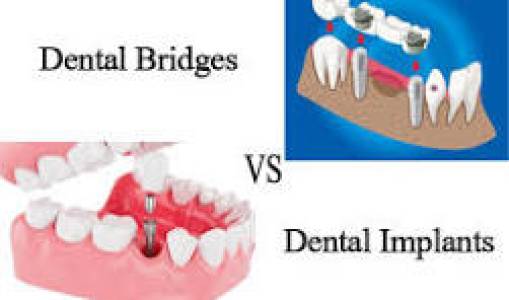
- Description: For longer spans of missing teeth, or when adjacent teeth are not strong enough to support a traditional bridge, dental implants can serve as the abutments. An implant-supported bridge is anchored by implants rather than natural teeth.
- Ideal for: Replacing multiple missing teeth without relying on natural teeth for support, offering exceptional stability and longevity.
The Dental Bridge Procedure: What to Expect
The process of getting a dental bridge typically involves two to three visits to our office:
Visit 1: Preparation & Impressions
- Consultation & Examination: We'll conduct a thorough oral examination, including X-rays, to assess your oral health and determine if a bridge is the right solution for you. We'll discuss your goals and answer any questions.
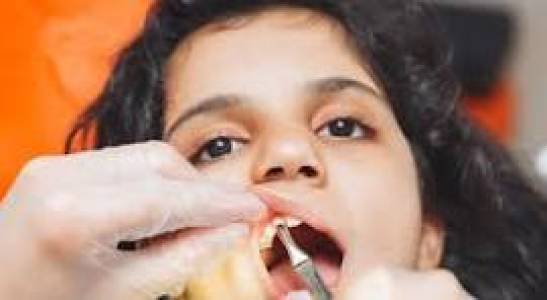
- Tooth Preparation: The natural teeth chosen to be the abutments will be gently reshaped to make room for the crowns. This involves removing a small amount of enamel from the sides and top of the teeth.
- Impressions: Highly accurate impressions (molds) of your prepared teeth and bite will be taken. These impressions are sent to a specialized dental lab where your custom bridge will be expertly fabricated.
- Temporary Bridge: A temporary bridge will be placed to protect your prepared teeth and maintain your smile while your permanent bridge is being made.
Visit 2: Placement of Permanent Bridge
- Removal of Temporary Bridge: Your temporary bridge will be carefully removed.
- Fitting & Adjustment: We will meticulously fit your permanent bridge, checking its comfort, bite, and aesthetics. Any necessary adjustments will be made to ensure a perfect fit and natural appearance.
- Cementation: Once you and our dentist are completely satisfied with the fit and look, the bridge will be permanently bonded to your abutment teeth using a strong dental adhesive.
- Some cases may require a third visit for minor adjustments after the bridge has settled.
Care and Maintenance for Your Dental Bridge
With proper care, your dental bridge can last for many years, providing a beautiful and functional smile.
- Excellent Oral Hygiene: Brush your teeth and bridge twice daily with a fluoride toothpaste. Pay special attention to the areas around the crowns and pontic.
- Flossing: Use a floss threader, interdental brush, or Super Floss to clean underneath the pontic and between the crowns and your natural teeth. This is crucial to remove food particles and plaque.
- Regular Dental Check-ups: Continue to visit [Your Practice Name] for routine check-ups and professional cleanings. We will monitor the health of your bridge and surrounding teeth and gums.
- Avoid Hard & Sticky Foods: Limit or avoid extremely hard candies, ice, popcorn kernels, and very sticky foods that could potentially damage your bridge or dislodge it.
- Address Bruxism (Teeth Grinding): If you grind or clench your teeth (bruxism), we may recommend a nightguard to protect your bridge and natural teeth from excessive wear.
Invest in Your Smile's Future
A dental bridge is a significant investment in your oral health, confidence, and quality of life. At [Your Practice Name], we are committed to providing exceptional care and crafting beautiful, durable bridges that will serve you well for years to come.
Ready to explore if a dental bridge is the right solution for your missing teeth? Contact us today to schedule your consultation!
Phone: [Your Phone Number] Email: [Your Email Address] Website: [Your Website] Address: [Your Practice Address]