Description
Here's a detailed product description for Root Canal Treatment (RCT) in Markdown format:
Root Canal Treatment (RCT): Preserve Your Natural Smile, End Your Pain
Discover Lasting Relief and Tooth Preservation
Are you experiencing persistent tooth pain, sensitivity to hot or cold, or tenderness when chewing? These could be signs of an infected or damaged tooth pulp, a condition that can lead to severe discomfort and, if left untreated, tooth loss. Our Root Canal Treatment (RCT), also known asendodontic treatment, offers a highly effective and proven solution to save your natural tooth, eliminate pain, and restore your oral health.
What is Root Canal Treatment (RCT)?
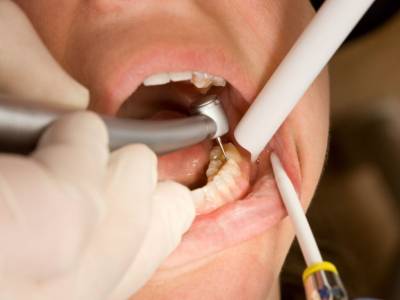
Root Canal Treatment is a sophisticated dental procedure designed to remove infected or inflamed tissue (pulp) from inside a tooth, thoroughly clean and disinfect the internal chambers, and then fill and seal the space to prevent further infection. Far from the fearful reputation it once held, modern RCT is a comfortable and routine procedure, comparable to a standard filling, thanks to advanced techniques and effective local anesthesia.
Who Needs Root Canal Treatment?
RCT is recommended when the pulp inside your tooth, containing nerves and blood vessels, becomes infected or inflamed due to:
- Deep decay: Cavities that reach the pulp.
- Repeated dental procedures: Trauma to the tooth from multiple treatments.
- Cracked or chipped teeth: Allowing bacteria to enter the pulp.
- Trauma to the tooth: An injury, even without visible chips or cracks, can damage the pulp.
Common symptoms that indicate the need for RCT include:
- Persistent and severe toothache, especially when chewing or applying pressure.
- Prolonged sensitivity to hot or cold temperatures, even after the source is removed.
- Discoloration or darkening of the tooth.
- Swelling and tenderness in the surrounding gums.
- A persistent pimple-like bump on the gums (a "gum boil" or fistula).
Key Benefits of Choosing RCT
Opting for Root Canal Treatment provides numerous advantages for your oral health and overall well-being:
- Immediate Pain Relief: Eliminates the source of your severe toothache and discomfort.
- Preserves Your Natural Tooth: Avoids the need for extraction, allowing you to keep your own tooth.
- Prevents Infection Spread: Stops bacteria from spreading to other teeth, gums, or even into the bloodstream.
- Restores Chewing Function: Allows you to chew normally and comfortably once the tooth is restored.
- Maintains Natural Appearance: Keeps your smile intact, preventing gaps or shifts that occur with tooth loss.
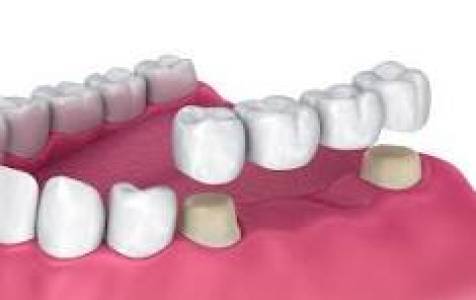
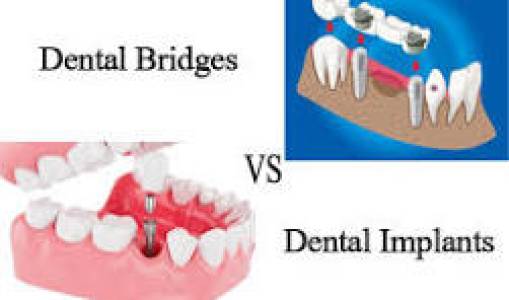
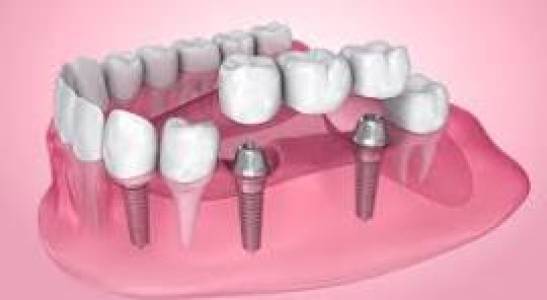
- Cost-Effective in the Long Run: Often more economical than tooth extraction followed by a bridge or dental implant.
- Long-Lasting Solution: A successfully treated and properly restored tooth can last a lifetime with good oral hygiene.
The Root Canal Treatment Process: What to Expect
Our approach to RCT is designed for your comfort and successful outcome. The procedure typically involves 1-2 appointments:
- Diagnosis and Anesthesia:
- We begin with a thorough examination, including digital X-rays, to accurately diagnose the infection.
- Local anesthesia is administered to numb the affected tooth and surrounding area, ensuring a pain-free experience.
- Access Opening:
- A small access opening is made through the crown of the tooth, allowing us to reach the infected pulp chamber.
- Pulp Removal & Cleaning:
- Using specialized instruments, the infected or damaged pulp is carefully removed from the pulp chamber and root canals.
- The canals are meticulously cleaned, shaped, and disinfected to remove all bacteria and debris.
- Filling and Sealing:
- Once cleaned and disinfected, the root canals are filled with a biocompatible, rubber-like material called gutta-percha.
- A special adhesive cement is used to seal the canals completely, preventing re-infection.
- Temporary Filling:
- A temporary filling is placed in the access opening to protect the tooth until your final restoration.
- Final Restoration (Crown/Filling):
- In a subsequent appointment, a permanent restoration (usually a dental crown or sometimes a large filling) is placed over the treated tooth. This step is crucial to protect the tooth from fracture and restore its full function and aesthetics.
Why Choose Us for Your Root Canal Treatment?
- Experienced & Gentle Dentists: Our team comprises highly skilled dentists who prioritize your comfort and deliver exceptional results.
- Advanced Technology: We utilize state-of-the-art equipment, including digital X-rays, rotary endodontic instruments, and high-magnification tools, for precise and efficient treatment.
- Patient-Centered Care: We take the time to explain every step, address your concerns, and ensure a calm and supportive environment.
- Strict Sterilization Protocols: Your health and safety are paramount; we adhere to the highest standards of sterilization.
- Comfortable Environment: We strive to make your dental experience as relaxing and stress-free as possible.
Post-Treatment Care and Recovery
After your RCT, it's normal to experience some mild tenderness or sensitivity for a few days, which can be managed with over-the-counter pain medication. We will provide detailed aftercare instructions to ensure a smooth recovery. It is vital to avoid chewing on the treated tooth until the final restoration (crown) is placed to prevent potential damage. With proper oral hygiene and regular dental check-ups, your root canal-treated tooth can serve you for many years.
FAQs about Root Canal Treatment
- Is RCT painful? Modern root canal treatment is virtually pain-free during the procedure, thanks to effective local anesthesia. Any discomfort afterward is usually mild and manageable.
- How long does the procedure take? A single RCT appointment typically lasts between 60 to 90 minutes, though complex cases may require more time or multiple visits.
- Do I need a crown after a root canal? In most cases, yes. A dental crown is highly recommended to protect the treated tooth, which can become more brittle after the pulp is removed, from fracture and restore its strength and appearance.
- What happens if I don't get a root canal? Ignoring an infected tooth can lead to worsening pain, the spread of infection to other areas, bone loss around the tooth, and ultimately, the need for tooth extraction.
- How long does a root canal-treated tooth last? With proper restoration and good oral hygiene, a root canal-treated tooth can last a lifetime.
Take the First Step Towards a Pain-Free Smile!
Don't let tooth pain or fear hold you back from enjoying a healthy, functional smile. Our team is here to provide gentle, effective, and lasting relief through Root Canal Treatment.
Contact us today to schedule your consultation and find out if RCT is the right solution for you!
[Your Clinic Name/Phone Number/Website]
Disclaimer: The information provided here is for general educational purposes only and does not constitute medical advice. Please consult with a qualified dental professional to discuss your specific condition and treatment options.