Description
Here's a detailed product description for Root Canal Treatment, formatted using Markdown:
Root Canal Treatment: Preserving Your Natural Smile and Eliminating Pain
Reclaim Your Comfort and Oral Health
Are you experiencing persistent tooth pain, sensitivity, or swelling? Root Canal Treatment (RCT), also known as endodontic treatment, is a highly effective and routine dental procedure designed to save a severely damaged or infected tooth rather than extracting it. By removing infected pulp and nerve tissue, we eliminate pain, stop the spread of infection, and restore the tooth's health and function.
Are You Experiencing These Symptoms?
A root canal may be necessary if the pulp inside your tooth (containing nerves, blood vessels, and connective tissue) becomes inflamed or infected. This can be caused by deep decay, repeated dental procedures, cracks or chips in the tooth, or trauma.
Common signs that you might need a root canal include:
- Persistent, severe tooth pain that may worsen when chewing or applying pressure.
- Prolonged sensitivity to hot or cold temperatures, even after the source is removed.
- Swelling and tenderness in the surrounding gums.
- A small, pimple-like bump on the gums near the affected tooth.
- Discoloration or darkening of the tooth.
- Pain in the jaw, ear, or temple area.
Ignoring these symptoms can lead to serious consequences, including:
- Spread of infection to other parts of your body
- Bone loss around the tip of the tooth root
- Eventual tooth loss
Your Path to Relief: Step-by-Step Procedure
Modern root canal treatments are remarkably comfortable and efficient. Here's what you can expect:
- Diagnosis & Anesthesia: We begin with a thorough examination, including X-rays, to accurately diagnose the infection. Before starting, we administer a local anesthetic to ensure the area around the tooth is completely numb, making the procedure virtually pain-free.
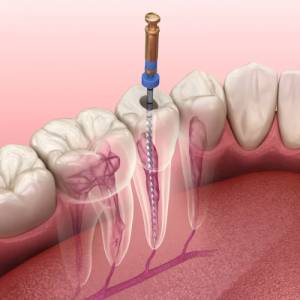
- Access Opening: A small opening is carefully made through the crown of the tooth to access the pulp chamber and root canals.
- Cleaning & Shaping: Using tiny, specialized instruments (files), the infected or inflamed pulp tissue is meticulously removed from the pulp chamber and root canals. The canals are then cleaned, disinfected, and shaped to prepare them for filling.
- Filling & Sealing: Once the canals are thoroughly cleaned and disinfected, they are filled with a biocompatible, rubber-like material called gutta-percha, often combined with an adhesive cement, to seal the canals completely and prevent future infection.
- Restoration: A temporary filling is placed to seal the access opening. A final restoration, typically a permanent filling or a dental crown, is essential to protect the treated tooth from future damage and restore its full function and appearance. This usually happens in a subsequent visit.
The Advantages of Choosing a Root Canal
Opting for root canal treatment offers numerous benefits:
- Immediate Pain Relief: Eliminates the excruciating pain caused by infected or inflamed pulp.
- Save Your Natural Tooth: Preserves your natural tooth, preventing the need for extraction and maintaining your natural bite and smile.
- Prevent Infection Spread: Stops the infection from spreading to other teeth, gums, and potentially other parts of your body.
- Maintain Oral Health: Allows you to continue chewing efficiently and speaking clearly, while maintaining the natural appearance of your teeth.
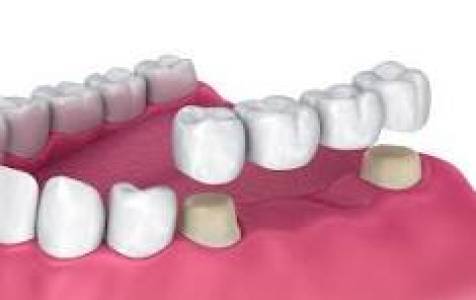
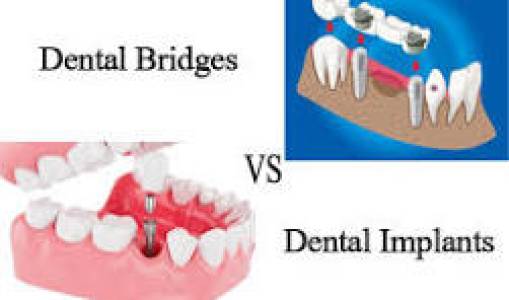
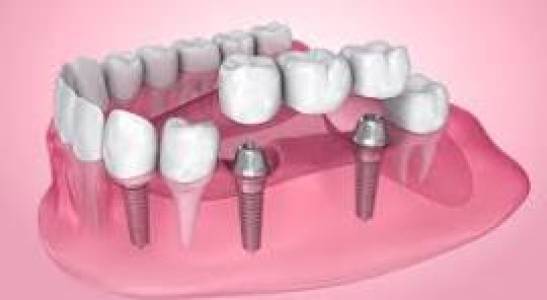
- Cost-Effective Long-Term: Often more economical than replacing an extracted tooth with an implant or bridge.
Is a Root Canal Painful? Demystifying the Procedure
One of the most common misconceptions about root canals is that they are painful. The truth is, with modern anesthetics and advanced techniques, most patients report no more discomfort than a routine dental filling. The pain you might associate with a root canal is typically the severe pain before the procedure, caused by the underlying infection. The treatment itself is designed to relieve that pain.
Post-Treatment Care: Ensuring a Smooth Recovery
After your root canal, it's normal to experience some mild soreness or sensitivity for a few days, which can be managed with over-the-counter pain medication.
Key aftercare instructions include:
- Avoid chewing on the treated tooth until your final restoration (permanent filling or crown) is placed.
- Maintain good oral hygiene by brushing and flossing regularly.
- Attend your follow-up appointment to receive your permanent crown or filling, which is crucial for the long-term success of the treatment.
A Healthy, Lasting Solution
With proper care and good oral hygiene, a root canal treated tooth can last a lifetime. A permanent crown is highly recommended after the root canal to provide strength and protection to the treated tooth, ensuring its longevity. Regular dental check-ups and cleanings are vital to monitor your oral health and ensure the continued success of your root canal.
Take the First Step Towards a Pain-Free Smile
Don't let dental pain dictate your life. If you suspect you might need a root canal, early intervention is key to preserving your tooth and preventing further complications.
Contact us today to schedule a consultation. Our compassionate and experienced team is here to answer all your questions, ease any anxieties, and provide you with the highest quality care in a comfortable environment. Let us help you regain your comfort and the health of your natural smile!
Please Note: This information is for general educational purposes only and does not constitute medical advice. Individual results may vary. Always consult with a qualified dental professional for diagnosis and treatment recommendations tailored to your specific needs.