Description
Root Canal Treatment: Expert Care to Save Your Natural Tooth & End Dental Pain
Is persistent tooth pain or sensitivity keeping you from enjoying life? Don't let dental discomfort escalate.
Root Canal Treatment (RCT), also known as endodontic treatment, is a highly effective and common dental procedure designed to save your natural tooth, relieve pain, and prevent further infection. Forget outdated myths; modern root canal therapy is often as comfortable as a routine filling, thanks to advanced techniques and effective anesthesia.
What is Root Canal Treatment?
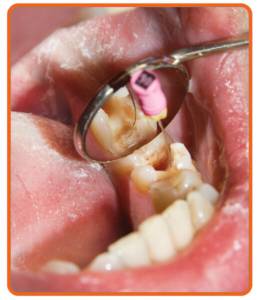
Inside each tooth, beneath the hard enamel and dentin layers, lies a soft tissue called the pulp. This pulp contains blood vessels, nerves, and connective tissue, and is vital for the tooth's growth and development.
When the pulp becomes infected or inflamed due to deep decay, repeated dental procedures, a crack in the tooth, or trauma, it can cause severe pain and discomfort. Left untreated, this infection can spread, leading to an abscess, bone loss, and eventually, the loss of the tooth.
Root Canal Treatment involves:
- Carefully removing the infected or inflamed pulp.
- Thoroughly cleaning and disinfecting the inside of the tooth's root canals.
- Filling and sealing the cleaned canals with a biocompatible material (gutta-percha) to prevent future infection.
- Restoring the tooth with a permanent filling or, more commonly, a crown, to protect it and restore its full function.
When Do You Need a Root Canal? (Indications)
You might need a root canal if you experience any of the following symptoms:
- Persistent Tooth Pain: Ranging from mild to severe, constant throbbing, or intermittent sharp pain.
- Sensitivity to Hot and Cold: Lingering sensitivity after consuming hot or cold foods/drinks.
- Swelling and Tenderness in Gums: Localized swelling around the affected tooth.
- Pimple-Like Bump on the Gums: A "fistula" indicating an active infection draining from the root.
- Tooth Discoloration: Darkening of the tooth, often indicating nerve damage.
- Pain When Chewing or Applying Pressure: Discomfort when biting down.
- Deep Decay: X-rays revealing extensive decay reaching the pulp chamber.
- Cracked or Chipped Tooth: A fracture that exposes the pulp.
- Dental Trauma: An injury to the tooth that has damaged the pulp.
The Benefits of Root Canal Treatment
Choosing root canal treatment offers numerous advantages:
- Eliminates Pain: Effectively relieves the intense pain caused by an infected pulp.
- Saves Your Natural Tooth: Preserves your natural tooth structure, preventing the need for extraction.
- Prevents Infection Spread: Stops the infection from spreading to adjacent teeth, gums, and other parts of your body.
- Maintains Chewing Function: Allows you to continue biting and chewing normally.
- Preserves Aesthetics: Keeps your natural smile intact, preventing gaps or shifting teeth.
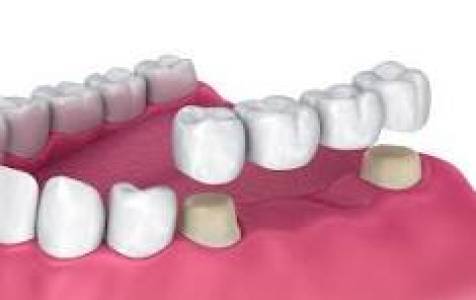
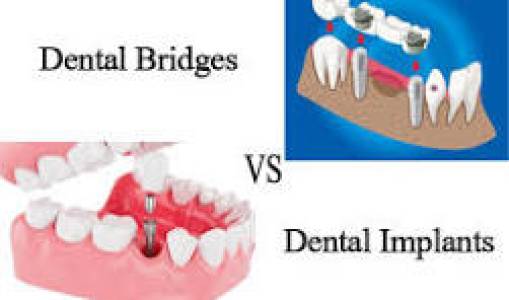
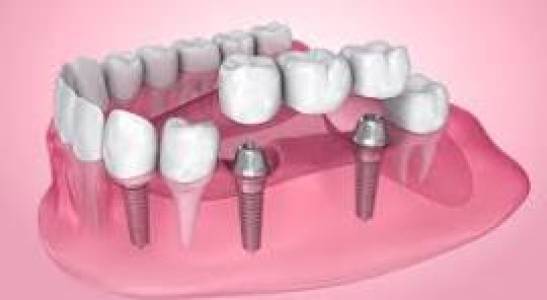
- Cost-Effective Long-Term: Often more economical than tooth extraction followed by a bridge or dental implant.
- Prevents Jawbone Deterioration: Retaining your natural tooth helps maintain the integrity of your jawbone.
Our Advanced Root Canal Procedure: What to Expect
At [Your Clinic Name], we prioritize your comfort and employ state-of-the-art techniques for effective root canal therapy.
- Thorough Diagnosis & Anesthesia: We begin with a comprehensive examination, including digital X-rays, to accurately diagnose the problem. Local anesthetic is then administered to ensure the entire procedure is pain-free.
- Access Opening: A small opening is created in the crown of the tooth to access the pulp chamber and root canals.
- Cleaning & Shaping: Using specialized, flexible instruments (often rotary files), the infected pulp is meticulously removed, and the root canals are cleaned, disinfected, and shaped to prepare them for filling. We often use advanced disinfection protocols, including irrigants and sometimes laser therapy, for superior germ elimination.
- Filling & Sealing: The cleaned and shaped canals are filled with a biocompatible rubber-like material called gutta-percha, along with an adhesive sealer, to completely seal the root canal system and prevent re-infection.
- Restoration: A temporary filling is placed in the access opening. A permanent restoration – usually a dental crown – is highly recommended and often necessary to protect the treated tooth from fracture and restore its full strength and function. This final step is crucial for the long-term success of the root canal.
Post-Treatment Care & What to Expect
- Mild Discomfort: It's normal to experience some mild tenderness or sensitivity for a few days after the procedure, which can be managed with over-the-counter pain relievers.
- Avoid Chewing: Until your permanent restoration (crown) is placed, avoid chewing on the treated tooth to prevent damage.
- Oral Hygiene: Maintain excellent oral hygiene with regular brushing and flossing.
- Follow-Up: A follow-up appointment will be scheduled to place your permanent crown or filling.
- Longevity: With proper care and regular dental check-ups, your treated tooth can last a lifetime.
Why Choose [Your Clinic Name] for Your Root Canal?
- Experienced Endodontists/Dentists: Our team comprises highly skilled and compassionate dental professionals with extensive experience in performing successful root canal treatments.
- State-of-the-Art Technology: We utilize advanced equipment, including digital X-rays, apex locators, and rotary endodontic instruments, to ensure precise, efficient, and comfortable treatment.
- Patient-Centered Comfort: Your comfort is our priority. We offer local anesthesia, blankets, and a reassuring environment to make your experience as pleasant as possible.
- Strict Sterilization Protocols: We adhere to the highest standards of sterilization and infection control for your safety.
- Comprehensive Care: From initial diagnosis to the final restoration, we provide complete care, ensuring your tooth is not only pain-free but also fully functional and aesthetically pleasing.
Don't let dental pain dictate your life or risk losing a natural tooth.
Contact [Your Clinic Name] today at [Phone Number] or [Email Address] to schedule a consultation. Our dedicated team is here to provide expert care, relieve your pain, and help you regain your oral health and comfortable smile.
Disclaimer: The information provided here is for general knowledge and informational purposes only, and does not constitute medical advice. It is essential to consult with a qualified dental professional for personalized diagnosis and treatment recommendations based on your specific condition.