Description
Dental Fillings: Restore Your Smile, Protect Your Oral Health
Overview
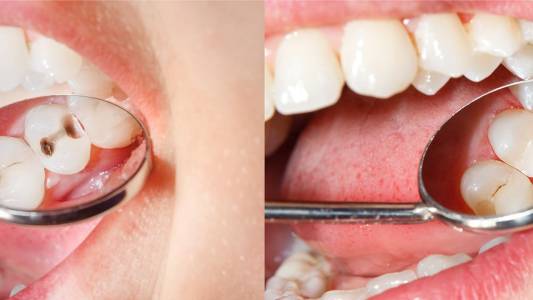
Dental fillings are a fundamental and highly effective restorative treatment designed to repair teeth damaged by decay, cracks, or fractures. By filling the void created by the removal of decayed material, or by strengthening weakened tooth structures, fillings prevent further damage, restore the tooth's original shape and function, and alleviate discomfort.
At [Your Clinic Name], we utilize the latest techniques and a range of high-quality, biocompatible materials to provide durable, aesthetic, and long-lasting dental fillings tailored to your specific needs and preferences.
What Are Dental Fillings?
A dental filling is a material used to "fill" a cavity (a hole in the tooth caused by decay) after the decayed portion of the tooth has been removed. The primary goal is to seal off the sensitive inner parts of the tooth, prevent bacteria from entering, and restore the tooth's structural integrity, allowing you to chew and speak comfortably without pain.
Why Choose Dental Fillings? (Key Benefits)
- Stop Decay Progression: Fillings remove active decay and seal the tooth, halting the progression of cavities and preventing more severe damage.
- Relieve Sensitivity & Pain: By covering exposed dentin and nerve endings, fillings effectively eliminate the pain and sensitivity often associated with cavities.
- Restore Tooth Function: They restore the tooth's natural shape, allowing for comfortable and efficient chewing and biting.
- Protect Tooth Structure: Fillings reinforce weakened teeth, preventing further cracking or fracturing that could lead to more extensive treatments like root canals or extractions.
- Improve Aesthetics: Modern tooth-colored fillings can seamlessly blend with your natural teeth, enhancing your smile without visible metallic restorations.
- Prevent Further Damage: A properly placed filling creates a smooth surface that is easier to clean, reducing the risk of new decay forming around the restored area.
Types of Dental Fillings
We offer a variety of filling materials, each with unique characteristics regarding aesthetics, durability, and cost. Your dentist will discuss the best option for your specific situation based on the location and size of the cavity, your bite, and your aesthetic goals.
1. Composite (Tooth-Colored) Fillings
- Description: Made from a mixture of plastic and fine glass particles, composite fillings are directly bonded to the tooth.
- Pros:
- Highly Aesthetic: Can be color-matched to your existing teeth, making them virtually invisible.
- Bonding: They chemically bond to the tooth structure, providing extra support and reducing the risk of leakage.
- Versatile: Can be used for small to medium-sized fillings, as well as to repair chipped or broken teeth.
- Less Tooth Removal: Often require less removal of healthy tooth structure compared to amalgam.
- Cons:
- May not be as durable as amalgam or gold for very large fillings in high-stress areas.
- Can sometimes stain over time (though more stain-resistant than in the past).
- Generally more expensive than amalgam.
2. Amalgam (Silver) Fillings
- Description: A durable and traditional filling material made from a combination of metals, including silver, tin, copper, and mercury.
- Pros:
- Exceptional Durability: Very strong and long-lasting, especially for large fillings in back teeth that endure heavy chewing forces.
- Cost-Effective: Generally the most economical filling option.
- Easy to Place: Less sensitive to moisture during placement than composite.
- Cons:
- Visible: Their silver color stands out, making them aesthetically undesirable for front teeth.
- No Bonding: Requires mechanical retention, which can sometimes involve removing more healthy tooth structure.
- Temperature Sensitivity: Can expand and contract more than tooth structure, potentially leading to cracks over time.
- Mercury Content: While deemed safe by major dental organizations, some patients prefer to avoid mercury-containing materials.
3. Gold Fillings (Inlays/Onlays)
- Description: Gold fillings are custom-made in a dental lab (indirect filling) and then cemented into place. Often referred to as inlays (within the cusps) or onlays (covering one or more cusps).
- Pros:
- Extreme Durability & Longevity: Often last 15-20 years or more, making them one of the most durable options.
- Excellent Biocompatibility: Well-tolerated by gum tissue and do not corrode.
- Precise Fit: Laboratory fabrication ensures a very accurate fit.
- Cons:
- High Cost: Significantly more expensive than other options.
- Aesthetics: The distinct gold color is not desired by all patients.
- Multiple Appointments: Requires at least two appointments for preparation and placement.
4. Ceramic (Porcelain) Fillings (Inlays/Onlays)
- Description: Similar to gold, ceramic fillings are custom-fabricated in a lab, providing a highly aesthetic and durable solution.
- Pros:
- Superior Aesthetics: Can perfectly match the natural color and translucency of your teeth, offering the most natural-looking restoration.
- Stain Resistance: Highly resistant to staining.
- Strength & Durability: Very strong and can last for many years, especially for larger restorations.
- Cons:
- High Cost: Comparable to gold in expense.
- Brittleness: While strong, porcelain can be more brittle than composite or amalgam and may chip under extreme biting forces.
- Multiple Appointments: Typically requires two visits.
The Dental Filling Procedure
- Diagnosis: Your dentist will identify the decay using visual examination, dental instruments, and X-rays.
- Anesthesia: Local anesthetic will be administered to numb the tooth and surrounding area, ensuring a comfortable experience.
- Decay Removal: The decayed or damaged tooth material is carefully removed using a dental drill.
- Preparation: The cavity is thoroughly cleaned and prepared for the chosen filling material. For composite fillings, a bonding agent is applied.
- Placement: The filling material is carefully placed into the cavity, shaped to match the tooth's natural contours.
- Curing & Finishing: For composite fillings, a special light is used to harden (cure) the material. The filling is then polished and adjusted to ensure a proper bite.
- Final Check: Your bite will be checked to ensure the filling is comfortable and does not interfere with your natural occlusion.
Caring for Your Fillings
With proper care, your dental fillings can last for many years.
- Maintain Excellent Oral Hygiene: Brush twice a day with fluoride toothpaste and floss daily to prevent new decay from forming around the filling.
- Regular Dental Check-ups: Visit [Your Clinic Name] for routine check-ups and professional cleanings every six months to monitor your fillings and overall oral health.
- Avoid Excessive Force: Be mindful of biting on very hard foods (ice, hard candies) directly on the filled tooth, especially immediately after placement.
- Address Habits: If you grind or clench your teeth (bruxism), discuss options like a nightguard with your dentist to protect your fillings and natural teeth.
Who Needs Dental Fillings?
You may need a dental filling if you have:
- Tooth Decay (Cavities): The most common reason for fillings.
- Chipped or Broken Teeth: Fillings can restore minor fractures.
- Worn-Down Teeth: Due to grinding or erosion.
- Old, Failing Fillings: To replace existing fillings that are cracked, worn, or leaking.
- Sensitive Teeth: Decay often leads to increased sensitivity.
Why Choose [Your Clinic Name] for Your Dental Fillings?
At [Your Clinic Name], we are committed to providing exceptional dental care.
- Experienced Dentists: Our team boasts extensive experience in restorative dentistry, ensuring precise and comfortable placement of your fillings.
- Advanced Technology: We utilize state-of-the-art equipment and techniques for accurate diagnosis and efficient treatment.
- Personalized Treatment: We take the time to understand your needs and recommend the best filling material and approach for your individual case.
- Patient Comfort: Your comfort is our priority, from local anesthesia to a relaxing office environment.
- Quality Materials: We use only high-quality, durable, and biocompatible materials for long-lasting results.
Schedule Your Consultation
If you suspect you have a cavity, are experiencing tooth pain, or need to replace old fillings, don't wait. Contact [Your Clinic Name] today to schedule a comprehensive examination. We'll help you restore the health, function, and beauty of your smile with the ideal dental filling solution.
Call us at [Your Phone Number] or visit our website at [Your Website Address] to book your appointment.