Description
Dental Crowns: Restore Your Smile with Strength, Beauty, and Function
Overview
A dental crown is a custom-made, tooth-shaped "cap" that is placed over a damaged, decayed, or weakened tooth. It completely covers the visible portion of the tooth, restoring its shape, size, strength, and improving its appearance. Often referred to as a "tooth cap," a crown is a vital restorative and cosmetic solution designed to protect and preserve your natural tooth structure for years to come.
Why Choose a Dental Crown? (Benefits)
Dental crowns offer a wide range of benefits, making them a cornerstone of modern dentistry:
- Restores Strength & Function: Protects weak teeth from fracturing, holds cracked teeth together, and restores the ability to chew efficiently.
- Enhances Aesthetics: Covers discolored, misshapen, or severely worn teeth, blending seamlessly with your natural smile.
- Long-Lasting Solution: With proper care, crowns can last 10-15 years or even longer.
- Supports Other Restorations: Anchors dental bridges and covers dental implants.
- Protects Post-Root Canal Teeth: After a root canal, teeth can become brittle; a crown provides essential protection.
- Covers Large Fillings: When a cavity is too large for a traditional filling, a crown offers superior protection and durability.
Indications: When Might You Need a Dental Crown?
Your dentist may recommend a dental crown for various reasons, including:
- Extensive Decay: When a cavity is too large for a conventional filling.
- Cracked or Broken Tooth: To hold fractured parts together and prevent further damage.
- Weakened Tooth: To prevent a weak tooth from breaking, especially after a large filling.
- After Root Canal Therapy: To protect the treated tooth, which can become brittle.
- Severely Worn Down Teeth: To restore the original shape and size.
- Cosmetic Enhancement: To cover severely discolored or misshapen teeth.
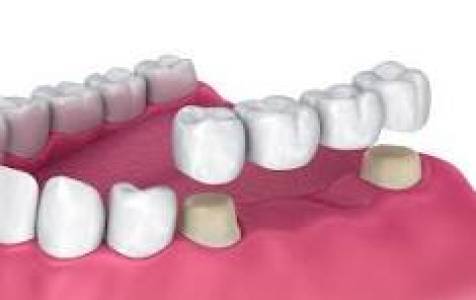
- Anchor for a Dental Bridge: To support artificial teeth that replace missing ones.
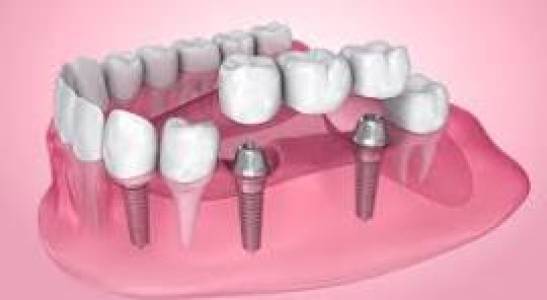
- Cover for a Dental Implant: To serve as the visible, functional part of an implant.
Types of Dental Crowns (Materials)
Modern dentistry offers various materials for dental crowns, each with unique advantages. Your dentist will help you choose the best option based on the tooth's location, your aesthetic goals, and your budget.
1. All-Ceramic/Porcelain Crowns
- Description: Made entirely from porcelain or ceramic material.
- Pros: Most natural appearance, excellent for front teeth, metal-free (ideal for patients with metal allergies).
- Cons: Can be less durable than metal or zirconia, prone to chipping in some cases.
2. Zirconia Crowns
- Description: Made from zirconium dioxide, a highly durable ceramic material.
- Pros: Exceptional strength and durability, excellent aesthetics (can be tooth-colored), biocompatible, ideal for both front and back teeth.
- Cons: Can be more abrasive to opposing teeth if not polished properly.
3. E-max Crowns
- Description: Made from lithium disilicate ceramic, known for its translucency and strength.
- Pros: Superior aesthetics, very strong for an all-ceramic option, good for front teeth and certain molars.
- Cons: Can be slightly less durable than zirconia for heavy bite forces.
4. Porcelain-Fused-to-Metal (PFM) Crowns
- Description: A metal substructure (often gold alloy) with a porcelain layer fused over it.
- Pros: Strong and durable due to the metal base, good aesthetics from the porcelain layer, a good balance of strength and appearance.
- Cons: The metal margin can sometimes show as a dark line at the gumline, porcelain can chip, requires more tooth reduction.
5. Metal Crowns (Gold Alloys, Nickel-Chromium, Palladium)
- Description: Made entirely of metal alloys.
- Pros: Extremely strong, highly durable, very long-lasting, requires minimal tooth reduction, least wear on opposing teeth.
- Cons: Distinctive metallic appearance (not aesthetic for visible teeth), more expensive (especially gold).
The Dental Crown Procedure
Receiving a dental crown typically involves two visits, though some practices offer single-visit crowns using CAD/CAM technology (e.g., CEREC).
Visit 1: Preparation & Impression
- Numbing: The tooth and surrounding gum tissue are numbed with local anesthesia.
- Tooth Preparation: The tooth is reshaped by filing down the enamel to make room for the crown. The amount removed depends on the crown material.
- Impression: A highly accurate impression (either traditional putty or digital scan) of your prepared tooth, as well as the opposing jaw, is taken. This impression is sent to a dental lab.
- Temporary Crown: A temporary crown, usually made of acrylic, is placed over your prepared tooth to protect it while your permanent crown is being fabricated.
Lab Fabrication (1-2 Weeks)
- A skilled dental technician at an off-site laboratory uses your impressions to custom-craft your permanent crown, ensuring a precise fit, optimal bite, and natural appearance.
Visit 2: Permanent Crown Placement
- Removal of Temporary Crown: The temporary crown is carefully removed.
- Cleaning: The underlying tooth is thoroughly cleaned.
- Fit & Bite Check: Your new permanent crown is carefully placed on your tooth to check its fit, bite (occlusion), and aesthetics. Adjustments can be made at this stage.
- Permanent Cementation: Once you and your dentist are satisfied, the crown is permanently bonded to your tooth using a strong dental cement.
Aftercare & Maintenance
To maximize the lifespan of your dental crown and maintain excellent oral health:
- Maintain Excellent Oral Hygiene: Brush twice a day and floss daily, paying special attention to the gum line around the crown.
- Regular Dental Check-ups: Visit your dentist for professional cleanings and examinations at least twice a year.
- Avoid Hard Foods: Be cautious with very hard or sticky foods (e.g., hard candy, ice, certain nuts) that could potentially chip or dislodge the crown.
- Address Bruxism: If you clench or grind your teeth (bruxism), your dentist may recommend a nightguard to protect your crown and natural teeth.
- Promptly Report Issues: If your crown feels loose, uncomfortable, or you experience pain, contact your dentist immediately.
FAQs about Dental Crowns
- Is getting a crown painful? The procedure is performed under local anesthesia, so you won't feel pain during the preparation. You might experience some mild sensitivity or soreness after the numbing wears off, which can be managed with over-the-counter pain relievers.
- How long do dental crowns last? With proper care and good oral hygiene, dental crowns can last between 10 to 15 years, and sometimes even longer. The lifespan depends on the material, your bite, oral habits, and overall oral health.
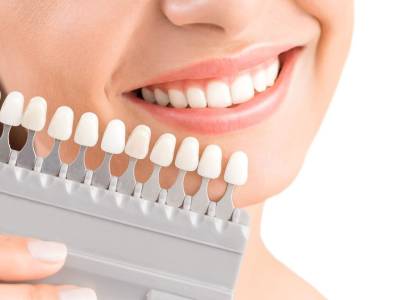
- Will my crown look natural? Yes, especially with modern all-ceramic, zirconia, or E-max crowns. They are custom-matched to the color, shape, and size of your existing teeth for a seamless and natural appearance.
- Can a crowned tooth get a cavity? Yes, the tooth underneath the crown is still susceptible to decay, particularly at the margin where the crown meets the tooth. This is why excellent oral hygiene is crucial.
- How much do dental crowns cost? The cost varies significantly based on the material chosen, the complexity of the case, and your geographic location. Most dental insurance plans cover a portion of the cost. We recommend discussing financial options during your consultation.
Schedule Your Consultation
If you have a damaged, weakened, or aesthetically compromised tooth, a dental crown could be the ideal solution to restore its strength, function, and beauty.
Contact us today to schedule a comprehensive consultation and determine if a dental crown is right for you! Our experienced team is dedicated to providing personalized care and helping you achieve a healthy, radiant smile.