Description
Dental Bridge: Restore Your Smile with Confidence
Missing teeth can impact more than just your appearance; they can affect your ability to chew, speak clearly, and even influence the health of your remaining teeth. A dental bridge offers a durable, fixed solution to bridge the gap created by one or more missing teeth, restoring both the function and aesthetics of your smile.
What is a Dental Bridge?
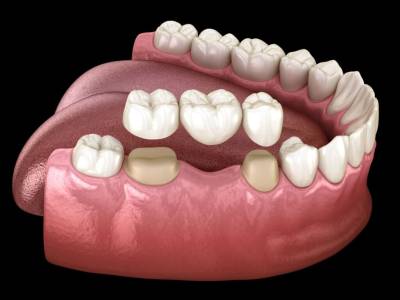
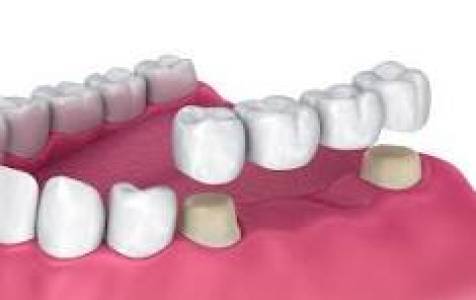
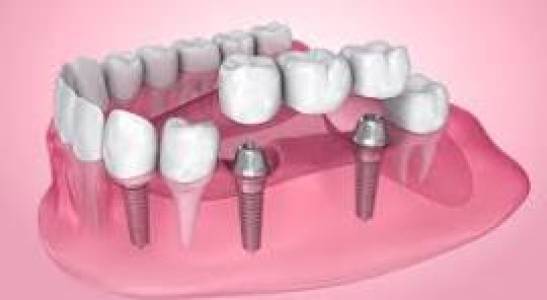
A dental bridge is a custom-made prosthetic device designed to replace one or more missing teeth. It "bridges" the space where teeth are absent by using the adjacent natural teeth (or dental implants) as anchors. These anchoring teeth, called abutment teeth, are crowned, and a false tooth (or teeth), known as a pontic, is suspended between them.
Dental bridges are permanently cemented in place, offering a stable and long-lasting alternative to removable partial dentures.
Materials
Bridges are typically crafted from high-quality, biocompatible materials chosen for their strength, durability, and aesthetic appeal. Common materials include:
- Porcelain: Excellent for natural aesthetics, especially in the front of the mouth.
- Ceramic: Strong and highly aesthetic, often used for entire bridges.
- Metal Alloys: (e.g., gold, palladium) Extremely strong and durable, often used for molars or as the core beneath porcelain for added strength.
- Zirconia: A modern, incredibly strong, and highly aesthetic ceramic option, offering the best of both worlds.
- Porcelain-fused-to-metal (PFM): Combines the strength of metal with the natural look of porcelain.
Why Choose a Dental Bridge?
Opting for a dental bridge provides numerous benefits for your oral health and overall well-being:
- Restores Chewing Function: Allows you to eat a wider variety of foods with comfort and ease.
- Enhances Aesthetics: Fills the gaps in your smile, improving its natural beauty and your self-confidence.
- Improves Speech: Missing teeth can affect pronunciation; a bridge helps restore clear speech.
- Prevents Tooth Shifting: Keeps neighboring teeth from drifting into the open space, which can lead to bite problems and further tooth loss.
- Maintains Facial Structure: Helps prevent the sunken facial appearance that can occur with long-term tooth loss.
- Distributes Bite Forces: Spreads the forces of your bite evenly, reducing stress on remaining teeth.
- Permanent Solution: Unlike removable dentures, bridges are fixed in your mouth, offering superior stability and convenience.
Types of Dental Bridges
The type of bridge recommended for you will depend on the number of missing teeth, the condition of your adjacent teeth, and your specific oral health needs.
Traditional Bridge
- Description: The most common type, used when you have natural teeth on both sides of the gap. It consists of one or more pontics held in place by dental crowns cemented onto the abutment teeth.
- Ideal For: Replacing one or two missing teeth with healthy adjacent teeth that can support crowns.
Cantilever Bridge
- Description: Used when there are only natural teeth on one side of the missing tooth gap. The pontic is anchored by a crown on a single abutment tooth or two adjacent abutment teeth on one side.
- Ideal For: Areas of the mouth that experience less chewing force (e.g., front teeth), as it can put more stress on the single abutment tooth.
Maryland Bonded Bridge (Resin-Bonded Bridge)
- Description: A more conservative option, especially for front teeth. It uses metal or porcelain "wings" that are bonded to the back surface of the adjacent natural teeth, rather than requiring crowns.
- Ideal For: Replacing a single missing front tooth, where the adjacent teeth are healthy and don't require crowns, and the bite forces are not too strong. Less invasive preparation.
Implant-Supported Bridge
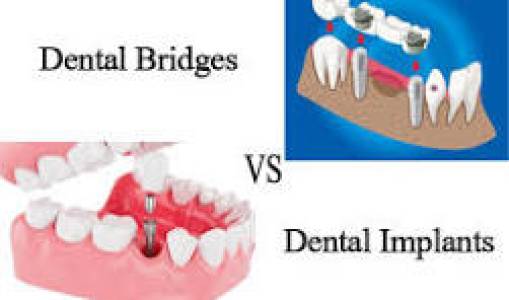
- Description: If you're missing multiple teeth, an implant-supported bridge uses dental implants (surgically placed artificial tooth roots) instead of natural teeth as abutments. Two implants are typically used to support a bridge of three or more crowns.
- Ideal For: Patients missing several teeth in a row, or those whose natural adjacent teeth are not strong enough to support a traditional bridge. Offers exceptional stability and preserves jawbone health.
The Dental Bridge Procedure
Receiving a dental bridge typically involves two or more visits to our dental office:
First Visit: Preparation & Impressions
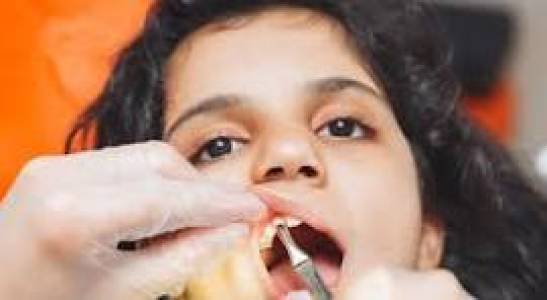
- Consultation & Planning: Your dentist will assess your oral health, discuss your options, and create a personalized treatment plan. X-rays and digital scans may be taken.
- Abutment Tooth Preparation: For traditional or cantilever bridges, the enamel of the abutment teeth is gently reshaped to create space for the crowns.
- Impressions: Highly accurate digital or traditional impressions are taken of your prepared teeth and bite. These impressions are sent to a dental laboratory, where your custom bridge will be fabricated.
- Temporary Bridge: A temporary bridge is placed to protect your prepared teeth and maintain your smile while the permanent bridge is being made.
Second Visit: Placement of Permanent Bridge
- Fitting & Adjustment: Once your permanent bridge arrives from the lab, your dentist will remove the temporary bridge and carefully fit the new one. They will check the fit, bite, and aesthetics.
- Cementation: After ensuring optimal comfort and appearance, the bridge is permanently bonded to your abutment teeth using a strong dental cement.
- Final Adjustments: Any minor adjustments needed for a perfect bite or feel are made.
Caring for Your Dental Bridge
With proper care, a dental bridge can last for many years (typically 5 to 15 years, or even longer).
- Excellent Oral Hygiene: Brush twice a day with fluoride toothpaste and floss daily. Pay special attention to cleaning under the pontic with a floss threader, interdental brush, or water flosser to prevent plaque buildup.
- Regular Dental Check-ups: Visit your dentist for professional cleanings and examinations at least twice a year.
- Healthy Diet: Limit sugary and sticky foods that can contribute to decay around the abutment teeth or potentially dislodge the bridge.
- Avoid Hard Foods: Do not chew on ice, hard candies, or other very hard objects that could damage the porcelain or structure of the bridge.
- Address Bruxism: If you grind or clench your teeth (bruxism), your dentist may recommend a nightguard to protect your bridge and natural teeth.
Is a Dental Bridge Right for You?
If you're missing one or more teeth and seeking a fixed, durable, and aesthetic solution to restore your smile and oral function, a dental bridge could be an excellent option.
The best way to determine if a dental bridge is suitable for your individual needs is to schedule a comprehensive consultation with your dentist. They will evaluate your oral health, discuss your goals, and recommend the most appropriate treatment plan for you.
Disclaimer: This product description is for informational purposes only and does not constitute medical advice. The information provided should not be used for diagnosing or treating a health problem or disease. Always consult with a qualified dental professional for personalized advice and treatment specific to your condition.