Description
Here's a detailed product description for Root Canal Treatment (RCT) formatted in Markdown:
Root Canal Treatment (RCT): Gentle, Effective Tooth Preservation & Pain Relief
Reclaim Your Comfort and Save Your Natural Smile
Are you experiencing persistent tooth pain, sensitivity, or swelling? Don't let dental discomfort dictate your life. Root Canal Treatment (RCT), also known as endodontic therapy, is a highly effective and common procedure designed to alleviate pain, eliminate infection, and save a severely damaged or infected tooth that would otherwise need extraction.
At [Clinic Name/Practice Area], we are dedicated to providing a comfortable and successful root canal experience using advanced techniques and compassionate care. Our goal is to preserve your natural tooth, restore your oral health, and get you back to smiling, eating, and speaking with confidence.
What is Root Canal Treatment?
At the core of every tooth is the dental pulp – a soft tissue containing nerves, blood vessels, and connective tissue. When this pulp becomes infected or inflamed due to deep decay, trauma, cracks, or repeated dental procedures, it can cause severe pain and lead to an abscess if left untreated.
Root Canal Treatment involves carefully removing the infected or inflamed pulp, thoroughly cleaning and disinfecting the inside of the tooth, and then filling and sealing it to prevent future infection. This process allows you to keep your natural tooth, avoiding the complications and costs associated with tooth extraction and replacement.
Do You Need a Root Canal? Common Indicators:
If you're experiencing any of the following symptoms, it's crucial to schedule a consultation with us promptly. These could be signs that your tooth pulp is compromised and requires a root canal:
- Persistent or Severe Toothache: Especially pain that radiates to your jaw, ear, or head.
- Prolonged Sensitivity: Lingering sensitivity to hot or cold temperatures, even after the stimulus is removed.
- Gum Swelling or Tenderness: Swollen, tender gums near the affected tooth.
- Pimple-like Bump (Fistula) on Gums: A recurring or persistent bump that may drain pus.
- Tooth Discoloration: Darkening of the tooth.
- Pain Upon Chewing or Pressure: Discomfort when biting down or applying pressure to the tooth.
- Visible Damage: A chip or crack in the tooth.
The Benefits of Choosing Root Canal Treatment:
- Immediate Pain Relief: Eliminates the source of your toothache.
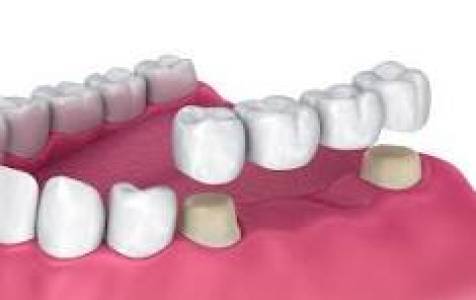
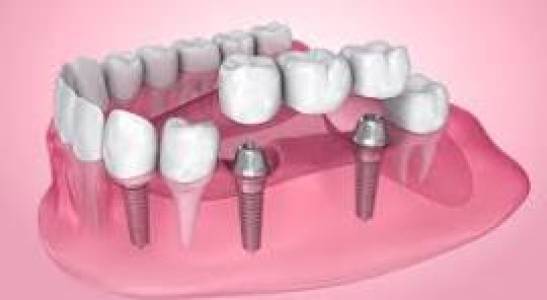
- Preserves Your Natural Tooth: Avoids the need for extraction and the subsequent issues like shifting teeth, jawbone loss, or expensive replacements (implants, bridges).
- Maintains Chewing Efficiency & Speech: Keeps your natural bite and ability to eat your favorite foods.
- Prevents Spread of Infection: Stops bacteria from spreading to other teeth, gums, and even into your bloodstream.
- Long-Lasting Solution: With proper care and a final restoration (usually a crown), a treated tooth can last a lifetime.
- Improved Aesthetics: After treatment and restoration, your tooth will look and feel natural.
Your Root Canal Procedure: What to Expect
Modern root canal treatments are often as comfortable as a routine filling. Here's a general overview of the steps involved:
- Diagnosis & X-rays: We'll start with a thorough examination, including digital X-rays, to accurately diagnose the problem and assess the extent of the infection.
- Anesthesia: Local anesthetic will be administered to numb the affected tooth and surrounding area, ensuring you feel no pain during the procedure.
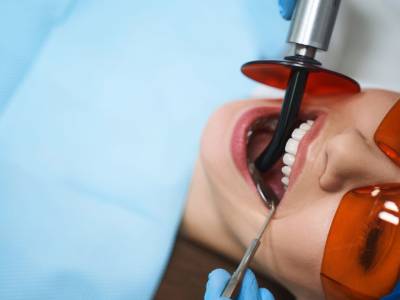
- Isolation: A dental dam (a thin sheet of latex or non-latex material) is placed around the tooth to keep it dry and free from saliva during treatment, maintaining a sterile environment.
- Access Opening: A small opening is made in the crown of the tooth to access the pulp chamber and root canals.
- Cleaning & Shaping: Tiny, specialized instruments (rotary files) are used to carefully remove the infected pulp, bacteria, and debris from the root canals. The canals are then thoroughly cleaned and shaped for filling. Irrigation solutions are used to disinfect the canals.
- Filling (Obturation): Once the canals are clean and dry, they are filled with a biocompatible, rubber-like material called gutta-percha, often combined with a sealer, to prevent reinfection.
- Temporary Filling/Restoration: A temporary filling is placed in the access opening to protect the tooth until your permanent restoration is ready.
- Permanent Restoration: In most cases, a dental crown is highly recommended after a root canal. This strengthens the treated tooth, protects it from fracture, and restores its full function and appearance.
Post-Treatment Care & Expectations:
- Mild Sensitivity: It's normal to experience some mild sensitivity or soreness for a few days after the procedure, especially when biting. This can typically be managed with over-the-counter pain relievers.
- Avoid Chewing: Until your permanent crown or filling is placed, avoid chewing on the treated tooth to prevent damage.
- Maintain Oral Hygiene: Continue your regular brushing and flossing routine.
- Follow-Up: Attend your follow-up appointment for the placement of your permanent restoration.
- Contact Us: If you experience severe pain, swelling, or notice any signs of complications, please contact us immediately.
Why Choose [Clinic Name/Us] for Your Root Canal Treatment?
- Experienced Endodontic Care: Our dentists are highly trained and experienced in advanced endodontic techniques.
- State-of-the-Art Technology: We utilize modern equipment, including digital X-rays, rotary instruments, and apex locators, for precise and efficient treatment.
- Patient Comfort Focus: We prioritize your comfort with gentle anesthetic delivery, sedation options (if needed), and a calming environment.
- Sterilization Excellence: Adherence to the highest standards of sterilization and infection control.
- Comprehensive Care: From diagnosis to post-treatment follow-up and permanent restoration, we provide complete care under one roof.
Don't Let Pain Linger!
If you suspect you may need a root canal, don't delay. Early intervention can prevent further complications and save your tooth.
Schedule your consultation today by calling [Phone Number] or [Book Online Link]. Let us help you find relief and restore your healthy smile!