Description
Root Canal Treatment: Save Your Smile, Relieve Your Pain
Gentle, Effective Relief for Infected Teeth
Often misunderstood, a Root Canal Treatment (RCT) is a highly effective, common, and virtually pain-free procedure designed to save a tooth that is badly decayed or infected. Far from being a painful ordeal, a root canal actually relieves the severe pain caused by infection and inflammation, allowing you to retain your natural tooth and maintain optimal oral health.
What is a Root Canal?
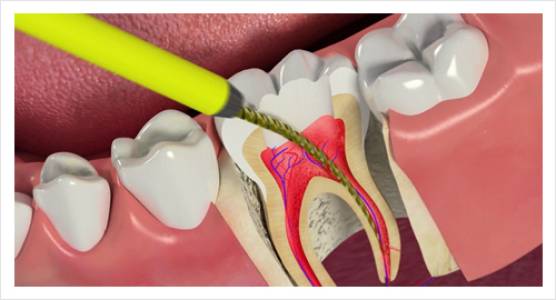
A root canal is a dental procedure that involves removing the infected or damaged pulp (the soft tissue inside your tooth containing nerves, blood vessels, and connective tissue) from the tooth's interior. After the pulp is removed, the inside of the tooth is carefully cleaned, disinfected, shaped, and then filled and sealed. This process prevents further infection and saves the natural tooth, eliminating the need for extraction.
Key Benefits of Choosing Root Canal Treatment:
- Pain Relief: Eliminates the severe pain and discomfort caused by an infected or inflamed tooth pulp.
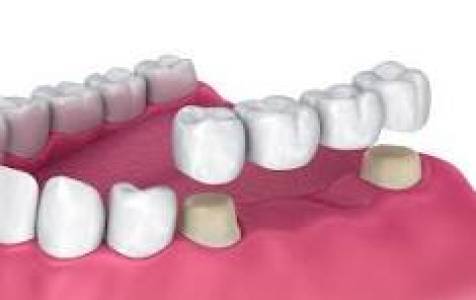
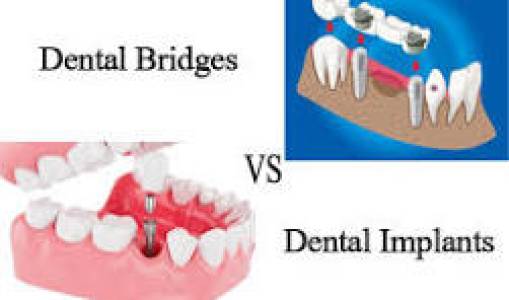
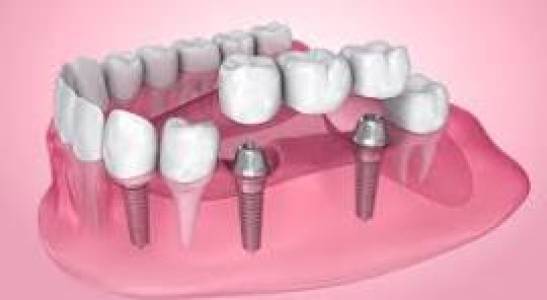
- Save Your Natural Tooth: Preserves your natural tooth, preventing the need for extraction and avoiding the complications associated with missing teeth (like shifting teeth, bone loss, or the need for bridges/implants).
- Prevent Infection Spread: Removes bacteria from the infected root canal, preventing the infection from spreading to other teeth or into your jawbone.
- Restore Chewing Function: Allows you to chew normally and comfortably once the treatment is complete and the tooth is restored.
- Maintain Natural Appearance: Keeps your natural smile intact, as the treated tooth remains in place.
- Cost-Effective Long-Term: Often more economical than tooth extraction followed by a bridge or dental implant.
- High Success Rate: Modern root canal treatments boast a success rate of over 95%, with many treated teeth lasting a lifetime.
Who Needs a Root Canal? (Indications):
You might need a root canal if you experience any of the following symptoms or conditions:
- Severe Toothache: Persistent and throbbing pain, especially when chewing or applying pressure.
- Prolonged Sensitivity: Sensitivity to hot or cold temperatures, even after the source is removed.
- Gum Swelling or Tenderness: Swollen, tender gums around the affected tooth.
- Pimples on the Gums: A recurring or persistent "pimple" on the gums, which may indicate pus draining from an infected tooth.
- Tooth Discoloration: Darkening or discoloration of the tooth.
- Deep Decay: A cavity that has reached the pulp of the tooth.
- Trauma: A chip or crack in the tooth that has exposed the pulp.
- Repeated Dental Procedures: Extensive dental work on the same tooth.
What to Expect During Your Root Canal Treatment:
Our priority is your comfort and a successful outcome. The procedure typically involves 1-2 appointments, depending on the complexity of the case.
- Diagnosis: We begin with a thorough examination, including X-rays, to assess the extent of the infection and determine if a root canal is the appropriate treatment.
- Anesthesia: The area around the affected tooth will be completely numbed using a local anesthetic, ensuring a pain-free experience throughout the procedure.
- Isolation: A rubber dam is placed around the tooth to keep it dry and free from saliva during treatment, maintaining a sterile environment.
- Access Opening: A small opening is made in the crown of the tooth to access the pulp chamber and root canals.
- Pulp Removal: The infected or inflamed pulp is carefully removed from the pulp chamber and root canals using specialized instruments.
- Cleaning & Shaping: The root canals are meticulously cleaned, disinfected, and shaped to prepare them for filling. We may use advanced rotary instruments and antiseptic solutions.
- Filling & Sealing: Once cleaned and dried, the canals are filled with a biocompatible material, typically gutta-percha, and sealed with an adhesive cement to prevent re-infection.
- Temporary Filling: A temporary filling is placed in the access opening to protect the tooth until your permanent restoration.
- Permanent Restoration: In most cases, a crown is recommended after a root canal to protect the treated tooth from fracture and restore its full function and appearance. This is done in a separate appointment.
After Your Root Canal:
- Mild Discomfort: You may experience some mild sensitivity or soreness for a few days, which can be managed with over-the-counter pain relievers.
- Care for Temporary Filling: Avoid chewing on the treated tooth until the permanent restoration is placed.
- Oral Hygiene: Continue your regular brushing and flossing routine.
- Follow-Up: Attend your follow-up appointment for the permanent crown or filling as scheduled.
Why Choose Our Clinic for Your Root Canal?
- Experienced & Compassionate Team: Our dentists are highly skilled in endodontic procedures, committed to providing gentle, effective care.
- State-of-the-Art Technology: We utilize advanced dental technology, including digital X-rays, rotary endodontics, and magnification tools, for precise and efficient treatment.
- Patient Comfort Focus: We prioritize your comfort with effective anesthesia techniques and a relaxing environment.
- Comprehensive Care: From diagnosis to final restoration, we offer complete care to ensure the long-term health of your treated tooth.
- Clear Communication: We explain every step of the process, answering all your questions and addressing any concerns you may have.
Don't Let Dental Pain Dictate Your Life!
If you are experiencing tooth pain, prolonged sensitivity, or any of the symptoms of an infected tooth, don't delay seeking professional help. A root canal can be the solution to alleviate your discomfort and preserve your natural tooth for years to come.
Contact us today to schedule a consultation and discuss your treatment options.
Disclaimer: This information is for educational purposes only and does not constitute medical advice. Please consult with a qualified dental professional for a proper diagnosis and treatment plan tailored to your specific needs.