Description
This is a detailed product description for "Stroke," presented in Markdown format, treating the medical condition as a "critical life event" requiring immediate attention and understanding.
Stroke: Every Second Counts.
A Critical Brain Event Requiring Immediate Medical Attention.
Product Name: Stroke (Cerebrovascular Accident - CVA)
Tagline: Know the Signs. Act F.A.S.T. Your Brain's Future Depends On It.
🧠 Overview: What is Stroke?
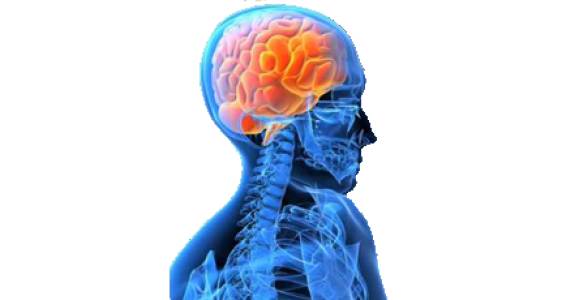
Stroke is a medical emergency that occurs when the blood supply to part of your brain is interrupted or severely reduced, depriving brain tissue of oxygen and nutrients. Within minutes, brain cells begin to die. This event can lead to permanent brain damage, long-term disability, or even death if not treated immediately. Understanding stroke is the first step in preventing its most devastating effects.
💡 Key "Features" & Types of Stroke:
While not a product you choose, understanding its variations is crucial for rapid response:
- Ischemic Stroke (The Most Common - ~87% of all strokes):
- Mechanism: Occurs when a blood vessel supplying the brain becomes blocked, often by a blood clot.
- Causes: Clots can form in arteries leading to the brain (thrombotic stroke) or travel to the brain from elsewhere in the body, often the heart (embolic stroke).
- Impact: Deprives brain tissue of blood flow, leading to cell death.
- Hemorrhagic Stroke (More Severe, Less Common - ~13% of all strokes):
- Mechanism: Occurs when a blood vessel in the brain leaks or ruptures, causing bleeding into the brain tissue.
- Causes: Often associated with uncontrolled high blood pressure, aneurysms (weak spots in blood vessels), or arteriovenous malformations (AVMs).
- Impact: Blood accumulation puts pressure on brain tissue, damaging cells and disrupting normal brain function.
- Transient Ischemic Attack (TIA) - The "Mini-Stroke":
- Mechanism: A temporary period of symptoms similar to those of a stroke, caused by a temporary decrease in blood flow to part of the brain.
- Duration: Symptoms typically last a few minutes and resolve within 24 hours.
- Significance: A TIA is a critical warning sign. It often indicates a partially blocked artery or a clot source and can precede a full-blown stroke, making immediate medical evaluation essential.
🚨 Recognizing the Warning Signs: Act F.A.S.T.™
Rapid recognition and response are paramount. Every minute counts in preserving brain function. The American Stroke Association recommends the F.A.S.T. approach:
- F - Face Drooping: Ask the person to smile. Does one side of the face droop?
- A - Arm Weakness: Ask the person to raise both arms. Does one arm drift downward?
- S - Speech Difficulty: Ask the person to repeat a simple phrase. Is their speech slurred or strange?
- T - Time to Call Emergency: If you observe any of these signs, even if symptoms disappear, call 911 (or your local emergency number) immediately. Note the time symptoms first appeared.
Additional Warning Signs (call 911 immediately if you experience any):
- Sudden numbness or weakness of the leg, arm, or face.
- Sudden confusion or trouble understanding speech.
- Sudden trouble seeing in one or both eyes.
- Sudden trouble walking, dizziness, loss of balance, or coordination.
- Sudden severe headache with no known cause.
📉 Potential "Impacts" & Long-Term Effects:
The consequences of a stroke can be wide-ranging and depend on the area of the brain affected and the extent of damage.
- Physical Disability: Paralysis or weakness on one side of the body (hemiplegia/hemiparesis), problems with balance and coordination.
- Speech & Language Problems: Difficulty speaking (aphasia), understanding speech, or forming words (dysarthria).
- Cognitive Changes: Memory loss, difficulty thinking, reasoning, or making decisions.
- Emotional & Behavioral Changes: Depression, anxiety, mood swings, changes in personality.
- Sensory Issues: Numbness, tingling, altered pain perception, vision problems.
- Swallowing Difficulties (Dysphagia): Leading to a risk of aspiration and pneumonia.
🎯 Key Risk Factors (Who is "Eligible" for Stroke):
While anyone can have a stroke, certain factors significantly increase the risk:
- High Blood Pressure (Hypertension): The most significant controllable risk factor.
- Diabetes: Increases risk of blood clots and damage to blood vessels.
- High Cholesterol: Contributes to plaque buildup in arteries (atherosclerosis).
- Smoking: Damages blood vessels and increases blood pressure.
- Obesity: Linked to high blood pressure, diabetes, and heart disease.
- Atrial Fibrillation (AFib): Irregular heartbeat that can lead to blood clots forming in the heart, which can then travel to the brain.
- Family History of Stroke or TIA: Genetic predisposition.
- Age: Risk increases significantly after age 55, but strokes can occur at any age.
- Previous Stroke or TIA: Significantly increases the risk of another stroke.
- Heart Disease: Conditions like coronary artery disease and heart failure.
- Carotid Artery Disease: Narrowing of the major arteries in the neck that supply blood to the brain.
✅ Prevention is Key (Optimize Your "Usage"):
Proactive management of risk factors is the most effective strategy against stroke.
- Maintain a Healthy Lifestyle:
- Diet: Eat a balanced diet rich in fruits, vegetables, and whole grains; limit saturated and trans fats, cholesterol, and sodium.
- Exercise: Engage in regular physical activity (e.g., 30 minutes of moderate-intensity exercise most days of the week).
- Weight Management: Maintain a healthy body mass index (BMI).
- Avoid Smoking: Quitting smoking is one of the most impactful steps.
- Moderate Alcohol Consumption: If you drink alcohol, do so in moderation.
- Manage Chronic Conditions:
- Work with your doctor to control high blood pressure, diabetes, high cholesterol, and heart disease.
- Take prescribed medications diligently.
- Regular Medical Check-ups:
- Monitor blood pressure, cholesterol, and blood sugar levels.
- Discuss any concerns or family history with your healthcare provider.
🏥 Post-Stroke Care & Rehabilitation ("Support & Recovery"):
Recovery from a stroke is often a long and challenging journey, requiring dedicated rehabilitation.
- Acute Care: Immediate medical treatment to stabilize the patient, restore blood flow (for ischemic stroke, e.g., tPA medication), or control bleeding (for hemorrhagic stroke).
- Rehabilitation: A critical phase involving a team of specialists:
- Physical Therapists: To regain movement, balance, and strength.
- Occupational Therapists: To relearn daily activities like eating, dressing, and bathing.
- Speech-Language Pathologists: To address speech, language, and swallowing difficulties.
- Neurologists: To monitor neurological recovery and manage long-term neurological health.
- Psychologists/Counselors: To help cope with emotional and cognitive changes.
- Support Groups: Offer emotional support and practical advice from others who have experienced stroke.
Don't Wait. Act F.A.S.T.
Stroke is a profound health crisis, but with knowledge and rapid response, its most devastating outcomes can often be mitigated. By understanding the signs, knowing the risk factors, and committing to preventive measures, you empower yourself and those around you.
Learn the signs, share the knowledge, and be ready to act.
Disclaimer: This information is for educational purposes only and does not constitute medical advice. If you suspect someone is having a stroke, call emergency services (e.g., 911 in the U.S.) immediately. Do not attempt to drive yourself or the person to the hospital.