Description
Here's a detailed product description for Root Canal Therapy in Markdown format, designed to be informative, reassuring, and to encourage consultation:
Root Canal Therapy: Save Your Natural Tooth & End the Pain
What is a Root Canal?
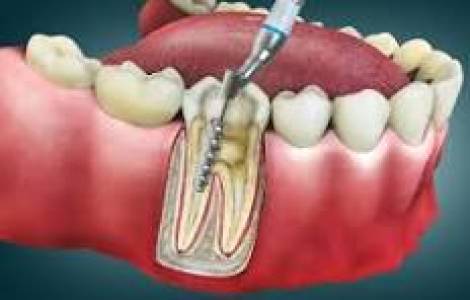
Often misunderstood, a root canal, clinically known as endodontic therapy, is a highly effective and routine dental procedure designed to save a tooth that has become severely infected, inflamed, or damaged deep within its core. Instead of extraction, this treatment removes the compromised pulp (nerve and blood vessels), thoroughly cleans and disinfects the inside of the tooth, and then seals it to prevent further infection.
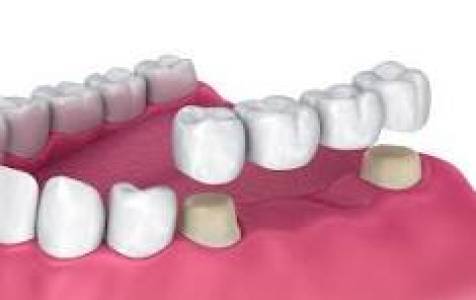
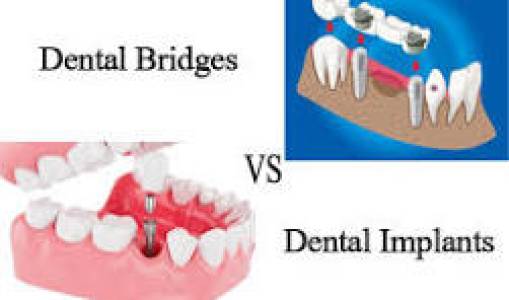
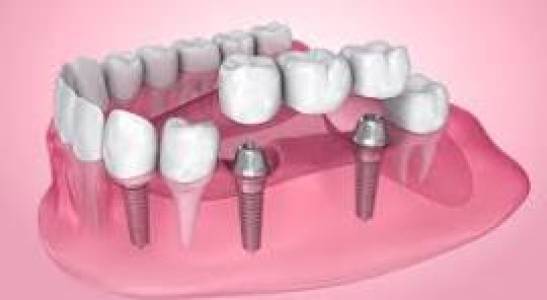
A root canal is the last line of defense for a severely compromised tooth, offering a chance to preserve your natural smile and avoid the need for bridges, implants, or dentures.
Do You Need a Root Canal? Recognizing the Signs:
You might be a candidate for root canal therapy if you experience any of the following symptoms:
- Persistent Tooth Pain: Ranging from mild sensitivity to severe, throbbing pain, especially when chewing or applying pressure.
- Prolonged Sensitivity: Sensitivity to hot or cold temperatures that lingers long after the stimulus is removed.
- Swollen, Tender Gums: Around the affected tooth.
- Pimple-like Bump (Fistula) on the Gums: Indicating an infection trying to drain.
- Tooth Discoloration: Darkening of the tooth, signaling internal damage.
- Pain When Biting or Chewing: Especially if it's sharp or persistent.
- Visible Damage: A deep chip or crack in the tooth that exposes the pulp.
If you experience any of these symptoms, it's crucial to schedule a dental examination promptly. Delaying treatment can lead to more severe pain, wider infection, and potentially tooth loss.
Key Benefits of Root Canal Therapy:
- Immediate Pain Relief: Eliminates the source of severe toothache and sensitivity, allowing you to eat and sleep comfortably again.
- Preserve Your Natural Tooth: Avoids extraction, maintaining your natural bite, alignment, and smile.
- Prevent Infection Spread: Stops the bacterial infection from spreading to other teeth or into the jawbone, protecting your overall oral and systemic health.
- Maintain Oral Health: Keeps surrounding teeth healthy and prevents shifting that can occur after tooth loss.
- Long-Term Solution: With proper restorative care (like a crown) and good oral hygiene, a root canal-treated tooth can last a lifetime.
- Advanced Comfort: Modern techniques, precise diagnostics, and local anesthesia make the procedure comfortable and virtually pain-free.
What to Expect: The Root Canal Process
Our priority is your comfort and successful outcome. The procedure is typically completed in one or two appointments and involves the following steps:
- Diagnosis & Anesthesia: We begin with a thorough examination, including digital X-rays, to accurately diagnose the problem. Local anesthesia is then administered to numb the tooth and surrounding area, ensuring a pain-free experience.
- Access Opening: A small opening is made in the crown of the tooth to gain access to the infected pulp chamber and root canals.
- Cleaning & Shaping: Using specialized, tiny instruments (files), the diseased pulp, bacteria, and debris are carefully removed from inside the tooth. The root canals are then meticulously cleaned, disinfected, and shaped to prepare them for filling.
- Filling & Sealing: The cleaned and shaped canals are filled with a biocompatible, rubber-like material called gutta-percha, which is then sealed with adhesive cement to prevent re-infection.
- Restoration: A temporary filling is placed to protect the tooth. In most cases, a dental crown will be recommended and placed at a subsequent appointment. The crown provides essential protection against fracture, restores the tooth's full function, and maintains its natural appearance.
Why Choose [Your Clinic Name] for Your Root Canal?
At [Your Clinic Name], we combine expertise with a patient-centered approach to ensure the best possible outcome for your root canal therapy:
- Experienced Endodontists/Dentists: Our team has extensive training and experience in advanced endodontic techniques, ensuring precision and efficacy.
- State-of-the-Art Technology: We utilize modern equipment, including digital X-rays, intraoral cameras, and microscopic magnification, for precise diagnosis and treatment, enhancing success rates and patient comfort.
- Comfort-Focused Care: From comfortable chairs to sedation options (if needed) and a compassionate team, we prioritize your relaxation and strive to minimize anxiety.
- Transparent Communication: We believe in empowering our patients. We will explain every step of the procedure, answer all your questions, and ensure you feel informed and confident throughout your treatment.
- Comprehensive Follow-Up: We provide clear post-treatment instructions and schedule follow-up appointments to monitor your healing and ensure the long-term success of your root canal.
Frequently Asked Questions (FAQs)
Q: Is a root canal painful? A: No. Thanks to modern anesthetics and advanced techniques, a root canal procedure is typically no more uncomfortable than getting a routine filling. In fact, it's designed to relieve the severe pain caused by the infection.
Q: How long does the procedure take? A: Most root canals can be completed in one to two appointments, typically lasting 60-90 minutes per session, depending on the tooth's complexity and the number of canals.
Q: What is the recovery like after a root canal? A: You might experience some mild soreness, tenderness, or sensitivity for a few days, which can usually be managed with over-the-counter pain relievers. We'll provide detailed aftercare instructions to ensure a smooth recovery.
Q: How successful are root canals? A: Root canal therapy has a very high success rate, often over 95%. With proper restorative care (like a dental crown) and good ongoing oral hygiene, the treated tooth can last a lifetime.
Q: Will I need a crown after a root canal? A: In most cases, yes. While the root canal treats the infection, the tooth can become more brittle after the procedure. A dental crown provides essential protection, restoring the tooth's strength, function, and aesthetic appearance.
Don't Suffer in Silence – Take the First Step!
If you're experiencing symptoms of a severe tooth infection or damage, don't delay. Early intervention can save your tooth, prevent further complications, and quickly alleviate your pain.
Contact [Your Clinic Name] today at [Phone Number] or [Link to Website/Contact Form] to schedule a consultation.
Let us help you achieve lasting relief and preserve your healthy, natural smile.
Disclaimer: This information is for educational purposes only and does not constitute medical advice. Please consult with a qualified dental professional for personalized diagnosis and treatment recommendations.