Description
Here's a detailed product description for Dental Crowns in Markdown format:
Dental Crowns: Restore Strength, Function, and Beauty to Your Smile
What is a Dental Crown?
A dental crown, often referred to as a "cap," is a custom-designed, tooth-shaped restoration that fully covers a damaged or weakened tooth above the gum line. Its purpose is to restore the tooth's original size, shape, strength, and appearance, while protecting it from further damage. Crowns are meticulously crafted to blend seamlessly with your natural teeth, ensuring both functional integrity and aesthetic harmony.
Why You Might Need a Dental Crown
Dental crowns are a versatile solution for a variety of dental concerns, including:
- Protecting a Weak Tooth: To prevent a weak tooth (e.g., from decay or cracks) from breaking, or to hold together parts of a cracked tooth.
- Restoring a Broken or Worn Tooth: To restore an already broken tooth or one that has been severely worn down due by grinding or erosion.
- Supporting a Large Filling: To cover and support a tooth with a large filling when there isn't enough natural tooth structure left.
- After Root Canal Treatment: To protect a tooth that has undergone root canal therapy, as these teeth can become brittle.
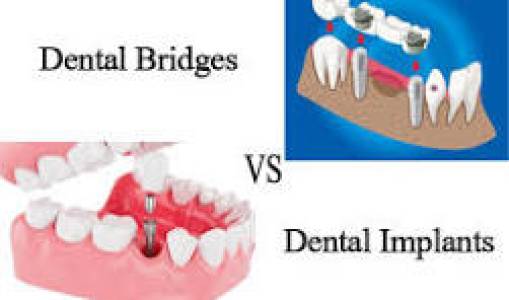
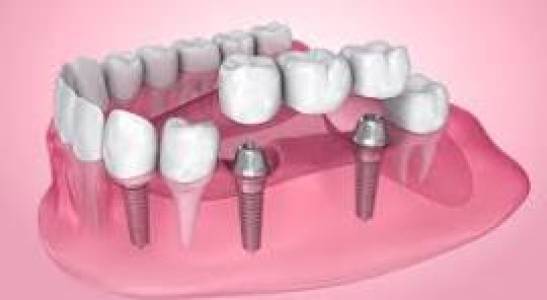
- Covering a Dental Implant: As the final restoration placed on top of a dental implant to replace a missing tooth.
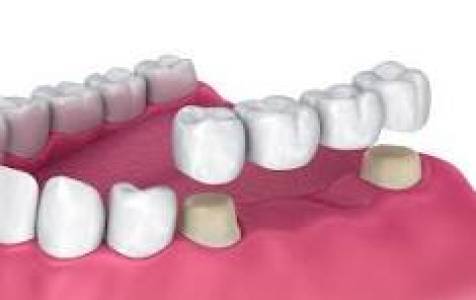
- Holding a Dental Bridge: To anchor a dental bridge in place, which replaces one or more missing teeth.
- Cosmetic Enhancement: To cover severely discolored or poorly shaped teeth, improving the overall appearance of your smile.
The Benefits of Choosing a Dental Crown
Investing in a dental crown offers numerous advantages for your oral health and well-being:
- Restores Strength & Durability: Crowns encase the entire visible portion of your tooth, providing a strong protective barrier that prevents further damage and restores your ability to chew efficiently.
- Enhances Appearance: Custom-matched to the color, shape, and size of your existing teeth, crowns blend naturally into your smile, improving aesthetics and boosting confidence.
- Improves Function: By restoring the tooth's proper form, crowns allow for comfortable and effective chewing, speaking, and biting, eliminating discomfort associated with damaged teeth.
- Long-Lasting Solution: With proper care and oral hygiene, dental crowns can last for many years, offering a durable and reliable solution.
- Prevents Further Problems: A crown acts as a shield, protecting the underlying compromised tooth from decay, fractures, and sensitivity.
Materials Used for Dental Crowns
Modern dental crowns are available in a variety of materials, each offering unique advantages in terms of aesthetics, strength, and durability. Your dentist will recommend the best material based on the tooth's location, your bite, and your aesthetic goals.
- All-Ceramic / All-Porcelain Crowns:
- Pros: Highly aesthetic, provides the most natural tooth-like appearance, ideal for front teeth and patients with metal allergies.
- Cons: Can be less durable than metal or zirconia in areas of very heavy biting force.
- Zirconia Crowns:
- Pros: Extremely strong and durable, highly aesthetic (translucent like natural teeth), excellent for both front and back teeth, biocompatible.
- Cons: Can be more abrasive to opposing teeth if not highly polished.
- Porcelain-Fused-to-Metal (PFM) Crowns:
- Pros: Offers a good balance of strength and aesthetics, with a metal base for durability and a porcelain layer for natural appearance.
- Cons: The metal margin can sometimes show as a dark line at the gum line, and porcelain can chip.
- Metal Crowns (Gold Alloys, Base-Metal Alloys):
- Pros: Exceptional strength and durability, highly resistant to fracture, requires minimal tooth reduction, biocompatible. Ideal for back molars where aesthetics are less of a concern.
- Cons: Metallic color is not aesthetically pleasing for visible teeth.
The Dental Crown Placement Process
Typically, receiving a dental crown involves two appointments:
Appointment 1: Preparation & Temporary Crown
- Consultation & Examination: Your dentist will examine your tooth, take X-rays, and discuss the best course of action.
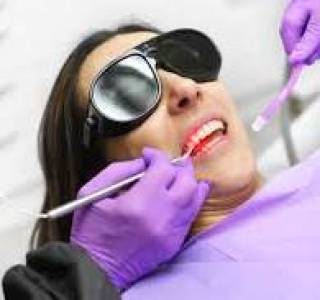
- Tooth Preparation: The tooth receiving the crown will be numbed with local anesthetic. Your dentist will then gently reshape the tooth, removing a small amount of enamel to make space for the crown.
- Impressions/Digital Scan: An impression (or digital scan) of your prepared tooth will be taken. This precise model is sent to a dental lab where your custom crown will be fabricated.
- Temporary Crown Placement: A temporary crown made of acrylic will be placed to protect your prepared tooth while your permanent crown is being made.
Appointment 2: Permanent Crown Placement
- Temporary Crown Removal: Your temporary crown will be carefully removed.
- Fit & Adjustment: Your dentist will meticulously check the fit, bite, and color of your new permanent crown. Any necessary adjustments will be made to ensure comfort and proper alignment.
- Final Cementation: Once you and your dentist are completely satisfied, the permanent crown will be securely bonded to your tooth using a strong dental cement.
Caring for Your Dental Crown
With proper care, your dental crown can last for many years:
- Maintain Excellent Oral Hygiene: Brush your teeth at least twice a day and floss daily, paying special attention to the area around your crown to prevent decay and gum disease.
- Avoid Hard & Sticky Foods: While crowns are strong, avoid chewing on extremely hard objects (like ice, hard candy, or unpopped popcorn kernels) or overly sticky foods that could potentially dislodge the crown.
- Regular Dental Check-ups: Continue with your routine dental examinations and professional cleanings every six months. Your dentist will monitor the health of your crown and the surrounding tooth structure.
- Address Bruxism: If you grind or clench your teeth (bruxism), your dentist may recommend a night guard to protect your crown and natural teeth.
Is a Dental Crown Right for You?
If you're experiencing pain, sensitivity, have a broken or severely decayed tooth, or are looking to enhance the appearance of your smile, a dental crown might be the ideal solution.
Ready to restore the strength, function, and beauty of your smile? Contact us today to schedule a consultation and discuss if a dental crown is the right treatment option for you!