Description
Professional Tooth Extraction Service
Overview
A tooth extraction is the removal of a tooth from its socket in the bone. While our primary goal is always to preserve your natural teeth, sometimes extraction is the most effective solution to alleviate pain, prevent the spread of infection, or address other complex dental issues.
At [Clinic Name/Your Practice], we understand that the idea of a tooth extraction can be daunting. Our experienced team is dedicated to making the procedure as comfortable, safe, and stress-free as possible, ensuring you receive compassionate care every step of the way.
Why Might a Tooth Need to Be Extracted?
Tooth extractions are performed for a variety of reasons, including:
- Severe Decay: When a tooth is extensively damaged by decay and cannot be repaired with fillings, crowns, or root canal therapy.
- Advanced Periodontal (Gum) Disease: Gum disease can weaken the bone and ligaments supporting a tooth, leading to looseness and necessitating removal.
- Infection: If an infection has spread to the tooth's pulp and cannot be resolved with root canal treatment, or if it poses a risk to surrounding teeth and structures.
- Impacted Teeth: Most commonly wisdom teeth that are trapped beneath the gum line or bone, causing pain, infection, or damage to adjacent teeth.
- Orthodontic Treatment: To create space in the mouth for proper tooth alignment during orthodontic procedures.
- Trauma or Injury: A tooth that has been severely fractured or damaged beyond repair due to an accident.
- Crowding: To address overcrowding in the mouth, especially if it's contributing to bite problems or difficulty cleaning.
The Procedure: What to Expect
Our approach to tooth extraction prioritizes your comfort and safety. Here's a general outline of what you can expect:
1. Initial Consultation and Diagnosis
- A thorough examination of your tooth, surrounding gums, and bone structure.
- Digital X-rays to assess the tooth's position, root structure, and proximity to nerves or sinuses.
- Discussion of your medical history and any medications you are taking.
- Explanation of the procedure, including potential risks and benefits, and answering all your questions.
2. Anesthesia and Sedation Options
- Local Anesthesia: The area around the tooth will be completely numbed, so you won't feel any pain, only pressure.
- Sedation Dentistry (Optional): For patients with anxiety or complex extractions, we offer various sedation options (e.g., nitrous oxide, oral conscious sedation, IV sedation) to help you relax throughout the procedure.
3. The Extraction Process
- Simple Extraction: For visible teeth, the dentist will carefully loosen the tooth using a specialized instrument called an elevator, and then remove it with forceps.
- Surgical Extraction: For impacted teeth, broken teeth, or those beneath the gum line, a small incision in the gum may be necessary. Sometimes, the tooth may need to be sectioned into smaller pieces for easier removal.
- Site Management: After the tooth is removed, the socket will be cleaned, and a sterile gauze pad will be placed to control bleeding and aid in clot formation. Stitches (resorbable) may be used if necessary.
Benefits of Tooth Extraction
While extraction is a last resort, it offers significant benefits when necessary:
- Pain Relief: Eliminates chronic pain and discomfort caused by infection, decay, or impaction.
- Prevention of Infection Spread: Stops infections from spreading to other teeth, gums, and even into the bloodstream.
- Improved Oral Health: Removes sources of infection and allows for better overall oral hygiene.
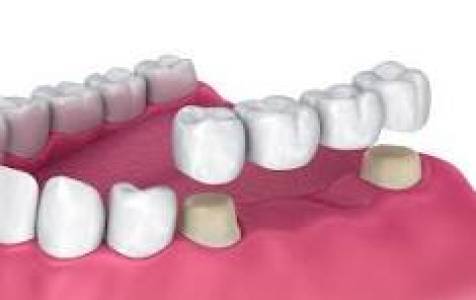
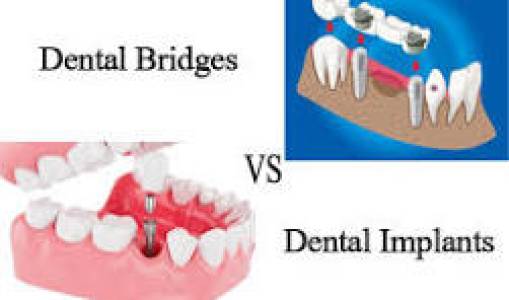
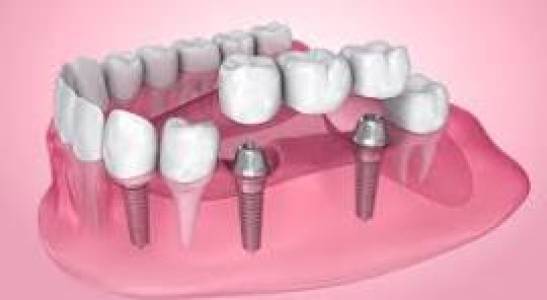
- Preparation for Restorations: Creates necessary space for orthodontic treatment, dental implants, bridges, or dentures.
- Protection of Adjacent Teeth: Prevents damage to healthy neighboring teeth from impacted wisdom teeth or severe decay.
Aftercare and Recovery
Proper aftercare is crucial for a smooth and comfortable recovery. We will provide detailed post-operative instructions, including:
Managing Bleeding
- Bite firmly on the gauze pad provided for 30-60 minutes, changing it as instructed.
- Slight oozing is normal for up to 24 hours.
Pain Management
- Take over-the-counter pain relievers (e.g., ibuprofen, acetaminophen) as directed.
- Prescription pain medication will be provided for more complex extractions.
Reducing Swelling
- Apply an ice pack to the outside of your face, 20 minutes on, 20 minutes off, for the first 24-48 hours.
Diet
- Stick to soft foods for the first few days (e.g., yogurt, soup, mashed potatoes).
- Avoid hot, spicy, crunchy, or chewy foods.
Oral Hygiene
- DO NOT rinse vigorously, spit, or use a straw for at least 24-48 hours – this can dislodge the blood clot and lead to a "dry socket."
- Brush gently around the extraction site, avoiding the wound itself.
- After 24 hours, you may gently rinse your mouth with warm salt water several times a day to keep the area clean.
Activity
- Rest for the first 24 hours.
- Avoid strenuous activity for several days to prevent increased bleeding and discomfort.
Other Important Considerations
- Avoid Smoking and Alcohol: Both can severely impede healing and increase the risk of complications.
- Follow-Up: A follow-up appointment may be scheduled to monitor your healing process.
When to Call Us
Contact us immediately if you experience:
- Severe or uncontrolled bleeding.
- Intense pain that is not relieved by medication.
- Signs of infection (e.g., fever, pus, excessive swelling, severe redness).
- Numbness that persists beyond the initial recovery period.
Why Choose [Clinic Name/Your Practice] for Your Extraction?
- Experienced Professionals: Our dentists have extensive experience in performing both simple and complex extractions with precision and care.
- Patient Comfort Focus: We utilize modern techniques and offer sedation options to ensure a calm and comfortable experience.
- Advanced Technology: We leverage state-of-the-art diagnostic tools for accurate planning and execution.
- Personalized Care: Every treatment plan is tailored to your individual needs and health status.
- Comprehensive Aftercare: We provide clear, detailed aftercare instructions and are available to address any concerns during your recovery.
Schedule Your Consultation
If you're experiencing dental pain or have been advised to have a tooth extracted, don't delay. Contact [Clinic Name/Your Practice] today to schedule a comprehensive consultation. We're here to help you regain your oral health and comfort.
[Clinic Phone Number] | [Clinic Website] | [Clinic Address]
Disclaimer: This product description is for informational purposes only and does not constitute medical advice. Always consult with a qualified dental professional for diagnosis and treatment recommendations tailored to your specific situation.