Description
Here's a detailed product description for "Root Canal" in Markdown format, designed to be informative, reassuring, and persuasive for potential patients.
Root Canal Therapy: Preserve Your Smile, Eliminate Pain
Overview
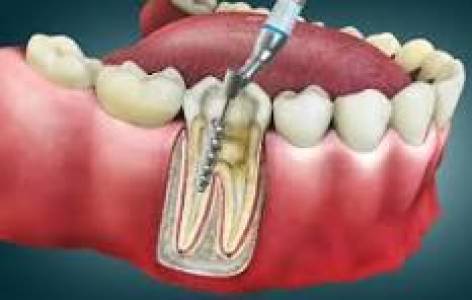
Root canal therapy, also known as endodontic treatment, is a highly effective and common dental procedure designed to save a tooth that has become infected or severely damaged. When the pulp – the soft tissue inside your tooth containing nerves, blood vessels, and connective tissue – becomes inflamed or infected, it can cause severe pain and, if left untreated, lead to tooth loss. Root canal therapy safely removes this infected pulp, cleans and shapes the inside of the root canal, and then fills and seals the space, preserving your natural tooth and restoring its health and function.
Far from being a painful experience (a common misconception), a root canal is actually designed to relieve the excruciating pain caused by the infection, allowing you to regain comfort and maintain your natural smile for years to come.
Key Features & Benefits
- Exceptional Pain Relief: The primary benefit is the immediate and long-lasting relief from the severe pain and discomfort caused by an infected tooth.
- Tooth Preservation: Saves your natural tooth, preventing the need for extraction and avoiding gaps in your smile.
- Prevents Infection Spread: Eliminates bacteria from the infected root canal, stopping the spread of infection to other teeth or jawbone.
- Maintains Natural Appearance: Keeps your natural tooth, ensuring your smile's aesthetics remain intact.
- Restores Chewing Efficiency: Allows you to chew normally and comfortably without pain or sensitivity.
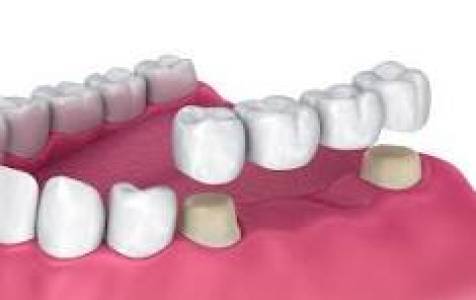
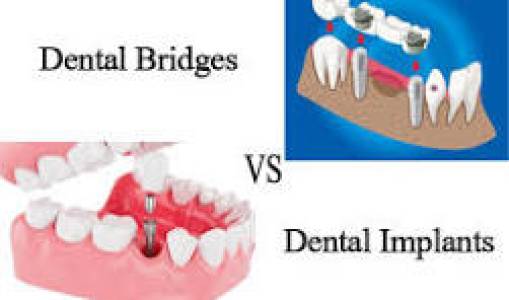
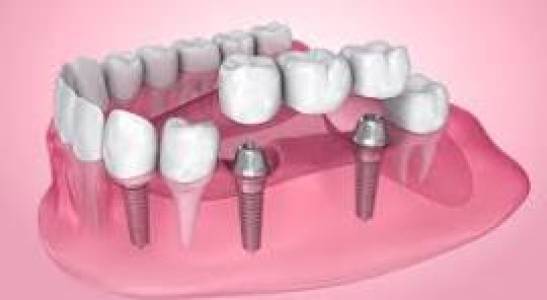
- Cost-Effective Solution: Often more affordable in the long run than tooth extraction followed by a bridge or dental implant.
- High Success Rate: Modern root canal procedures boast a very high success rate, preserving teeth for a lifetime with proper care.
Who Needs Root Canal Therapy? (Indications)
You might be a candidate for root canal therapy if you experience any of the following symptoms:
- Persistent & Severe Toothache: Especially when chewing or applying pressure.
- Prolonged Sensitivity: To hot or cold temperatures, even after the source is removed.
- Gum Swelling: Tenderness or swelling in the gums near the affected tooth.
- Pimple-like Bump (Abscess): A recurring or persistent "pimple" on the gums.
- Tooth Discoloration: Darkening of the tooth.
- Pain Upon Touch or Pressure: Discomfort when touching the tooth.
The Procedure: What to Expect
Root canal therapy is typically performed in one or two appointments and involves several steps:
- Anesthesia: Local anesthetic is administered to numb the affected tooth and surrounding area, ensuring a pain-free experience.
- Access Opening: A small opening is made in the crown of the tooth to access the pulp chamber and root canals.
- Pulp Removal: The infected or inflamed pulp is carefully removed using specialized instruments.
- Cleaning & Shaping: The inside of the root canal is thoroughly cleaned, disinfected, and shaped to prepare it for filling.
- Filling & Sealing: The cleaned canals are filled with a biocompatible material, typically gutta-percha, and sealed to prevent re-infection.
- Temporary Filling: A temporary filling is placed to seal the access opening.
- Final Restoration: In a subsequent visit (or sometimes the same one), the tooth is restored with a permanent filling or, more commonly, a dental crown to protect it from fracture and restore its full function and appearance.
Why Choose Root Canal Therapy Over Extraction?
Choosing root canal therapy allows you to:
- Avoid Jawbone Deterioration: Preventing a gap can help maintain the integrity of your jawbone structure.
- Prevent Shifting Teeth: Keeps adjacent teeth from shifting into the empty space, which can lead to bite problems.
- Maintain Overall Oral Health: Supports the health of your entire mouth by preserving the natural alignment and function of your teeth.
Post-Procedure Care & Expected Outcomes
After your root canal, it's normal to experience some mild tenderness or sensitivity for a few days, which can typically be managed with over-the-counter pain relievers. You'll receive specific instructions for care, including avoiding chewing on the treated tooth until your final restoration is in place.
With proper oral hygiene – regular brushing, flossing, and dental check-ups – your treated tooth can last a lifetime, functioning just like any other tooth.
Don't Suffer in Silence!
If you're experiencing symptoms of an infected tooth, don't delay. Root canal therapy can provide the relief you need and preserve your natural smile.
[Call to Action Button/Link] Schedule Your Consultation Today!
Disclaimer: This product description is for informational purposes only and does not constitute medical advice. Please consult with a qualified dental professional to discuss your specific condition and determine the most appropriate treatment plan for you.