Description
Root Canal Therapy: Restore, Preserve, Relieve
Product Overview
Experience freedom from dental pain and save your natural tooth with our advanced Root Canal Therapy (Endodontic Treatment). Often misunderstood, a modern root canal procedure is a highly effective and comfortable solution for treating deep tooth decay, infection, or trauma within the pulp – the soft tissue inside your tooth. Our expert team utilizes state-of-the-art technology and compassionate care to ensure a smooth, pain-free experience, allowing you to regain your oral health and smile with confidence.
Key Benefits
- Exceptional Pain Relief: Eliminate the agonizing pain caused by an infected or inflamed tooth pulp, bringing immediate comfort.
- Preserve Your Natural Tooth: Avoid extraction and maintain your tooth's natural structure, alignment, and chewing function.
- Prevent Infection Spread: Stop the infection from spreading to surrounding teeth, gums, or even into the bloodstream, protecting your overall health.
- Restore Oral Health: Eradicate the source of infection, allowing the surrounding tissues to heal and preventing further complications.
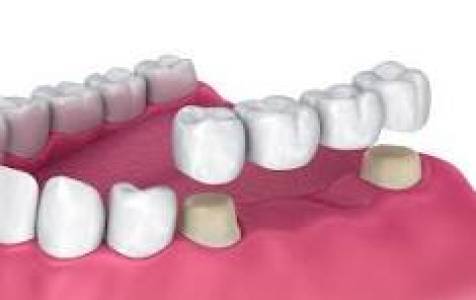
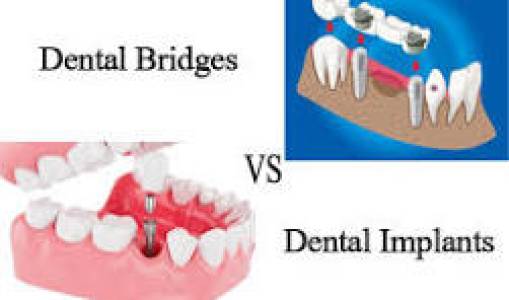
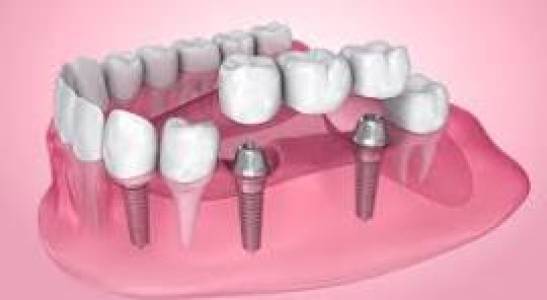
- Maintain Aesthetics & Function: Keep your natural smile intact and continue to chew and speak normally, avoiding the need for bridges or implants.
- Cost-Effective Long-Term Solution: Often a more economical choice than tooth extraction followed by a bridge or dental implant.
- High Success Rate: With proper care, a root canal-treated tooth can last a lifetime.
Who Needs Root Canal Therapy? (Indications)
Root Canal Therapy is recommended for individuals experiencing:
- Severe Toothache: Persistent pain, especially when chewing or applying pressure.
- Prolonged Sensitivity: Lingering sensitivity to hot or cold temperatures, even after the stimulus is removed.
- Gum Swelling & Tenderness: Swollen, tender gums around the affected tooth.
- Pimple-like Bumps: A persistent or recurring "pimple" on the gums (a fistula), indicating an active infection.
- Tooth Discoloration: Darkening or discoloration of the tooth.
- Deep Decay: Extensive cavities that have reached the pulp.
- Dental Trauma: A chip, crack, or injury to the tooth that has damaged the pulp.
If you are experiencing any of these symptoms, immediate dental evaluation is crucial.
What to Expect: Our Gentle Root Canal Process
We prioritize your comfort and understanding throughout every step of your root canal journey:
- Comprehensive Diagnosis:
- Examination: Our dentist will carefully examine your tooth and surrounding tissues.
- X-rays: Digital X-rays will be taken to visualize the root canals, identify the extent of the infection, and assess the bone around the tooth.
- Anesthesia:
- Local Anesthetic: The area around the affected tooth will be thoroughly numbed to ensure a completely pain-free procedure. Sedation options are also available for anxious patients.
- Access & Isolation:
- Rubber Dam: A small protective sheet (rubber dam) is placed around the tooth to keep it dry and free from saliva during treatment, maintaining a sterile environment.
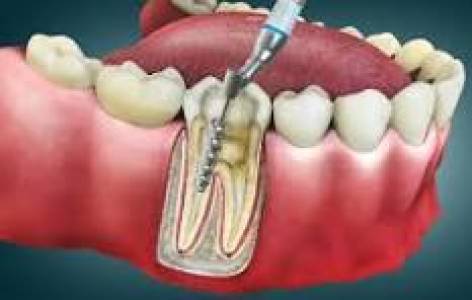
- Access Opening: A small opening is made through the crown of the tooth to access the pulp chamber and root canals.
- Cleaning & Shaping:
- Pulp Removal: The infected or inflamed pulp tissue is carefully removed using specialized instruments.
- Cleaning & Shaping: The root canals are thoroughly cleaned, disinfected, and shaped to prepare them for filling. We may use advanced rotary instruments for greater precision.
- Filling & Sealing:
- Gutta-Percha: Once disinfected, the empty root canals are filled with a biocompatible material called gutta-percha, a rubber-like compound.
- Sealing: A sterile adhesive cement is used to seal the canals completely, preventing re-infection.
- Temporary Restoration:
- A temporary filling is placed in the access opening to protect the tooth until your permanent restoration.
- Permanent Restoration (Crown):
- Crucial Final Step: After your root canal, a permanent filling or, more commonly, a dental crown is placed over the treated tooth. This step is vital to protect the tooth from future fracture, especially molars and premolars that endure significant chewing forces. Your dentist will discuss the best restorative option for your specific case.
Post-Treatment Care
- Avoid Chewing: Refrain from chewing on the treated tooth until your permanent crown or filling is placed.
- Oral Hygiene: Continue regular brushing and flossing.
- Mild Discomfort: It's normal to experience some mild discomfort or sensitivity for a few days after the procedure. Over-the-counter pain relievers can help.
- Follow-Up: Attend all scheduled follow-up appointments, especially for the placement of your permanent crown.
Why Choose Us for Your Root Canal Therapy?
- Experienced Specialists: Our team includes highly skilled dentists and endodontists (root canal specialists) with extensive experience in complex root canal procedures.
- Advanced Technology: We utilize cutting-edge equipment, including digital X-rays, apex locators, and surgical microscopes, for enhanced precision and success rates.
- Patient-Centered Comfort: Your comfort is our priority. We offer local anesthesia, sedation options, and a relaxing environment to ease any anxiety.
- Sterile & Safe Environment: We adhere to the highest standards of sterilization and infection control protocols.
- Personalized Treatment Plans: We provide thorough consultations and tailor treatment plans to your unique needs and goals.
Don't Let Tooth Pain Control Your Life!
If you suspect you need a root canal or are experiencing any severe tooth pain, don't delay. Early intervention is key to saving your tooth and preventing further complications.
Contact us today to schedule a comprehensive consultation and take the first step towards a pain-free, healthy smile!
Disclaimer: This product description provides general information about Root Canal Therapy. It is not intended to be a substitute for professional medical advice, diagnosis, or treatment. Always seek the advice of your dentist or other qualified health provider with any questions you may have regarding a medical condition. Individual results may vary.