Description
Okay, here's a detailed product description for a professional "Tooth Extraction" service, formatted in Markdown.
Professional Tooth Extraction Service
Regain Your Comfort & Restore Your Oral Health
When a tooth is severely damaged, decayed, or causing significant pain and health issues, extraction can be the most effective solution to alleviate discomfort and prevent further complications. Our professional tooth extraction service is performed with precision, care, and a strong focus on patient comfort and safety.
What is Tooth Extraction?
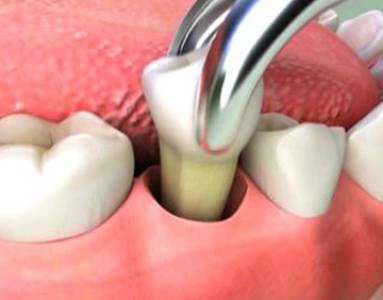
Tooth extraction is a common dental procedure involving the complete removal of a tooth from its socket in the bone. While our primary goal is always to preserve natural teeth, there are circumstances where extraction becomes the necessary course of action to protect your overall oral health and well-being.
Key Features of Our Service:
- Comprehensive Assessment: Thorough examination, digital X-rays, and 3D imaging (if necessary) to accurately diagnose the issue and plan the extraction.
- Personalized Anesthesia: A range of local anesthesia options, and in some cases, sedation dentistry (nitrous oxide, oral sedation, or IV sedation) to ensure a comfortable and pain-free experience.
- Skilled & Experienced Professionals: Our dentists and oral surgeons are highly trained in various extraction techniques, including simple and surgical extractions, with a focus on minimizing trauma.
- Minimally Invasive Techniques: Utilizing modern tools and techniques to ensure the most efficient and gentle removal possible, preserving surrounding bone and tissue.
- Sterile Environment: Adherence to the highest standards of sterilization and infection control protocols for your safety.
- Detailed Aftercare Instructions: Clear, concise verbal and written instructions for post-procedure care to promote optimal healing and prevent complications.
- Post-Extraction Support: Availability for follow-up questions or concerns during your recovery period.
Benefits You Can Expect:
- Immediate Pain Relief: Elimination of the source of acute or chronic dental pain.
- Prevention of Further Infection: Removal of infected teeth prevents the spread of bacteria to other parts of the mouth and body.
- Improved Oral Health: Resolves issues like severe decay, gum disease, or impaction, contributing to a healthier mouth.
- Preparation for Restorations: Creates necessary space for orthodontic treatment, dental implants, bridges, or dentures.
- Elimination of Crowding: Alleviates pressure caused by overcrowding, especially with wisdom teeth.
- Restored Comfort and Function: Allows you to eat, speak, and smile comfortably again.
When is a Tooth Extraction Necessary?
Tooth extraction is typically recommended in situations where a tooth cannot be saved through other restorative procedures. Common indications include:
- Severe Tooth Decay: When decay has progressed beyond repair with fillings, crowns, or root canal therapy.
- Advanced Periodontal (Gum) Disease: When infection has severely damaged the supporting bone and tissues, leading to extreme looseness of the tooth.
- Impacted Teeth: Most commonly wisdom teeth that are trapped beneath the gum line or bone, causing pain, infection, or damage to adjacent teeth.
- Orthodontic Treatment: To create space for other teeth to shift into proper alignment, reducing crowding.
- Trauma or Irreparable Fracture: When a tooth has suffered a severe injury or fracture that cannot be restored.
- Risk of Infection (Immunocompromised Patients): In patients with compromised immune systems, a diseased tooth may pose a significant health risk.
Our Extraction Process (What to Expect):
- Initial Consultation & X-rays: A thorough examination and imaging to assess the tooth's condition and surrounding structures.
- Treatment Plan Discussion: We'll discuss the procedure, anesthesia options, potential risks, and aftercare, answering all your questions.
- Anesthesia Administration: Local anesthetic is administered to numb the tooth and surrounding area, ensuring you feel no pain. Sedation options are available if desired.
- Gentle Extraction: Using specialized instruments, the tooth is carefully loosened and removed. For surgical extractions (e.g., impacted wisdom teeth), a small incision may be made, and the tooth may be removed in sections.
- Site Care: The socket is cleaned, and sutures (if necessary) may be placed to aid healing and control bleeding. Gauze is applied to promote clot formation.
- Post-Procedure Guidance: You'll receive detailed verbal and written aftercare instructions before you leave.
Post-Extraction Aftercare & Recovery:
Proper aftercare is crucial for a smooth recovery and to prevent complications like dry socket.
- Pain Management: Manage discomfort with prescribed medication or over-the-counter pain relievers as directed.
- Bleeding Control: Keep firm, consistent pressure on the gauze pad over the extraction site for 30-60 minutes, replacing as needed.
- Swelling: Apply an ice pack to the outside of your cheek for 15-20 minutes on, 15-20 minutes off, for the first 24-48 hours.
- Diet: Consume soft, cool foods and liquids for the first few days (e.g., yogurt, soup, mashed potatoes). Avoid crunchy, hot, or chewy foods.
- Oral Hygiene: Avoid rinsing vigorously for 24 hours. After that, gentle salt water rinses can help keep the area clean. Brush carefully around the extraction site.
- Activity: Rest for the first 24 hours. Avoid strenuous activity for several days.
- Crucially, avoid smoking and using straws for at least 72 hours, as these can dislodge the blood clot and lead to dry socket.
- Follow-Up: Attend any scheduled follow-up appointments.
Important Considerations:
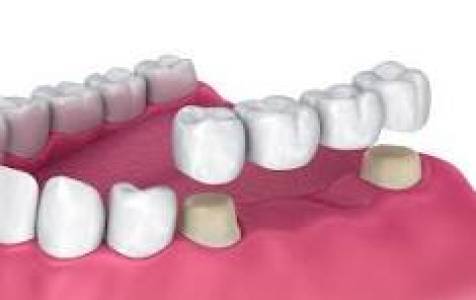
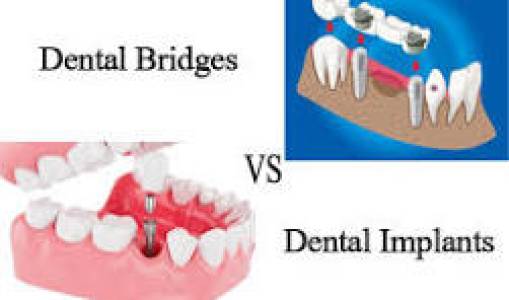
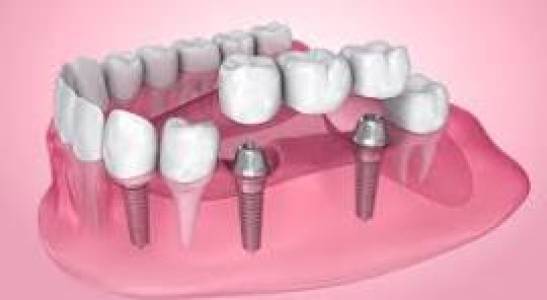
- Tooth Replacement Options: Extraction is typically a last resort. We will discuss options for replacing the extracted tooth, such as dental implants, bridges, or dentures, to maintain your bite, prevent shifting of adjacent teeth, and restore aesthetics.
- Potential Risks: As with any surgical procedure, there are potential risks, including infection, temporary numbness, nerve damage (rare), dry socket, and damage to adjacent teeth. Our team will discuss these with you thoroughly.
Take the First Step Towards Relief:
Don't let dental pain or discomfort dictate your life. If you suspect you may need a tooth extraction or are experiencing dental pain, contact us today to schedule a comprehensive consultation. Our compassionate team is here to provide you with expert care and guide you through every step of the process towards a healthier, pain-free smile.
Call Us Today at [Your Phone Number] or Visit [Your Website] to Learn More.