Description
Here is a detailed product description for "Root Canal" in Markdown format, designed to be informative, reassuring, and dispelling common myths.
Root Canal Therapy: Restore Health, Save Your Natural Tooth
Preserve Your Smile & Eliminate Pain with Modern Endodontic Treatment
Experiencing persistent tooth pain, sensitivity, or swelling? A root canal, also known as endodontic treatment, is a highly effective and common dental procedure designed to save a tooth that has become infected or severely inflamed within its pulp (the soft tissue inside the tooth containing nerves and blood vessels).
Far from the outdated perceptions of excruciating pain, modern root canal therapy is performed with advanced techniques and anesthesia, making it a comfortable and virtually pain-free experience focused on relieving your discomfort and preserving your natural dentition.
What is a Root Canal?
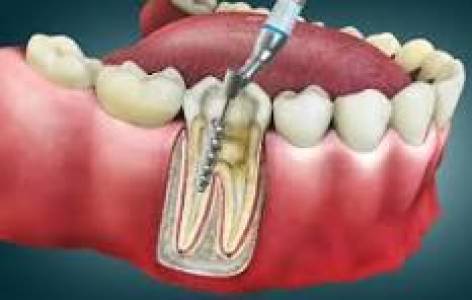
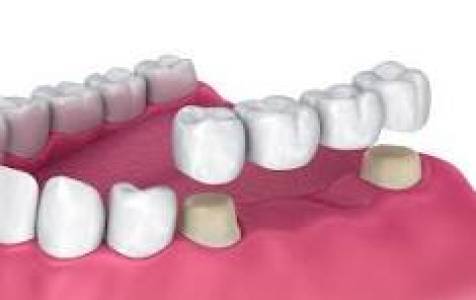
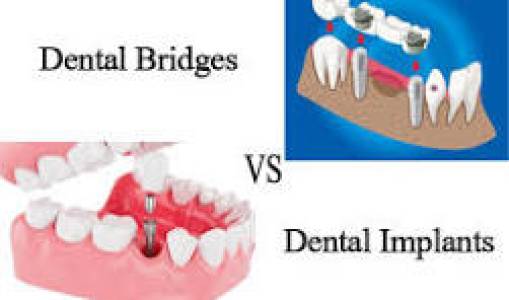
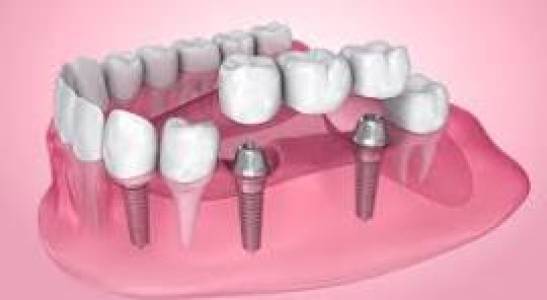
A root canal is a specialized dental procedure that involves carefully removing the infected or inflamed pulp from inside a tooth, cleaning and shaping the root canals, and then filling and sealing the space to prevent future infection. This treatment allows you to keep your natural tooth, avoiding the need for extraction and subsequent replacement options like implants or bridges.
Key Benefits of Root Canal Therapy:
- Pain Relief: Effectively eliminates severe tooth pain caused by infection or inflammation.
- Save Your Natural Tooth: The primary benefit, preserving your original tooth structure and avoiding extraction.
- Prevent Spread of Infection: Stops infection from spreading to surrounding teeth, gums, and bone.
- Maintain Natural Appearance: Keeps your natural smile intact.
- Maintain Normal Chewing & Biting: Allows you to continue eating your favorite foods without discomfort.
- Cost-Effective Long-Term: Often more economical than tooth extraction followed by a bridge or dental implant.
- Prevent Bone Loss: Helps maintain the integrity of your jawbone by preventing the loss that can occur after an extraction.
When is a Root Canal Needed? (Common Indications)
You may need a root canal if you experience:
- Severe Toothache: Persistent pain, especially when chewing or applying pressure.
- Prolonged Sensitivity: Sensitivity to hot or cold temperatures that lingers even after the stimulus is removed.
- Swollen Gums: Tenderness and swelling in the gums around the affected tooth.
- Pimple on the Gums: A recurring or persistent "pimple" (fistula) on the gums, indicating an infection trying to drain.
- Tooth Discoloration: Darkening of the tooth, which can signify nerve damage.
- Deep Decay or Trauma: A large cavity, crack, or chip that has reached the pulp, or previous dental work that has irritated the pulp.
The Root Canal Procedure: What to Expect
Root canal treatment is typically performed in one or two appointments, depending on the complexity of the case.
- Diagnosis & Anesthesia:
- Your dentist will examine your tooth, take X-rays, and discuss your symptoms.
- Local anesthetic is administered to numb the tooth and surrounding area, ensuring a pain-free experience.
- Access Opening:
- A small opening is created in the crown of the tooth to access the pulp chamber and root canals.
- Pulp Removal & Cleaning:
- The infected or inflamed pulp is carefully removed using tiny instruments.
- The root canals are thoroughly cleaned, disinfected, and shaped to prepare them for filling.
- Filling & Sealing:
- The cleaned root canals are filled with a biocompatible, rubber-like material called gutta-percha, often combined with an adhesive cement, to completely seal the canals.
- Temporary Filling:
- A temporary filling is placed in the access opening to protect the tooth until the final restoration.
- Final Restoration:
- In most cases, a dental crown is placed over the treated tooth to protect it from fracture, restore its strength, and return it to full function. This is typically done in a separate appointment.
Post-Treatment Care & Longevity
After your root canal, it's normal to experience some mild sensitivity or discomfort for a few days, which can be managed with over-the-counter pain relievers.
- Avoid chewing on the treated tooth until your final restoration (crown) is in place.
- Maintain excellent oral hygiene with regular brushing and flossing.
- Attend routine dental check-ups and cleanings.
With proper care and a protective crown, a tooth treated with a root canal can last a lifetime, functioning just like any other natural tooth.
Dispelling Common Myths About Root Canals:
- Myth: Root canals are extremely painful.
- Reality: Modern root canal treatment aims to relieve pain, not cause it. With effective anesthesia, the procedure is no more uncomfortable than a routine filling.
- Myth: It's better to just extract a diseased tooth.
- Reality: Saving your natural tooth is almost always the best option. Nothing can fully replace the function and aesthetics of your own tooth.
- Myth: Root canals cause other illnesses.
- Reality: There is no scientific evidence to support this claim. This myth originated from flawed research in the early 20th century and has been widely debunked.
Who Performs Root Canals?
While many general dentists perform root canal therapy, complex cases, those involving very narrow or curved canals, or retreated teeth are often referred to an endodontist – a dental specialist with advanced training in root canal procedures.
Your Path to a Healthy, Pain-Free Smile
Don't let fear or misinformation prevent you from receiving the treatment you need. If you're experiencing symptoms that suggest a potential pulp infection, prompt evaluation is crucial to save your tooth and prevent further complications.
Take the first step towards a healthier, pain-free mouth.
Call to Action:
Schedule a consultation with your dentist today to discuss if root canal therapy is the right solution for you.
Disclaimer:
This product description provides general information about root canal therapy and is not a substitute for professional medical or dental advice. Individual treatment plans and outcomes may vary. Always consult with a qualified dental professional to discuss your specific condition and treatment options.