Description
Okay, here is a detailed product description for Dental Fillings in Markdown format, suitable for a dental practice's website or patient information portal.
Restore Your Smile & Health with Advanced Dental Fillings
Protect, Preserve, and Perfect Your Teeth
At [Your Clinic Name], we understand that maintaining a healthy, beautiful smile is essential. Dental fillings are a cornerstone of restorative dentistry, effectively addressing tooth decay, cracks, and damage to protect your natural teeth and prevent further issues. We offer a range of advanced filling materials, meticulously chosen to restore the strength, function, and aesthetics of your smile.
What are Dental Fillings?
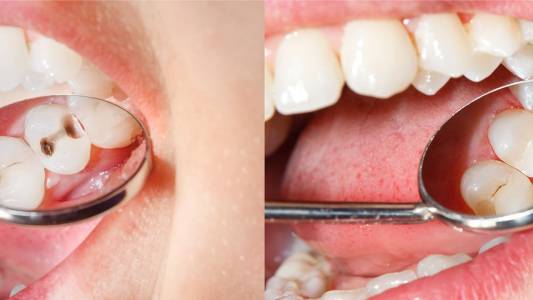
A dental filling is a restorative treatment used to repair a tooth damaged by decay (a cavity) or minor fractures. The procedure involves removing the decayed or damaged portion of the tooth, cleaning the affected area, and then filling the space with a chosen material. This process seals the tooth, preventing bacteria from re-entering and halting the progression of decay, while restoring the tooth's original shape and function.
Why Might You Need a Dental Filling?
You might need a dental filling if you experience:
- Tooth Decay (Cavities): The most common reason, where bacteria create holes in the enamel.
- Cracked or Fractured Teeth: Resulting from trauma, teeth grinding (bruxism), or large, old fillings.
- Worn Teeth: Due to grinding, clenching, or acidic erosion.
- Sensitivity: Often a sign of exposed dentin due to decay or wear.
- Replacement of Old Fillings: When existing fillings are fractured, leaky, or failing.
Types of Dental Fillings We Offer
We provide a variety of filling materials, each with unique benefits. Your dentist will discuss the best option for your specific needs, considering the location of the filling, the extent of decay, your aesthetic preferences, and your budget.
1. Composite Resin Fillings (Tooth-Colored)
- Description: Made from a mixture of plastic and finely ground glass particles, these fillings are designed to match the natural color of your teeth, making them virtually invisible.
- Pros:
- Aesthetic Appeal: Blends seamlessly with your natural tooth structure.
- Versatile: Can be used for small to moderate-sized fillings, and can also repair chipped, broken, or worn teeth.
- Minimally Invasive: Requires less removal of healthy tooth structure compared to amalgam.
- Bonding: Chemically bonds to the tooth, providing additional support and preventing future leakage.
- Cons:
- Durability: May not be as durable as amalgam or gold for very large fillings or in high-stress areas (e.g., molars).
- Staining: Can stain over time from coffee, tea, or tobacco, similar to natural teeth.
- Cost: Generally more expensive than amalgam fillings.
- Best For: Front teeth, visible areas, patients seeking a natural appearance, and those with allergies to metal.
2. Amalgam Fillings (Silver Fillings)
- Description: A durable and time-tested material composed of a mixture of metals, including silver, tin, copper, and mercury.
- Pros:
- Strength & Durability: Exceptionally strong and can last for many years, even decades.
- Cost-Effective: Generally the most affordable filling option.
- Placement: Can be placed quickly and efficiently.
- Cons:
- Aesthetics: The metallic silver color is noticeable, especially in visible areas.
- Tooth Structure Removal: Requires removal of more healthy tooth structure to create mechanical retention.
- Temperature Sensitivity: Can expand and contract with temperature changes, potentially leading to tooth fractures over time.
- Mercury Content: While the American Dental Association (ADA) considers amalgam fillings safe, some patients prefer mercury-free options.
- Best For: Back teeth (molars) where strength and durability are paramount and aesthetic concerns are minimal.
3. Gold Fillings (Inlays/Onlays)
- Description: Made from a gold alloy, these custom-made fillings are fabricated in a dental lab and then cemented into place. Often used as inlays (fitting within the cusps of a tooth) or onlays (covering one or more cusps).
- Pros:
- Superior Durability: Extremely long-lasting (can last 15-20 years or more) and resistant to wear and corrosion.
- Strength: Very strong and can withstand heavy chewing forces.
- Biocompatibility: Well-tolerated by gum tissues.
- Precision Fit: Custom-made for an excellent fit.
- Cons:
- Aesthetics: The gold color is distinct and not natural-looking.
- Cost: The most expensive filling option due to material cost and laboratory fabrication.
- Multiple Visits: Requires at least two appointments for preparation and placement.
- Best For: Patients seeking the ultimate in durability and longevity, particularly for larger restorations in back teeth, and those not concerned with the gold aesthetic.
4. Ceramic/Porcelain Fillings (Inlays/Onlays)
- Description: Similar to gold inlays/onlays, these are custom-made restorations (often from porcelain or lithium disilicate) that are bonded to the tooth.
- Pros:
- Excellent Aesthetics: Can perfectly match tooth color and translucency, offering superior natural appearance.
- Durability: Very strong and resistant to staining and abrasion.
- Biocompatibility: Gentle on gum tissues.
- Precision Fit: Custom-made for optimal fit and function.
- Cons:
- Cost: Comparable to gold fillings, making them one of the more expensive options.
- Brittleness: While strong, they can be more brittle than composite or amalgam and may chip or fracture under extreme pressure.
- Multiple Visits: Requires at least two appointments.
- Best For: Patients desiring both exceptional aesthetics and high durability, particularly for larger restorations in visible areas, or as an alternative to crowns for less extensive damage.
The Dental Filling Procedure
- Numbing: The area around the tooth will be numbed with local anesthetic to ensure your comfort.
- Decay Removal: The decayed or damaged tooth structure is carefully removed using specialized dental instruments.
- Preparation: The tooth is then shaped and cleaned to prepare it for the chosen filling material.
- Filling Placement:
- For composite fillings, the material is applied in layers, hardened with a special light, and then shaped and polished.
- For amalgam fillings, the material is mixed and immediately packed into the prepared cavity, then shaped and allowed to set.
- For gold or ceramic inlays/onlays, an impression is taken, and a temporary filling is placed. You'll return for a second visit once the custom restoration is fabricated and then cemented into place.
- Finishing Touches: The filling is adjusted to ensure your bite is comfortable and then polished for a smooth finish.
Benefits of Choosing Dental Fillings
- Stops Decay: Prevents further bacterial invasion and tooth damage.
- Restores Function: Allows you to chew and speak comfortably and effectively.
- Eliminates Pain & Sensitivity: Addresses the root cause of discomfort.
- Preserves Natural Tooth Structure: Avoids the need for more extensive treatments like crowns or extractions.
- Improves Aesthetics: Tooth-colored options enhance the beauty of your smile.
- Long-Lasting: With proper care, fillings can last for many years.
Aftercare & Maintenance
To maximize the lifespan of your new filling and maintain optimal oral health:
- Avoid chewing on the filled tooth immediately after treatment (especially with amalgam fillings, which take longer to fully harden).
- Practice excellent oral hygiene: Brush twice daily and floss once daily.
- Limit sugary and acidic foods/drinks that contribute to decay.
- Attend regular dental check-ups and cleanings at [Your Clinic Name].
- Report any sensitivity, pain, or changes in your filling immediately to our office.
Schedule Your Consultation Today!
Don't let tooth decay or damage compromise your oral health and confidence. Our experienced team at [Your Clinic Name] is dedicated to providing high-quality, comfortable dental care. We will help you choose the best dental filling solution to restore the health, beauty, and function of your smile.
Contact us today at [Your Phone Number] or visit our website at [Your Website] to schedule your appointment!
Disclaimer: The information provided here is for general educational purposes only and does not constitute medical advice. Please consult with a qualified dental professional at [Your Clinic Name] to discuss your specific condition and treatment options.