Description
Root Canal Therapy (Endodontic Treatment)
Save Your Natural Tooth, Relieve Your Pain, Restore Your Smile!
Root Canal Therapy, also known as Endodontic Treatment, is a highly effective and common dental procedure designed to save a tooth that has become infected or severely damaged. Far from being a painful ordeal, modern root canal therapy is typically pain-relieving and allows you to keep your natural tooth, preventing the need for extraction and maintaining your overall oral health.
What is Root Canal Therapy?
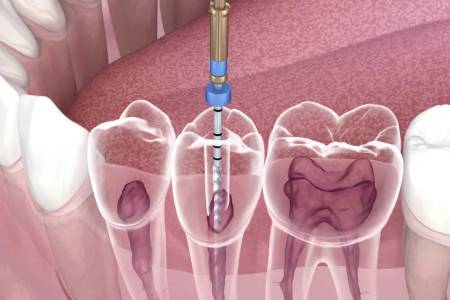
Inside every tooth, beneath the hard enamel and dentin layers, is a soft tissue called the pulp. This pulp contains nerves, blood vessels, and connective tissue, extending from the crown of the tooth down to the root tips. When the pulp becomes infected or inflamed due to deep decay, repeated dental procedures, cracks in the tooth, or trauma, it can cause severe pain and lead to an abscess if left untreated.
Root Canal Therapy involves carefully removing the infected or inflamed pulp, cleaning and shaping the inside of the root canal system, and then filling and sealing the space. This process eliminates the infection, relieves pain, and protects the tooth from future microbial invasion.
Key Features & Benefits:
- Effective Pain Relief: The primary benefit is the elimination of the intense pain caused by an infected tooth.
- Preserves Natural Tooth: Prevents the need for tooth extraction, allowing you to keep your original tooth structure.
- Prevents Infection Spread: Stops the infection from spreading to other teeth, gums, or even into the jawbone.
- Maintains Oral Health: Keeps your natural bite, chewing ability, and speech intact, preventing adjacent teeth from shifting.
- High Success Rate: With modern techniques and materials, root canal therapy boasts a very high success rate.
- Comfortable Procedure: Performed under local anesthesia, the procedure itself is often no more uncomfortable than receiving a filling.
- Aesthetically Pleasing: Once restored with a crown or filling, the treated tooth will look and function like a natural tooth.
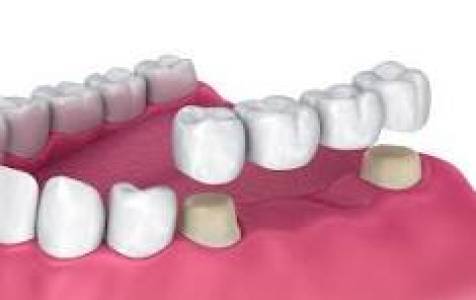
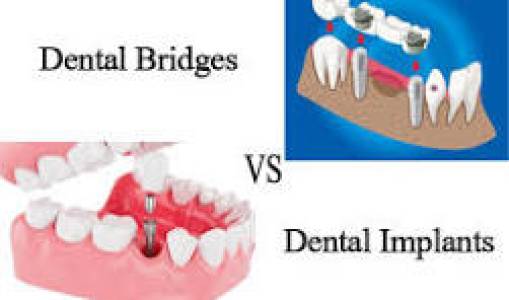
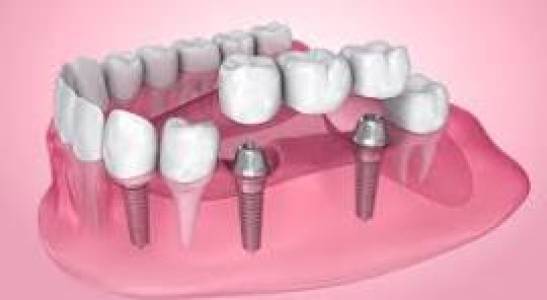
- Cost-Effective: Often a more economical long-term solution compared to tooth extraction followed by a bridge or dental implant.
When is Root Canal Therapy Needed? (Indications)
You may require root canal therapy if you experience any of the following symptoms:
- Severe Toothache: Especially pain that is persistent, throbbing, or worsens when lying down.
- Prolonged Sensitivity: Lingering pain after exposure to hot or cold temperatures, even after the source is removed.
- Tenderness to Touch and Chewing: Pain when biting down or touching the tooth.
- Swelling: Swelling or tenderness in the surrounding gums, lymph nodes, or even the face.
- Pimple-Like Bump (Fistula): A small bump on the gums near the affected tooth, which may intermittently release pus.
- Tooth Discoloration: Darkening or grayish discoloration of the tooth.
- Deep Decay or Injury: X-rays may reveal deep decay reaching the pulp, or damage due to trauma (e.g., a crack or chip extending into the pulp).
The Root Canal Therapy Process: What to Expect
The procedure typically involves one or two appointments and is performed with utmost care and precision:
- Diagnosis & Anesthesia:
- Your dentist will thoroughly examine your tooth, take X-rays, and perform diagnostic tests to confirm the pulp's condition and the extent of the infection.
- Local anesthesia will be administered to numb the affected tooth and surrounding area, ensuring a pain-free experience.
- Isolation:
- A rubber dam is placed around the tooth to isolate it from the rest of your mouth, keeping the area sterile and preventing saliva from contaminating the tooth during the procedure.
- Access Opening:
- A small opening is created in the crown of the tooth to access the pulp chamber and root canals.
- Pulp Removal & Cleaning:
- Tiny instruments are used to carefully remove the infected or inflamed pulp tissue from the pulp chamber and root canals.
- The canals are then meticulously cleaned and shaped to prepare them for filling, using specialized antibacterial solutions to eliminate bacteria.
- Filling (Obturation):
- Once cleaned and dried, the canals are filled with a biocompatible, rubber-like material called gutta-percha, usually sealed in place with an adhesive cement. This completely fills the canal space, preventing reinfection.
- Temporary Filling:
- A temporary filling is placed in the access opening to seal the tooth until a permanent restoration can be applied.
- Permanent Restoration (Crown or Filling):
- In a subsequent appointment, the temporary filling is removed, and the tooth is fully restored with a permanent filling or, more commonly, a dental crown. A crown provides strength and protection to the treated tooth, which can become brittle after root canal therapy.
Aftercare & Recovery:
- Mild Discomfort: It's normal to experience some mild tenderness or sensitivity for a few days after the procedure, especially when chewing. This can usually be managed with over-the-counter pain relievers (like ibuprofen or acetaminophen).
- Avoid Chewing: Avoid chewing on the treated tooth until your permanent restoration (crown or filling) is placed to prevent damaging the tooth.
- Good Oral Hygiene: Continue your regular brushing and flossing routine.
- Follow-Up: Attend your follow-up appointment for the placement of your permanent crown or filling, which is crucial for the long-term success and protection of the treated tooth.
Why Choose Root Canal Therapy?
Choosing root canal therapy means opting to preserve your natural smile, maintain proper chewing function, and prevent the cascade of problems that can arise from tooth loss, such as shifting teeth, bone loss, and changes in facial structure. It's a testament to modern dentistry's ability to save teeth that would otherwise be lost.
Ready to Discuss Your Options?
Don't let dental pain dictate your life. If you are experiencing symptoms of a compromised tooth, delaying treatment can lead to more severe issues, including further infection, bone loss, and eventual tooth extraction.
Contact us today for a comprehensive examination and to discuss if Root Canal Therapy is the right solution for you. We are here to answer your questions and provide compassionate, expert care.
Frequently Asked Questions (FAQs):
- Is root canal therapy painful?
- No, with modern anesthetics and techniques, the procedure itself is typically painless and designed to relieve pain. Any discomfort felt afterward is usually mild and manageable.
- How long does a root canal take?
- Most root canal treatments can be completed in one or two appointments, each lasting between 60 to 90 minutes, depending on the tooth's complexity and the extent of the infection.
- What happens if I don't get a root canal?
- If left untreated, the infection will spread, potentially leading to a painful abscess, bone loss, and the eventual need for tooth extraction.
- How long will a treated tooth last?
- With proper care, good oral hygiene, and a permanent restoration (like a crown), a tooth treated with root canal therapy can last a lifetime.
- Do I always need a crown after a root canal?
- While not always immediately, a crown is highly recommended for most teeth after root canal therapy, especially back teeth that endure heavy chewing forces. It provides crucial protection against fractures and ensures the long-term success of the treatment.
Disclaimer: The information provided here is for general educational purposes only and does not constitute medical advice. Individual cases may vary, and a professional dental consultation is essential for accurate diagnosis and personalized treatment recommendations.