Description
Here is a detailed product description for Root Canal Therapy, formatted in Markdown:
Root Canal Therapy: Preserve Your Smile, End Your Pain
Overview
Root Canal Therapy (RCT) is a highly effective and common dental procedure designed to save a tooth that is severely decayed, infected, or damaged. Often misunderstood, RCT is not a painful treatment, but rather the solution that relieves intense tooth pain and prevents the need for tooth extraction. By addressing the infected pulp deep within your tooth, we help you preserve your natural smile, maintain proper chewing function, and avoid further complications.
Key Benefits of Root Canal Therapy
Choosing Root Canal Therapy offers numerous advantages for your oral health and overall well-being:
- Immediate Pain Relief: Eliminates the excruciating pain caused by infected or inflamed tooth pulp.
- Tooth Preservation: Saves your natural tooth, preventing the need for extraction and the subsequent issues associated with a missing tooth (e.g., bone loss, shifting teeth).
- Stops Infection Spread: Clears infection from within the tooth, preventing it from spreading to other teeth, gums, or even into the bloodstream.
- Restored Chewing Function: Once restored with a crown, the treated tooth can function normally, allowing you to eat your favorite foods without discomfort.
- Maintains Natural Appearance: A properly treated and crowned tooth looks and feels like your natural teeth, blending seamlessly with your smile.
- Cost-Effective Long-Term: While an initial investment, saving your natural tooth can be more cost-effective than replacing it with an implant, bridge, or partial denture over the long run.
- Prevents Bone Loss: Maintaining your natural tooth root helps preserve the jawbone structure, preventing the bone loss that often accompanies tooth extraction.
Indications: When is a Root Canal Needed?
You might be a candidate for Root Canal Therapy if you experience any of the following symptoms or conditions:
- Persistent or Severe Toothache: Especially when chewing or applying pressure.
- Prolonged Sensitivity: To hot or cold temperatures, even after the source has been removed.
- Swelling or Tenderness: In the gums surrounding the affected tooth.
- Pimples on the Gums (Fistula): Indicating an abscess.
- Discoloration of the Tooth: The tooth may darken due to internal damage.
- Deep Decay: That has reached the pulp chamber.
- Cracked or Chipped Tooth: Allowing bacteria to reach the pulp.
- Trauma to the Tooth: Even without visible cracks, trauma can damage the pulp.
The Procedure: What to Expect
Root Canal Therapy is typically performed over one or two appointments, followed by a final restoration. Here’s a general outline of the process:
- Diagnosis & Anesthesia:
- Your dentist will take X-rays and conduct a thorough examination to confirm the diagnosis and plan the treatment.
- Local anesthesia will be administered to numb the affected tooth and surrounding area, ensuring a pain-free experience.
- Access Opening:
- A small opening is created in the crown of the tooth to access the pulp chamber and root canals.
- Cleaning & Shaping:
- Tiny instruments are used to carefully remove the infected or inflamed pulp, nerve tissue, and bacteria from inside the root canals.
- The canals are then cleaned, disinfected, and shaped to prepare them for filling.
- Filling the Canals:
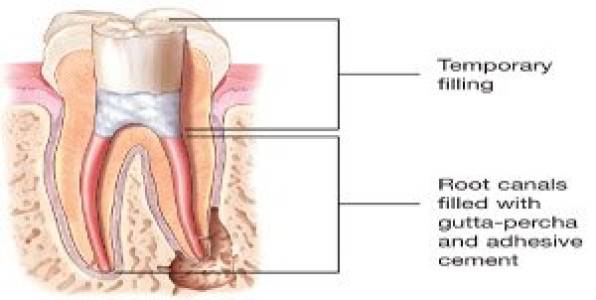
- The cleaned and shaped canals are filled with a biocompatible, rubber-like material called gutta-percha. This material is sealed into place with an adhesive cement to prevent reinfection.
- Temporary Filling/Restoration:
- A temporary filling is placed in the access opening to protect the tooth until the permanent restoration (usually a crown) is placed.
- Final Restoration (Crown):
- In most cases, a dental crown is essential after a root canal. This permanent restoration provides strength, protects the treated tooth from future fractures, and restores its natural appearance and function. This step typically occurs a few weeks after the initial root canal.
Aftercare & Recovery
Following your root canal, it's normal to experience some mild sensitivity or discomfort for a few days, which can usually be managed with over-the-counter pain relievers.
- Avoid chewing on the treated tooth until your permanent crown is placed.
- Practice good oral hygiene by brushing and flossing regularly.
- Attend all follow-up appointments to ensure proper healing and the placement of your final restoration.
- With proper care, your treated tooth can last a lifetime!
Why Choose Root Canal Therapy Over Extraction?
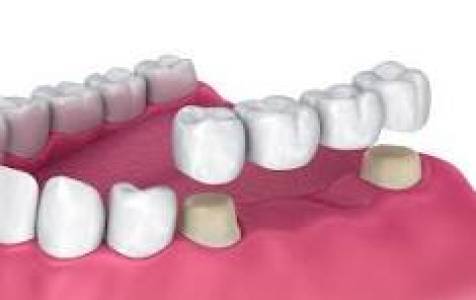
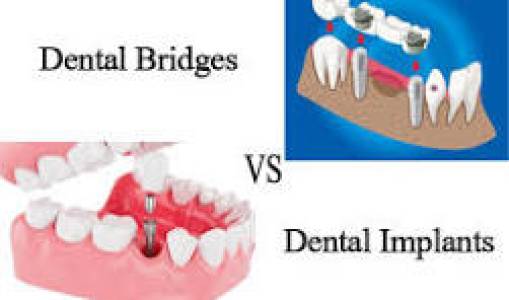
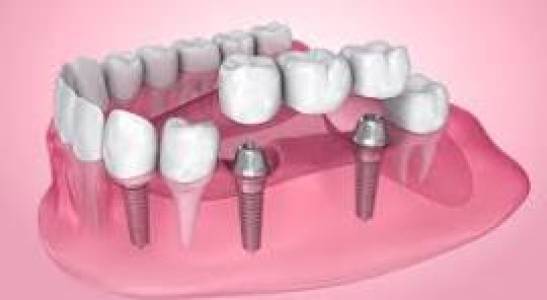
While extraction might seem like a quicker fix, saving your natural tooth with Root Canal Therapy is almost always the preferred option. Preserving your natural tooth helps maintain your bite, prevents adjacent teeth from shifting, and avoids the additional costs and procedures associated with replacing a missing tooth (such as bridges or dental implants).
Addressing Common Concerns
Is Root Canal Therapy Painful?
A common misconception! With modern anesthetics and techniques, a root canal procedure is no more uncomfortable than getting a filling. The procedure itself relieves the pain caused by the infection, rather than creating it.
How Long Does a Root Canal Last?
With proper restoration and good oral hygiene, a treated tooth can last a lifetime. Regular dental check-ups are crucial for monitoring its health.
How Many Appointments Are Needed?
Most root canals are completed in one or two appointments, not including the appointment for the final crown placement. The exact number depends on the complexity of the case.
What Happens If I Don't Get a Root Canal?
Delaying treatment for an infected tooth can lead to severe complications, including:
- Spread of infection to other areas of your face, neck, or brain.
- Formation of an abscess (pus-filled pocket).
- Bone loss around the tip of the tooth root.
- Eventually, the tooth will need to be extracted.
Ready to Find Relief?
If you are experiencing tooth pain or have been advised to consider Root Canal Therapy, don't delay. Contact us today for a consultation. Our experienced team is dedicated to providing comfortable, effective treatment to help you regain your oral health and restore your vibrant smile.