Description
Here's a detailed product description for Root Canal Therapy, formatted in Markdown:
Root Canal Therapy: Save Your Smile, End the Pain
Are you experiencing persistent toothache, sensitivity to hot or cold, or tenderness when chewing? These could be signs of an infected or inflamed tooth pulp – a condition that, if left untreated, can lead to severe pain, abscess formation, and even tooth loss.
At [Your Clinic Name], our compassionate and highly skilled dental team offers advanced Root Canal Therapy (also known as Endodontic Treatment) to effectively treat these conditions, preserve your natural tooth, and restore your comfort and oral health.
What is Root Canal Therapy?
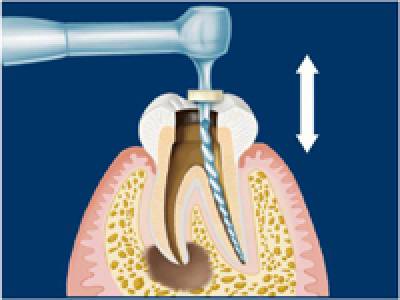
Root Canal Therapy is a sophisticated dental procedure designed to remove infected or damaged pulp (the soft tissue inside your tooth containing nerves, blood vessels, and connective tissue). Once the diseased pulp is removed, the inside of the tooth is carefully cleaned, disinfected, shaped, and then filled with a biocompatible material to prevent future infection. Finally, the tooth is sealed, typically with a crown, to protect it and restore its full function.
Key Benefits of Root Canal Therapy
Opting for a root canal offers numerous advantages beyond just pain relief:
- Eliminates Pain: The primary benefit is the immediate and long-term relief from the excruciating pain associated with an infected tooth.
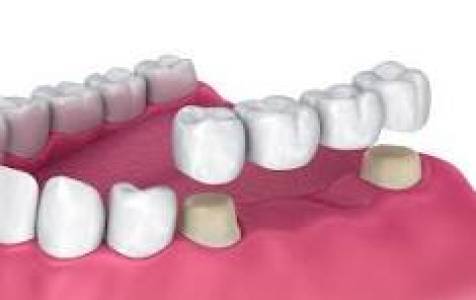
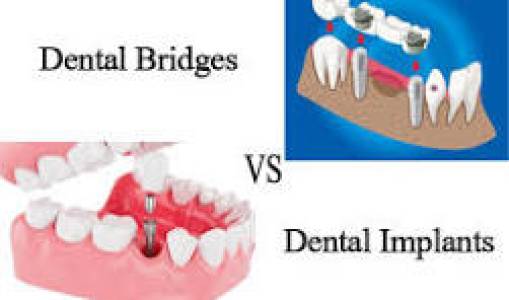
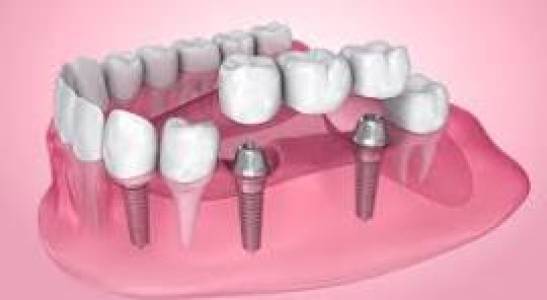
- Saves Your Natural Tooth: It's a tooth-saving procedure, preventing the need for extraction and the subsequent complications or costs of artificial tooth replacement (implants, bridges).
- Prevents Spread of Infection: Stops the infection from spreading to other teeth, gums, and even into your jawbone or bloodstream.
- Restores Chewing Function: Allows you to chew normally and comfortably on the treated tooth, restoring your dietary freedom.
- Maintains Natural Appearance: Keeps your natural smile intact, preventing shifts in alignment that can occur with a missing tooth.
- Cost-Effective: Often more economical in the long run than extracting a tooth and replacing it with an artificial one.
When is Root Canal Therapy Needed?
You might be a candidate for root canal therapy if you experience any of the following symptoms:
- Persistent Toothache: Ranging from mild to severe, often throbbing, and worsening at night.
- Extreme Sensitivity: Prolonged sensitivity to hot or cold temperatures, even after the source is removed.
- Swelling and Tenderness: Swelling in the gums around the affected tooth, or tenderness when touching the tooth or surrounding gums.
- Pimple-Like Bumps: A persistent or recurring "pimple" on the gums near the problematic tooth (indicating an abscess).
- Discoloration of the Tooth: Darkening or graying of the tooth, indicating nerve damage.
- Pain When Chewing or Biting: Discomfort or sharp pain when putting pressure on the tooth.
The Procedure: What to Expect
Our priority is your comfort and a successful outcome. Here’s a general overview of the root canal process at [Your Clinic Name]:
- Diagnosis & Anesthesia: We begin with a thorough examination, including X-rays, to confirm the diagnosis. Local anesthesia is then administered to numb the tooth and surrounding area, ensuring a pain-free experience during the procedure. Sedation options are also available for anxious patients.
- Access Opening: A small opening is made in the crown of the tooth to access the pulp chamber and root canals.
- Pulp Removal & Cleaning: The infected or inflamed pulp is carefully removed from the root canals using specialized instruments. The canals are then thoroughly cleaned, disinfected, and shaped to prepare them for filling.
- Filling the Canals: The cleaned and shaped canals are filled with a biocompatible, rubber-like material called gutta-percha, which helps seal the canals and prevent re-infection.
- Sealing the Tooth: A temporary filling is placed in the access opening. In some cases, a post may be inserted into the root canal for structural support.
- Final Restoration (Crown): During a follow-up visit, a permanent restoration, typically a dental crown, is placed over the treated tooth. The crown protects the weakened tooth from future fractures and restores its full strength and aesthetics.
Why Choose Our Clinic for Your Root Canal?
- Experienced Endodontic Care: Our dentists are highly trained and experienced in advanced root canal techniques, ensuring precise and effective treatment.
- Advanced Technology: We utilize state-of-the-art equipment, including digital X-rays, rotary endodontic instruments, and sometimes surgical microscopes, for enhanced accuracy and efficiency.
- Patient Comfort Focus: We prioritize your comfort with gentle techniques, local anesthesia, and various sedation options to help you relax throughout the procedure.
- Personalized Treatment Plans: Every patient is unique. We provide tailored treatment plans, thoroughly explaining each step and answering all your questions.
- Comprehensive Aftercare: We provide detailed post-treatment instructions and support to ensure a smooth recovery and the long-term success of your root canal.
Post-Treatment Care
Following your root canal, it's normal to experience some mild sensitivity or discomfort for a few days, which can typically be managed with over-the-counter pain relievers. We'll provide specific instructions, which may include:
- Avoiding chewing on the treated tooth until your permanent crown is placed.
- Practicing good oral hygiene: brushing and flossing regularly.
- Attending your follow-up appointment for permanent restoration (crown or filling).
- Contacting us immediately if you experience severe pain, swelling, or loss of the temporary filling.
Schedule Your Consultation
Don't let tooth pain dictate your life. If you suspect you may need a root canal, contact [Your Clinic Name] today. Our team is ready to provide an accurate diagnosis and discuss your treatment options to help you achieve a healthy, pain-free smile.
Call us now at [Phone Number] or visit our website at [Website] to book your consultation!
Disclaimer: This product description is for informational purposes only and does not constitute medical advice. Individual results may vary. Always consult with a qualified dental professional for diagnosis and treatment recommendations.