Description
Dental Crowns: Restore Your Smile's Strength & Beauty
Are you struggling with a damaged, weakened, or unsightly tooth? A dental crown might be the perfect solution to restore its function, protect its integrity, and enhance its appearance. At [Your Clinic Name], we specialize in providing custom-crafted dental crowns that seamlessly blend with your natural smile, giving you renewed confidence and lasting oral health.
What Are Dental Crowns?
A dental crown, often referred to as a "cap," is a custom-made restoration that completely covers the entire visible portion of a damaged or weakened tooth above the gum line. Its primary purpose is to restore the tooth's original shape, size, strength, and improve its overall appearance. Once cemented into place, a crown fully encases the tooth, protecting it from further decay or damage.
When Do You Need a Dental Crown?
Dental crowns are a versatile solution recommended for a variety of dental issues, including:
- Protecting a weak tooth: To prevent it from breaking or to hold parts of a cracked tooth together.
- Restoring a broken or severely worn tooth: Rebuilding its structure and strength.
- Covering and supporting a tooth with a large filling: Especially when there isn't much natural tooth structure remaining.
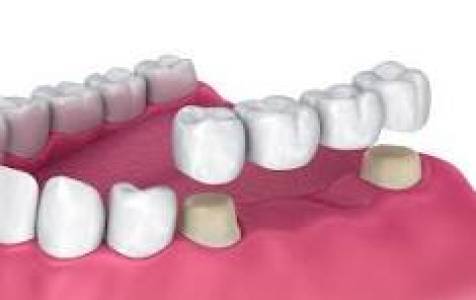
- Holding a dental bridge in place: Crowns serve as anchors for bridges, supporting artificial teeth.
- Covering misshapen or severely discolored teeth: For cosmetic enhancement.
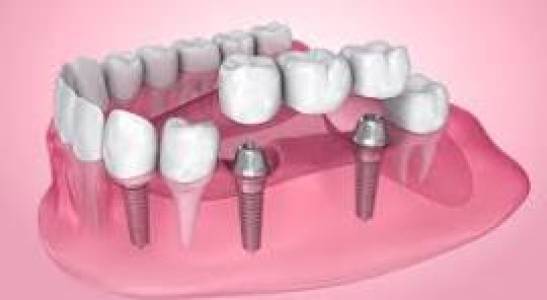
- Covering a dental implant: To provide a natural-looking and functional tooth replacement.
- After a root canal procedure: To protect the weakened, devitalized tooth from fracture.
Benefits of Dental Crowns
Choosing a dental crown offers a multitude of advantages for your oral health and aesthetics:
- Restored Strength & Function: A crown reinforces a weakened tooth, allowing you to chew and speak comfortably and effectively.
- Enhanced Aesthetics: Custom-matched to your natural tooth color, crowns blend seamlessly, improving the appearance of discolored, misshapen, or damaged teeth.
- Protection Against Further Damage: It acts as a shield, preventing cracks from worsening or protecting a fragile tooth from breaking.
- Long-Lasting Solution: With proper care, dental crowns can last for many years, providing a durable and reliable restoration.
- Improved Bite & Alignment: By restoring the correct tooth shape, crowns help maintain proper bite alignment and prevent shifting of adjacent teeth.
- Comfort: Once fitted, a crown feels like your natural tooth, restoring comfort and confidence.
Types of Dental Crowns
We offer a range of high-quality crown materials, each with unique benefits. Your dentist will help you choose the best option based on your specific needs, aesthetic preferences, and budget:
1. All-Porcelain / All-Ceramic Crowns
* **Description:** Made entirely of porcelain or ceramic material.
* **Benefits:** Offer the most natural appearance, excellent for front teeth, metal-free (ideal for patients with metal allergies).
* **Considerations:** Can be slightly less durable than metal or zirconia in high-stress areas.
2. Zirconia Crowns
* **Description:** Made from a strong, biocompatible ceramic material (zirconium dioxide).
* **Benefits:** Exceptional strength and durability, excellent aesthetics (can be tooth-colored), highly resistant to fracture, ideal for back teeth and patients who clench/grind.
* **Considerations:** Can be harder on opposing teeth if not polished correctly.
3. Porcelain Fused to Metal (PFM) Crowns
* **Description:** Feature a metal substructure with a layer of porcelain fused over it.
* **Benefits:** Offer a good balance of strength (from metal) and aesthetics (from porcelain), durable for both front and back teeth.
* **Considerations:** The metal substructure can sometimes show as a dark line at the gum line over time, especially if gum recession occurs.
4. Gold Alloy Crowns
* **Description:** Made from an alloy of gold, copper, and other metals.
* **Benefits:** Extremely strong and durable, highly biocompatible, gentle on opposing teeth, very long-lasting.
* **Considerations:** Metallic color is not aesthetically pleasing for visible teeth, higher material cost.
5. Base Metal Alloys Crowns
* **Description:** Made from non-noble metals (e.g., nickel or chromium alloys).
* **Benefits:** Very strong, corrosion-resistant, and gentle on opposing teeth.
* **Considerations:** Metallic appearance, some patients may have sensitivities.
The Dental Crown Procedure
Receiving a dental crown typically involves two appointments:
- First Appointment (Preparation & Impression):
- Anesthesia: The tooth and surrounding gum tissue will be numbed with local anesthetic.
- Tooth Preparation: Your dentist will carefully reshape the tooth, removing a small amount of enamel to create space for the crown.
- Impressions: A precise impression (mold) of your prepared tooth, as well as the opposing teeth, will be taken. This impression is sent to a dental lab where your custom crown will be fabricated.
- Temporary Crown: A temporary crown will be placed over your prepared tooth to protect it while your permanent crown is being made.
- Second Appointment (Crown Placement):
- Temporary Removal: The temporary crown is gently removed.
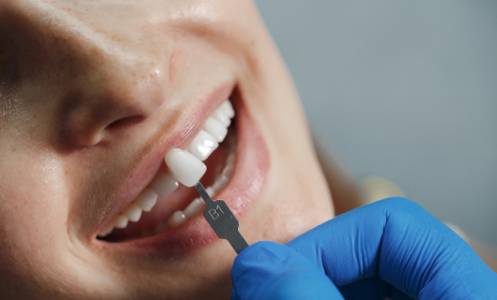
- Fit & Shade Check: Your permanent crown will be carefully tried on to ensure a perfect fit, proper bite, and desired shade match.
- Permanent Cementation: Once you and your dentist are satisfied, the crown will be permanently bonded to your tooth using a strong dental adhesive.
- Final Adjustments: Any final bite adjustments will be made to ensure maximum comfort.
Caring for Your Dental Crown
A dental crown requires the same excellent oral hygiene as your natural teeth to ensure its longevity:
- Brush Twice Daily: Use a soft-bristled toothbrush and fluoride toothpaste.
- Floss Daily: Pay special attention to the area around the gum line of your crown to prevent plaque buildup.
- Regular Dental Check-ups & Cleanings: Continue with your routine appointments to allow us to monitor your crown and overall oral health.
- Avoid Hard & Sticky Foods: While crowns are strong, excessive force from chewing ice, hard candies, or sticky caramels can potentially damage them.
- Address Bruxism (Teeth Grinding): If you grind or clench your teeth, especially at night, discuss a nightguard with your dentist to protect your crown and natural teeth.
Longevity & Durability
With proper care and good oral hygiene, dental crowns typically last between 5 to 15 years, and often much longer. The lifespan of your crown can depend on factors such as the material used, the biting forces it endures, and your ongoing dental habits.
Why Choose [Your Clinic Name] for Your Dental Crown?
At [Your Clinic Name], we are committed to providing you with the highest standard of dental care:
- Experienced & Skilled Dentists: Our team has extensive experience in precise crown preparation and placement.
- State-of-the-Art Technology: We utilize advanced diagnostic tools and techniques for accurate treatment planning and comfortable procedures.
- Premium Quality Materials: We partner with reputable dental labs using only the finest materials for durable and aesthetically pleasing crowns.
- Personalized Care: We take the time to understand your unique needs and concerns, developing a treatment plan tailored just for you.
- Comfort-Focused Environment: Your comfort is our priority. We strive to make every visit a positive and stress-free experience.
Schedule Your Consultation Today!
Don't let a damaged tooth compromise your smile or oral health any longer. Contact [Your Clinic Name] today at [Your Phone Number] or visit our website at [Your Website] to schedule your comprehensive consultation. Let us help you restore your smile's strength, beauty, and confidence with a custom dental crown!