Description
Dental Fillings: Restore, Protect, and Beautify Your Smile
Product Overview
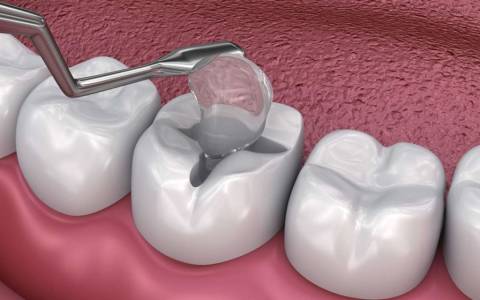
Dental fillings are essential restorative materials used to repair teeth damaged by decay (cavities), fractures, or wear. They restore the tooth's original shape, function, and aesthetics, preventing further damage and preserving your natural teeth. Our range of high-quality dental filling materials ensures durable, effective, and cosmetically pleasing solutions for a wide variety of oral health needs.
Why Choose Dental Fillings?
Dental fillings offer numerous advantages for maintaining optimal oral health:
- Halt Decay Progression: By removing infected tooth structure and sealing the area, fillings stop the spread of decay, preventing more extensive damage.
- Restore Tooth Structure: They rebuild the damaged part of the tooth, allowing it to withstand chewing forces effectively.
- Alleviate Pain & Sensitivity: Fillings protect exposed dentin and nerves, reducing sensitivity to hot, cold, or sweet stimuli, and eliminating pain caused by cavities.
- Improve Oral Function: Restored teeth allow for proper chewing and speaking, contributing to overall well-being.
- Enhance Aesthetics: With tooth-colored options, fillings can seamlessly blend with your natural teeth, improving the appearance of your smile.
- Prevent Further Damage: By restoring the tooth's integrity, fillings help prevent cracks, chips, and eventual tooth loss.
Key Features & Advantages
- Durable & Long-Lasting: Engineered for longevity, our filling materials are designed to withstand daily chewing forces for many years.
- Customizable Solutions: A variety of materials allows for personalized treatment plans based on the location of the filling, aesthetic preferences, and budget.
- Minimally Invasive: The procedure typically involves removing only the damaged portion of the tooth, preserving healthy tooth structure.
- Immediate Results: Most filling procedures are completed in a single visit, providing immediate relief and restoration.
- Biocompatible Materials: Our filling options are chosen for their safety and compatibility with the human body.
Types of Dental Filling Materials
We offer a comprehensive selection of filling materials, each with unique properties and benefits:
1. Composite Resin Fillings (Tooth-Colored)
- Material: A mixture of acrylic resin and finely ground glass-like particles.
- Aesthetics: Highly popular due to their ability to match the natural color of your teeth, making them virtually invisible.
- Bonding: Chemically bonds to the tooth structure, providing excellent support and reducing the risk of leakage.
- Versatility: Ideal for front teeth and visible areas, but also strong enough for many posterior (back) teeth.
- Ideal for: Small to medium-sized restorations, cosmetic enhancements, and patients seeking a metal-free option.
2. Amalgam Fillings (Silver Fillings)
- Material: An alloy of mercury, silver, tin, and copper.
- Durability: Extremely strong and highly resistant to wear, making them ideal for large restorations in the back teeth where chewing forces are greatest.
- Cost-Effective: Generally more affordable than other filling options.
- Visibility: Their silver appearance makes them more noticeable than tooth-colored fillings.
- Ideal for: Large cavities in molars, patients prioritizing durability and cost-effectiveness.
3. Porcelain / Ceramic Fillings (Inlays/Onlays)
- Material: Made from durable ceramic material, often fabricated in a dental lab.
- Aesthetics & Strength: Offer excellent aesthetics, closely mimicking natural tooth enamel, combined with superior strength.
- Custom-Made: Designed precisely to fit the prepared cavity, providing a highly accurate and durable restoration.
- Durability: More resistant to staining and abrasion than composite resin.
- Ideal for: Larger cavities that are too big for a standard filling but not extensive enough for a full crown, providing structural support to weakened teeth.
4. Glass Ionomer Cement (GIC) Fillings
- Material: A blend of acrylic and a specific type of glass material.
- Fluoride Release: Unique ability to release fluoride, which helps protect the surrounding tooth from further decay.
- Strength: Less durable than composite or amalgam, making them suitable for areas under less chewing pressure.
- Ideal for: Fillings near the gum line, children's primary teeth, and temporary restorations.
5. Gold Fillings (Inlays/Onlays - less common for direct fillings)
- Material: Gold alloy, often cast in a lab.
- Durability & Biocompatibility: Exceptionally strong, durable, and highly biocompatible with gum tissues.
- Cost: The most expensive filling option.
- Aesthetics: Highly visible due to their gold color.
- Ideal for: Patients seeking ultimate durability and are not concerned about the metallic appearance, often used for larger, indirect restorations.
The Filling Procedure (A Simplified Overview)
- Diagnosis: Your dentist will identify cavities or damaged areas through visual examination and X-rays.
- Anesthesia (Optional): Local anesthetic may be administered to numb the area, ensuring a comfortable experience.
- Decay Removal: The decayed or damaged tooth material is carefully removed using specialized dental instruments.
- Preparation: The cavity is cleaned and shaped to ensure a strong bond and proper fit for the filling material. For composite fillings, a bonding agent is applied.
- Filling Placement: The chosen filling material is applied to the cavity. For composite, it's layered and hardened with a special light. For amalgam, it's packed in. Inlays/Onlays are bonded in place after fabrication.
- Finishing: The filling is shaped, contoured, and polished to restore the natural anatomy of your tooth and ensure proper bite alignment.
Maintaining Your Fillings
To ensure the longevity of your dental fillings:
- Excellent Oral Hygiene: Brush twice daily with fluoride toothpaste and floss once a day to prevent new decay.
- Regular Dental Check-ups: Visit your dentist for routine examinations and cleanings, allowing for early detection of any issues.
- Avoid Hard Foods: Be mindful when chewing extremely hard foods (e.g., ice, hard candies) that could potentially chip or crack fillings.
- Address Grinding/Clenching: If you grind or clench your teeth (bruxism), discuss protective solutions like a nightguard with your dentist.
Who Needs Dental Fillings?
Individuals experiencing:
- Cavities: Visible holes or pits in the tooth enamel.
- Cracked or Chipped Teeth: Damage that compromises the tooth's structure.
- Worn Teeth: Erosion from grinding or acid, exposing dentin.
- Sensitivity: Persistent pain or discomfort when consuming hot, cold, or sweet foods/drinks.
- Dark Spots: Discoloration on the tooth surface that may indicate decay.
Consult Your Dentist
The choice of filling material and treatment plan is highly individualized, depending on the extent of decay, location of the tooth, aesthetic concerns, and patient budget.
Consult with your dentist today to determine the best solution for your oral health needs and achieve a healthy, functional, and beautiful smile.
Disclaimer
This product description is for informational purposes only and does not constitute medical advice. Always consult with a qualified dental professional for diagnosis and treatment recommendations for your specific condition.